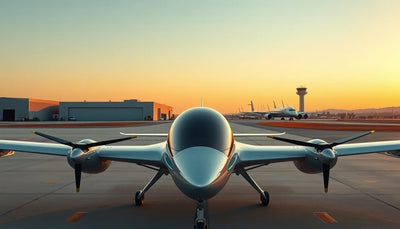
NATO Aumento del gasto en defensa: lo que significa para los compradores de drones
Los aliados de NATO están convirtiendo una promesa de gasto de mil millones de $50 en órdenes de compra reales. Este aumento de defensa podría restringir las cadenas de suministro de componentes de drones, afectando los precios de los drones DJI nuevos y usados. Los compradores de flotas deberían planificar con antelación.

Se está produciendo un cambio significativo en las adquisiciones de defensa global. Los aliados de NATO están pasando de una promesa de gasto de años de antigüedad a órdenes de compra concretas, y se estima que unos $50 mil millones fluirán hacia acciones de defensa. Para los operadores comerciales de drones y compradores de flotas, este desarrollo tiene implicaciones más allá del mercado de valores: indica un posible endurecimiento de las cadenas de suministro de los componentes, sensores y capacidad de fabricación que sustentan los sistemas no tripulados tanto militares como comerciales.
Un analista de defensa citado en el informe original ha desarrollado una prueba específica para distinguir entre las empresas que realmente obtendrán ingresos y las que simplemente aparecerán en los titulares. Vale la pena reflejar este enfoque disciplinado para los compradores de drones que evaluarán decisiones sobre equipos y servicios en los próximos meses.
Comprender la ola de mil millones de gasto en defensa $50
El material original destaca que los miembros de NATO han convertido un compromiso de gasto de larga data en órdenes de compra procesables. La asignación precisa de estos fondos sigue cambiando, pero los principales contratistas de defensa, como Northrop Grumman (ticker NOC), están en posición de beneficiarse. La prueba del analista se centra en si la cartera de pedidos y la capacidad de producción de una empresa pueden absorber el volumen adicional, una medida clave que separa el crecimiento real del bombo especulativo.
Industrial drone procurement
Source a brand-new industrial drone for this mission.
Discuss mission fit, aircraft model, quantities, configuration, pickup, and lifecycle support with Reboot Hub.

Para la industria de los drones comerciales, este aumento es importante porque muchos componentes avanzados (incluidos sensores, procesadores y módulos de comunicación de alta calidad) son de doble uso. Cuando la producción de defensa aumenta, la asignación comercial puede reducirse. Los plazos de entrega de nuevos drones y piezas de repuesto pueden ampliarse, y podría surgir presión sobre los precios. Es posible que los operadores que dependen de ciclos de adquisiciones predecibles deban ajustar sus cronogramas.
Qué significa esto para los compradores de drones
Análisis Reboot Hub: Es probable que el efecto más inmediato para los compradores sea la disponibilidad de oferta. Los fabricantes de drones comerciales que comparten cadenas de suministro de componentes con contratistas de defensa pueden enfrentar plazos de entrega más largos para nuevas unidades. Esto es especialmente cierto para las plataformas de nivel empresarial como las series Matrice o Inspire, que utilizan muchos de los mismos componentes electrónicos que se encuentran en los sistemas militares.
Una respuesta práctica es considerar la drones DJI usados mercado. A medida que se reduce la disponibilidad de unidades nuevas, el mercado secundario a menudo se convierte en una alternativa atractiva, no sólo por el ahorro de costos sino también por una entrega más rápida. Las unidades usadas inspeccionadas pueden proporcionar capacidad operativa inmediata y al mismo tiempo evitar posibles aumentos de precios en existencias nuevas.
Los administradores de flotas también deberían evaluar si ahora es el momento adecuado para concretar las compras. Si su operación depende de un modelo o serie específica, realizar pedidos antes de la ola de adquisiciones puede ayudar a asegurar el precio y la disponibilidad. Por el contrario, si las asignaciones de defensa desvían la capacidad de producción, la espera podría significar precios más altos o retrasos más prolongados.
Efectos de la cadena de suministro en repuestos y reparaciones OEM
Más allá de las ventas de nuevos drones, la afluencia de mil millones de dólares en materia de defensa también podría afectar la disponibilidad de repuestos originales OEM. Componentes como controladores de vuelo, motores de cardán y celdas de batería se fabrican en cantidades limitadas a nivel mundial. Cuando aumentan los pedidos de defensa, los proveedores de componentes pueden priorizar los contratos militares, lo que reduce el suministro para los canales comerciales de posventa.
Para los clientes de reparaciones, esto significa abastecerse de repuestos críticos lo antes posible. Retrasar una reparación necesaria podría resultar más costoso si los plazos de entrega de piezas se extienden de semanas a meses. Usando servicios profesionales de reparación DJI que mantienen un stock de piezas extraídas del modelo OEM pueden ayudar a mitigar estos riesgos. Dichos servicios garantizan que las reparaciones utilicen componentes originales sin agregar tiempos de espera innecesarios.
Los operadores que dependen de modelos de drones más antiguos también deberían considerar evaluar la viabilidad de continuar con las reparaciones frente a la actualización a plataformas más nuevas y disponibles. Si las piezas para una generación específica escasean, un reemplazo usado puede ofrecer una mejor economía que las reparaciones repetidas.
Planificación estratégica de flotas para operadores comerciales.
El ciclo de gasto en defensa subraya el valor de una gestión proactiva de la flota. En lugar de esperar a que se materialicen las interrupciones en el suministro, los operadores pueden tomar varias medidas ahora para proteger sus operaciones. Primero, realice una auditoría de la antigüedad de la flota. Identifique drones que estén llegando al final de su vida útil o que dependan de componentes que se superpongan con las cadenas de suministro de defensa. Para esas unidades, evalúe si desea reservar repuestos o actualizarlas antes.
En segundo lugar, considere las opciones de intercambio como una forma de renovar su flota sin exponerse a la volatilidad total de los precios. Los programas que aceptan drones más antiguos y usados pueden proporcionar un camino predecible hacia equipos más nuevos. el guía de intercambio de drones ofrece un enfoque estructurado para determinar el mejor momento y valor para dichos intercambios.
En tercer lugar, adoptar la misma disciplina analítica que el analista de defensa: separar la disponibilidad genuina de las exageraciones. Antes de comprometerse con un pedido grande de drones nuevos, verifique los plazos de entrega y la capacidad del proveedor. Haga preguntas directas sobre el abastecimiento de componentes y si las líneas de producción se comparten con contratos de defensa. Un proveedor que no puede confirmar la resiliencia de su cadena de suministro puede estar aceptando pedidos que no puede cumplir.
Finalmente, para cualquier operador que lea esto, el paso más viable es revisar sus planes de adquisición y reparación de drones a corto plazo en los próximos días. Si tienes próximas misiones que dependen de un equipo específico, asegura ese equipo ahora. Si tiene drones que necesitan mantenimiento, programe las reparaciones con prontitud. La ola de mil millones de $50 es real y sus ondas llegarán a todos los rincones del mercado comercial UAV.
¿Cómo afectará el gasto en defensa del NATO a los precios de los drones comerciales?
La mayor demanda de componentes compartidos, como sensores, procesadores y baterías, puede hacer subir los precios de los nuevos drones y ampliar los plazos de entrega. El mercado secundario de drones DJI usados podría experimentar aumentos de precios a medida que los compradores busquen alternativas a los nuevos envíos retrasados.
¿Debo comprar un dron nuevo ahora o esperar?
Si su flota necesita reemplazo, concretar una compra antes puede evitar posibles aumentos de precios y escasez. Alternativamente, las unidades usadas inspeccionadas ofrecen disponibilidad inmediata y a menudo un costo más bajo, lo que las convierte en una opción práctica para operaciones en las que el tiempo es importante.
¿Qué medidas pueden tomar los administradores de flotas para prepararse para los cambios en la cadena de suministro?
Realice una auditoría de antigüedad de la flota, identifique piezas en riesgo de escasez y realice pedidos anticipados de piezas de repuesto críticas OEM. Considere programas de intercambio para mejorar antes de que la oferta se reduzca aún más. Asociarse con servicios de reparación que mantienen el inventario de piezas también puede reducir el tiempo de inactividad operativa.
Fuentes consultadas
- WATCH: California flood damage at $50 billion - primary source
- 247wallst.com - primary reporting source
Reboot Hub Editorial ofrece análisis de compra, reparación, reventa y operatividad para propietarios de drones. Si detecta algún error, contáctenos para solicitar una revisión de corrección conforme a nuestra política editorial.
Este artículo constituye un comentario de mercado para operadores y compradores de drones y no representa asesoramiento financiero. Reboot Hub no brinda asesoría financiera ni recomienda transacciones de valores.