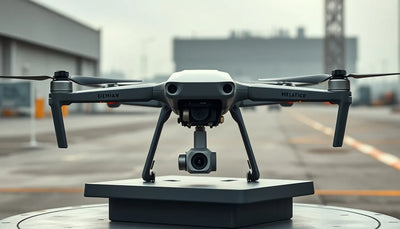
La patente de Insta360 insinúa un dron plegable para rivalizar con el DJI Neo 2
Una patente recientemente descubierta de Insta360 revela un prototipo de dron plegable diseñado para desafiar al Neo 2. de DJI. Analizamos lo que esto significa para los compradores de drones, los operadores de flotas y el mercado de DJI de segunda mano.

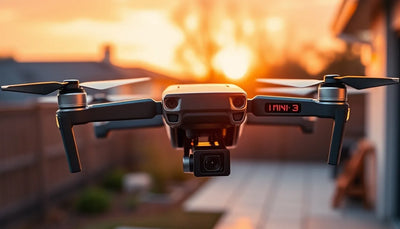
Un nuevo contendiente se está formando silenciosamente en el mercado de drones de consumo. Insta360, la compañía mejor conocida por sus innovadoras cámaras de acción e imágenes de grados 360, ha presentado una patente para un prototipo de dron plegable que parece apuntar directamente al popular modelo Neo 2 de DJI. Los detalles de la patente, que han aparecido recientemente, describen un diseño plegable compacto que refleja el factor de forma que DJI ha aprovechado con éxito en la serie Neo. Si bien la patente no confirma un producto comercial ni un cronograma de lanzamiento, la medida señala una expansión estratégica de Insta360 hacia el hardware de imágenes aéreas, y podría remodelar la forma en que los compradores de drones, los administradores de flotas y los participantes del mercado de vehículos usados planifican sus próximas compras.
La aparición de un rival creíble es importante para una industria en la que el DJI ha tenido durante mucho tiempo una participación enorme en el segmento de drones ligeros y plegables. Tanto para los operadores comerciales como para los pilotos entusiastas, una mayor competencia generalmente conduce a mejores funciones, precios más atractivos e innovación más rápida. Sin embargo, la fase de patente aún es temprana y aún se desconoce mucho sobre las especificaciones reales, el precio y la disponibilidad en el mercado del dron Insta360. En este análisis, desglosamos lo que revela la patente, lo que implica para el mercado en general y cómo los compradores de drones pueden tomar decisiones informadas hoy.
Lo que revela la patente Insta360
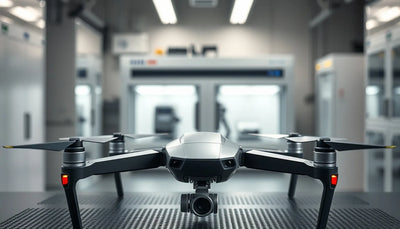
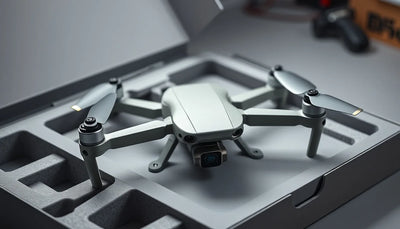
La solicitud de patente, según informó NEW CAMERA, describe un prototipo de dron plegable que está claramente diseñado para competir con el DJI Neo 2. Según la cobertura, la patente describe una plataforma aérea compacta y portátil con brazos plegables, un sistema de estabilización y una cámara integrada, probablemente aprovechando la experiencia de Insta360 en lentes de grado 360 y gran angular. Si bien la patente no especifica las dimensiones, el peso o la capacidad de la batería exactas, la arquitectura general sugiere un dispositivo que prioriza la portabilidad sin sacrificar la calidad de la imagen. La presentación también insinúa capacidades de procesamiento avanzadas, consistentes con el enfoque de Insta360 en la fotografía computacional y la unión en la cámara.
Market context
Turn market news into a buy, repair, or trade-in decision.
Compare pre-owned availability, resale timing, and repair economics before the market moves again.

Para los operadores de drones, la conclusión más inmediata es que Insta360 está invirtiendo mucho en investigación y desarrollo de drones. La compañía tiene una sólida trayectoria con cámaras de acción y accesorios modulares, pero un dron completo representaría un paso importante. La existencia de la patente por sí sola no garantiza el lanzamiento de un producto, pero sí indica que Insta360 ve una oportunidad creíble en el espacio de los drones plegables, un segmento actualmente dominado por la serie Neo 2, Mini de DJI y otros modelos compactos. Los operadores que dependen de drones livianos para viajes, fotografía de bienes raíces o trabajos de inspección deben monitorear de cerca este desarrollo, ya que un nuevo participante podría introducir nuevas características o estructuras de precios que afecten sus decisiones de compra.
Implicaciones para el mercado de drones de consumo
El mercado de drones de consumo ha visto relativamente pocos nuevos desafíos al dominio del DJI en los últimos años. Si bien marcas como Autel Robotics y Skydio se han labrado nichos, la combinación de rendimiento, ecosistema y precios del DJI lo ha mantenido a la cabeza. La entrada de Insta360, si se materializa en un producto comercial, podría alterar este equilibrio. La patente sugiere un dron que combina la herencia de imágenes de la compañía con una estructura de avión plegable, ofreciendo potencialmente capacidades únicas como captura de grados 360, rendimiento mejorado en condiciones de poca luz o modos de seguimiento impulsados por AI que aprovechan la experiencia en software de Insta360.
Desde un punto de vista práctico, una mayor competencia casi siempre es beneficiosa para los compradores de drones. Puede generar precios más bajos, paquetes de mejor valor e iteración de funciones más rápida. Los operadores de flotas que gestionan varios drones podrían obtener un proveedor adicional para diversificar su conjunto de hardware, reduciendo la dependencia de un solo fabricante. Por otro lado, la etapa de patente significa que es probable que falten meses, si no años, para el lanzamiento. Cualquiera que espere una alternativa inmediata al DJI Neo 2 debería moderar sus expectativas. Mientras tanto, el mercado existente de drones DJI usados sigue siendo una opción práctica para los compradores que buscan un rendimiento comprobado a precios más bajos.
Para el mercado de drones de segunda mano, la mera existencia de un competidor creíble puede frenar la demanda de nuevas unidades de los modelos actuales, ya que algunos compradores adoptan una actitud de “esperar y ver qué pasa”. Sin embargo, también puede aumentar la oferta de drones DJI usados recientemente por parte de los primeros usuarios que se actualizan al nuevo competidor. Esta es una dinámica que hemos visto antes con cada nuevo ciclo de producto y, por lo general, beneficia a los compradores que se sienten cómodos comprando productos inspeccionados. drones DJI usados.
Qué significa esto para los compradores de drones
Si está buscando un dron compacto y plegable, la patente Insta360 presenta un punto de decisión. Para los compradores con una necesidad inmediata (como una sesión fotográfica programada, un contrato de inspección o un plan de viaje), puede que no sea práctico esperar por un producto no confirmado. El DJI Neo 2 es una plataforma probada y ampliamente compatible con un ecosistema maduro de accesorios, repuestos y servicios de reparación. Elegir un dron DJI usado de una fuente confiable puede proporcionar un rendimiento excelente a un costo reducido, con la tranquilidad adicional de una inspección profesional.
Para los compradores que no tienen prisa, las noticias sobre patentes añaden valor a la hora de retrasar una compra. Esperar puede permitirle evaluar la oferta de Insta360 una vez que llegue a producción, o beneficiarse de posibles reducciones de precios en los modelos DJI a medida que los competidores ganan terreno. Los administradores de flotas que planean adquisiciones de varias unidades deberían considerar fijar los precios actuales de las unidades DJI Neo 2 mientras aún estén ampliamente disponibles, especialmente si las piezas de repuesto y la continuidad de las reparaciones son fundamentales. el servicios profesionales de reparación DJI disponibles hoy en día se basan en la arquitectura de DJI, y cualquier plataforma nueva llevará tiempo desarrollar redes de soporte equivalentes.
Otro paso práctico es considerar el valor de intercambio de su dron existente. Si posee un DJI Neo 1 o un modelo anterior, la aparición de un nuevo competidor podría acelerar la depreciación. Puede ser aconsejable comprobar las ofertas de intercambio actuales utilizando un guía de intercambio de drones antes de que cambien las condiciones del mercado. Actuar ahora puede ayudarle a asegurar el máximo valor para su hardware actual mientras actualiza a un Neo 2 o espera lo que Insta360 pueda traer.
Impacto en el mercado y el ecosistema de reparación de DJI de segunda mano
Cualquier competidor creíble de un producto dominante afecta inevitablemente al mercado secundario. El segmento de drones DJI de segunda mano prospera gracias a la confiabilidad y disponibilidad de piezas del ecosistema de DJI. Si Insta360 lanza un dron plegable exitoso, podemos esperar una afluencia de unidades DJI Neo 2 en el mercado usado a medida que los primeros usuarios cambien de bando. Esto aumentaría la oferta y probablemente suavizaría los precios de los modelos usados, haciéndolos aún más atractivos para los compradores preocupados por su presupuesto y los operadores de flotas que buscan crecer.
Al mismo tiempo, el ecosistema de reparación de drones DJI está bien establecido, con técnicos certificados, repuestos originales OEM y flujos de trabajo de servicio integrales. Por el contrario, cualquier nuevo competidor necesitará años para construir una infraestructura similar. Para los operadores que priorizan el tiempo de actividad y el soporte, seguir con el DJI, incluso en el mercado de segunda mano, sigue siendo la opción de menor riesgo. la disponibilidad de servicios profesionales de reparación DJI significa que un dron DJI usado se puede dejar casi nuevo, extendiendo su vida útil y reduciendo el costo total de propiedad.
Los talleres de reparación y los proveedores de repuestos también deberían estar atentos a las novedades sobre patentes. Si el dron Insta360 gana terreno, también habrá demanda de servicios de reparación y repuestos para esa plataforma. Sin embargo, el cronograma es especulativo. A corto plazo, el mercado de repuestos DJI sigue siendo el mercado más líquido y confiable para los operadores que necesitan comprar, vender o reparar drones. La divulgación de la patente es un recordatorio de que las condiciones del mercado pueden cambiar y mantenerse informado es esencial para una buena asignación de capital en las flotas de drones.
¿Qué tan pronto podría lanzarse el dron Insta360?
La solicitud de patente no incluye una fecha de producción o lanzamiento. Según los plazos típicos desde la patente hasta el producto de consumo, el lanzamiento podría tardar entre uno y tres años. Insta360 no ha hecho ningún anuncio oficial sobre la comercialización.
¿Debería esperar al dron Insta360 en lugar de comprar un DJI Neo 2 ahora?
Eso depende de tu urgencia. Si necesita un dron para trabajar o viajar en un futuro próximo, el DJI Neo 2 es una opción confiable y con buen soporte. Si puede esperar, el potencial de una alternativa competitiva puede resultar en mejores características o precios en el futuro.
¿El dron Insta360 afectará el valor de mi dron DJI actual?
Podría, pero sólo si el producto Insta360 cumple su promesa y gana participación de mercado. A corto plazo, es poco probable que la patente por sí sola cause una depreciación significativa. Monitorear los valores de intercambio y considerar una venta antes del lanzamiento de un competidor puede ayudarlo a maximizar el valor de su activo actual.
Fuentes consultadas
No había documentación oficial adicional disponible al momento de la publicación.
Reboot Hub Editorial ofrece análisis de compra, reparación, reventa y operatividad para propietarios de drones. Si detecta algún error, contáctenos para solicitar una revisión de corrección conforme a nuestra política editorial.