Estudio de ozono con drones en el Everest revela nuevas capacidades de alta cota
Un equipo chino utilizó drones para medir la distribución vertical del ozono sobre el monte Qomolangma. Este avance abre nuevas posibilidades operativas para los UAV comerciales de gran altitud, lo que impacta en la planificación de flotas y en la valoración de mercado de segunda mano para las plataformas con estas capacidades.

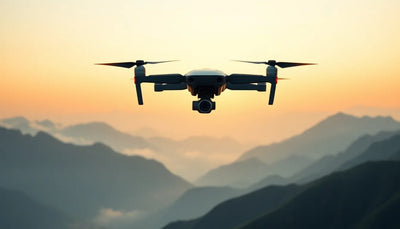
Un equipo de investigación chino ha llevado a cabo con éxito la primera observación de la distribución vertical del ozono sobre el monte Qomolangma (Everest) mediante el uso de drones, según un informe del Global Times fechado en julio 11, 2026.. Este avance, logrado mediante sistemas aéreos no tripulados de gran altitud, representa un paso significativo en la ciencia atmosférica y aporta a los operadores de drones comerciales nuevas evidencias sobre la robusta fiabilidad que las plataformas modernas pueden ofrecer bajo condiciones de estrés ambiental extremo.
Aunque el informe no especifica el modelo exacto del dron ni el fabricante utilizado en la misión, las implicaciones para el ecosistema comercial UAV en general son considerables. Las misiones a altitudes que superan los 8,000 metros llevan cada sistema —batería, propulsión, telemetría y carga útil de sensores— al límite absoluto. Para los operadores de flotas, los compradores de drones DJI de segunda mano y los profesionales de la reparación, esta demostración refuerza el valor de las plataformas diseñadas para soportar condiciones adversas. Asimismo, plantea interrogantes importantes sobre los intervalos de mantenimiento, el suministro de piezas de repuesto y el valor de reventa a largo plazo de los drones que han demostrado su eficacia en trabajos de campo exigentes.
Lo que la misión de observación del ozono revela sobre la fiabilidad de los drones
El informe del Global Times señala que la distribución vertical del ozono sobre el monte Qomolangma fue observada por un equipo chino, recopilando los datos a través de un dron. No se trata de un vuelo rutinario. El aire enrarecido, el frío extremo y los vientos impredecibles a la altitud del Everest ponen a prueba cada componente de un UAV. El hecho de que una plataforma de drones haya transportado con éxito sensores científicos en este entorno sugiere que los drones comerciales de alta gama actuales —probablemente de clase empresarial o de carga pesada— son capaces de mantener un rendimiento sostenido muy superior a las especificaciones estándar de consumo.
DJI buying context
Match product news to hardware you can actually deploy.
Check inspected DJI aircraft, repair support, and trade-in timing before deciding whether to upgrade, repair, or wait.

Para los operadores comerciales, esto tiene una relevancia directa. Si un dron puede ascender con fiabilidad hasta casi los 9,000 metros en una misión científica, puede hacer frente a tareas industriales exigentes, como la inspección de tuberías a gran altitud, la búsqueda y rescate en zonas alpinas o la monitorización atmosférica para empresas mineras y energéticas. La implicación práctica es que la compra de un dron DJI usado, proveniente de una flota que haya acumulado muchas horas en condiciones moderadas, puede seguir ofreciendo una amplia capacidad de reserva. Por el contrario, los drones usados que hayan operado en condiciones extremas deben ser inspeccionados minuciosamente —especialmente motores, hélices y celdas de batería— antes de entrar en el mercado de segunda mano.
Esta misión también subraya la importancia de utilizar repuestos originales OEM. Los vuelos a gran altitud imponen ciclos térmicos y de presión que pueden acelerar el desgaste de las carcasas plásticas, los sellos y los conectores electrónicos. Los operadores que planifiquen operaciones similares deben priorizar servicios profesionales de reparación DJI que utilicen componentes auténticos para mantener la aeronavegabilidad. El uso de piezas falsificadas o de terceros podría comprometer la seguridad del vuelo en altitud.
Qué significa esto para los compradores de drones
Para cualquier persona que evalúe la compra de un dron, ya sea nuevo o usado, el estudio del ozono en el Everest constituye una prueba de estrés en condiciones reales que pocos productos llegan a superar. Los compradores deben considerar lo siguiente:
- En entornos extremos, la elección de la plataforma es más determinante que la carga útil del sensor. La estructura del dron, la autonomía de la batería y los sistemas de redundancia son los que permiten el éxito de una misión de este tipo. Al buscar drones DJI de segunda mano, se recomienda buscar modelos con un historial comprobado de operaciones en gran altitud o climas fríos.
- Los registros de vuelo son un activo valioso. Un dron usado que nunca haya superado los 4,000 metros puede estar en excelentes condiciones. Un dron que haya operado repetidamente por encima de los 6,000 metros debería tener un precio menor, a menos que incluya registros de mantenimiento detallados y sustituciones recientes de piezas OEM.
- El estado de la batería no es negociable. Las celdas de polímero de litio se degradan más rápidamente ante diferenciales de temperatura extremos. El comprador de un dron siempre debe solicitar el recuento de ciclos de batería y los datos de caída de tensión (voltage sag) durante la inspección previa a la compra.
El mercado de segunda mano se beneficia de misiones como esta, ya que amplían el margen de lo que los operadores pueden esperar razonablemente de sus equipos. A medida que más usuarios científicos y comerciales validen las operaciones a gran altitud, es probable que el valor de reventa de las plataformas empresariales bien mantenidas se mantenga estable o aumente, especialmente en el caso de los modelos que aún cuentan con el respaldo de las cadenas de suministro de repuestos OEM.
Implicaciones para el mercado de segunda mano de DJI y la planificación de flotas
Para los gestores de flotas y pilotos individuales que consideren una actualización o expansión, la observación de ozono en el Everest aporta un dato clave que respalda la inversión en inventario robustecido. El dron utilizado en esta misión fue, casi con seguridad, un UAV de clase empresarial o fabricado a medida, pero la tecnología subyacente —controladores de vuelo, motores y gestión térmica— se traslada a los modelos de consumo y prosumidor disponibles en el mercado de segunda mano.
Los operadores de flotas deben notar que el éxito de la misión no implica que cualquier dron pueda operar a la altitud del Everest. No obstante, confirma que las plataformas de gama alta, con un mantenimiento adecuado, son capaces de superar los techos operativos nominales en condiciones reales. Este conocimiento puede influir en las decisiones de compra: una flota que ya posea algunos drones de clase empresarial podría aplazar la adquisición de nuevos equipos apoyándose en su inventario actual para trabajos a altitud moderada, reservando las unidades más capaces para contratos de alto riesgo.
Para quienes venden equipos usados, el momento es propicio. La cobertura mediática de la misión al Everest aumenta la conciencia sobre la durabilidad de los drones, lo que puede justificar precios premium para plataformas con capacidad probada en aire frío y enrarecido. Los vendedores deben destacar cualquier vuelo a gran altitud en el historial del dron solo si el mantenimiento ha sido documentado. Un registro de mantenimiento impecable con piezas originales DJI es un argumento de venta sólido.
Si está pensando en entregar a cambio un dron que le haya servido bien en condiciones exigentes, considere utilizar una guía de canje de drones para evaluar su valor de mercado actual según su estado y horas de vuelo. Una documentación adecuada de los vuelos a gran altitud puede ayudarle a negociar un precio justo.
Lo que deben saber los clientes de reparación y compradores de repuestos
Las misiones científicas que llevan a los drones al límite generan inevitablemente datos que ayudan a los profesionales del servicio técnico a comprender los modos de fallo. Aunque la observación de ozono en el Everest no publique registros técnicos de fallos, cualquier vuelo completado con éxito a esa altitud significa que los sistemas de propulsión, batería y telemetría funcionaron sin incidentes. Para los clientes de reparación, esto es tranquilizador: los mismos componentes que se adquieren como repuestos originales OEM son los que sobrevivieron a las condiciones más extremas de la Tierra.
Por el contrario, si un dron que ha operado a altitud extrema desarrolla problemas posteriormente, la causa raíz suele ser la fatiga termomecánica y no un defecto de diseño inherente. Las piezas plásticas se vuelven quebradizas tras la exposición repetida a temperaturas bajo cero, y los conectores pueden sufrir microfracturas por contracción y expansión. Un servicio de reparación profesional que utilice piezas OEM puede sustituir estos componentes por artículos nuevos con especificaciones de fábrica, restaurando el dron a un estado apto para operar con seguridad en otra misión exigente.
Los operadores que planifiquen su propio trabajo de campo a gran altitud deben presupuestar intervalos de mantenimiento más frecuentes. Un dron que normalmente se inspecciona cada horas de vuelo 50 puede necesitar una inspección cada horas 30 después de funcionar a metros 8,000. Las piezas de repuesto, como hélices, motores y trenes de aterrizaje, deben llevarse en el kit de campo, junto con baterías adicionales que se mantienen calientes hasta su uso.
La misión del Everest también subraya la importancia de contar con un socio de reparación fiable. Cuando un equipo científico invierte meses de planificación en una observación basada en drones, no puede permitirse tiempos de inactividad por una pieza defectuosa. El acceso a servicios profesionales de reparación DJI que dispongan de componentes originales y ofrezcan tiempos de respuesta rápidos se convierte en una ventaja estratégica, y no solo en una conveniencia.
Preguntas frecuentes
¿Es esta observación de ozono la primera vez que se utiliza un dron a tal altitud sobre el Everest?
Según el informe de Global Times, esto representa un avance significativo específicamente en la observación de la distribución vertical del ozono. Se han realizado otros vuelos de drones en el Himalaya, pero se reporta que las mediciones científicas de ozono a esta escala mediante un dron son primigenias. La misión demuestra que los UAV de grado comercial ya pueden respaldar la investigación de química atmosférica en entornos extremos.
¿Debería preocuparme por la capacidad de mi dron DJI usado para soportar el frío tras leer esto?
No. La misión del Everest utilizó una plataforma probablemente diseñada para condiciones extremas. La mayoría de los drones de consumo usados están clasificados para altitudes mucho menores. Sin embargo, la noticia confirma que los drones de clase empresarial bien mantenidos pueden sobrevivir al frío intenso y al aire enrarecido. Si planea utilizar un dron usado en climas fríos, verifique que sus baterías y electrónica no hayan sido almacenadas en condiciones húmedas o gélidas, y considere una inspección profesional antes de un uso intensivo.
¿Cómo puedo saber si un dron usado que voy a comprar ha operado a altitudes muy elevadas?
Los registros de vuelo son el mejor indicador. Solicite el historial de telemetría del dron, especialmente la altitud máxima alcanzada y las temperaturas medias de funcionamiento. Si el vendedor no puede proporcionar los registros, examine el estado físico: hélices desgastadas, imanes del motor flojos o carcasas de plástico agrietadas son indicios de una posible operación bajo condiciones de estrés. Un distribuidor acreditado de drones DJI de ocasión ofrecerá un historial transparente y podrá incluir un registro de mantenimiento reciente con piezas originales.
Fuentes consultadas
No había documentación oficial adicional disponible al momento de la publicación.
Reboot Hub Editorial ofrece análisis de compra, reparación, reventa y operatividad para propietarios de drones. Si detecta algún error, contáctenos para solicitar una revisión de corrección conforme a nuestra política editorial.