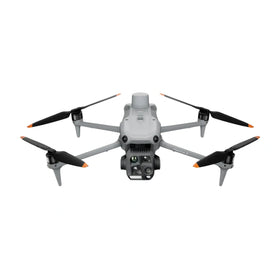
Chipmaker Rally Lifts Markets: What It Means for Drone Fleet Planning
The S&P 500, Dow, and Nasdaq rallied on Tuesday, led by chipmakers. The surge signals potential capital inflows into drone tech and could affect component costs, fleet investment timing, and used-drone pricing for operators.

Notas editoriales
- Este artículo combina informes externos citados con el análisis propio de Reboot Hub para compradores de drones, operadores de flotas, clientes de reparación y observadores del mercado de DJI seminuevos.
- Los hechos de la fuente se separan de la interpretación. Cuando un informe proporciona datos limitados, el artículo indica dicha limitación y presenta la visión de Reboot Hub como un análisis.
- Reboot Hub posee vínculos comerciales con productos y servicios de reparación de drones; dichos enlaces son recursos para el lector y no determinan la conclusión del artículo.
The S&P 500 Index closed up 0.79% on Tuesday, the Dow Jones Industrial Average rose 0.26%, and the Nasdaq 100 Index surged 1.68% as chipmakers led the rally. September E-mini S&P futures climbed 0.63% and September E-mini Nasdaq futures followed. For drone fleet operators and buyers, this broad market signal points to improving capital availability for technology companies and potential pressure on drone component pricing—especially semiconductors used in flight controllers, vision processors, and communication modules. When chipmakers rally, investors often increase appetite for related sectors, including autonomous systems and enterprise drone hardware. The practical effect on drone procurement and repair planning deserves close attention.

Market and sector signal
The rally in chipmaker stocks reflects renewed confidence in semiconductor demand cycles. Because modern drones depend heavily on chips—from the processors inside DJI’s Matrice 400 flight computers to the radio-frequency components in the O4 Ground Station—any shift in chip supply or pricing directly affects drone manufacturing costs. A stronger stock market also makes it easier for drone companies to raise capital for R&D and production scaling. For Reboot Hub readers, this means two things: first, if chip prices soften due to improved supply, new drone wholesale prices may stabilize or decline, delaying the depreciation curve for existing fleets; second, if capital flows increase, expect more aggressive enterprise leasing programs that keep used-equipment volumes high. The second-hand drone market often lags six to nine months behind such macro signals, so now is the time to watch inventory levels at resale platforms like Reboot Hub’s certified refurbished DJI drones for early signs of price adjustment.
What this means for drone buyers
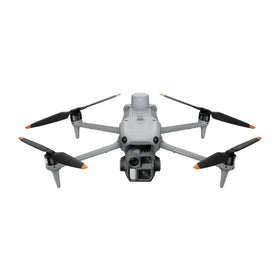
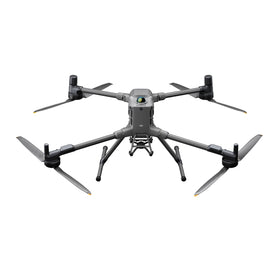
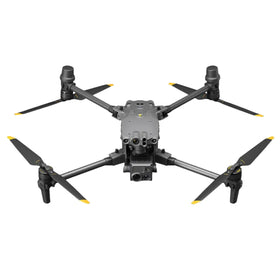
For commercial buyers and fleet managers, the chip rally is a leading indicator, not an immediate discount. The DJI Dock 3, which weighs 55 kg and opens to 1760x745x485 mm, relies on multiple processors for autonomous mission control. Its IP56 rating ensures dust and water resistance, but the actual electronic components inside are subject to semiconductor market cycles. When chip demand rises, drone manufacturers may face upward pressure on bill-of-materials costs, potentially delaying new product launches or narrowing discounts on existing models. Conversely, a sustained rally could accelerate investment in next-generation drones, making current models like the Matrice 4D (IP55) more available on the second-hand market as fleets upgrade. Buyers should evaluate whether to purchase now or wait: if fleet expansion is urgent, the relative stability of used pricing for rugged platforms like the Matrice 400 (IP55) or the O4 Ground Station (IP67) makes them sensible choices. For those relying on DJI repair services, monitoring chip supply helps forecast turnaround times on logic-board repairs. Reboot Hub’s professional DJI repair services use genuine parts and can advise on current lead times.
Purchase timing
Use market shifts to buy smarter, not faster.
When pricing, earnings, or supply news moves the drone market, compare certified pre-owned options and repair paths before committing new capital.
Component supply and repair readiness
Semiconductor supply chains are notoriously cyclical. The rally on Tuesday suggests that institutional investors believe the worst of the chip glut is over, and demand from sectors like automotive, data centers, and drones is recovering. From a repair perspective, this is critical: many drone components—including main flight controller chips and image sensor processors—are sourced from the same fabs that serve automotive and PC markets. If capacity tightens, spare part availability could become constrained. The verified product database lists the DJI D-RTK 3 with an IP67 rating and the DJI O4 Ground Station with the same rating, indicating that professional-grade ground equipment is designed for harsh environments and longer operational life, reducing the frequency of repairs. But when repairs are needed, having access to OEM parts matters. Reboot Hub’s OEM spare parts inventory is updated regularly to reflect supply conditions. Fleet managers should stock critical spares now if the rally leads to higher demand for chips, as OEM repair turnaround may lengthen by 2–4 weeks during tight periods.
Second-hand market dynamics and resale timing
The second-hand drone market is sensitive to both new-equipment pricing and operator confidence. A rising stock market encourages capital expenditure, which can push enterprise users to trade in older platforms for upgraded models. For example, the Matrice 4D (IP55) and Matrice 400 (IP55) are solid mid-life platforms that often appear on the used market after fleet upgrades. Similarly, the DJI Dock 3 (IP56, 55 kg) is a heavy-duty infrastructure piece that depreciates slowly but may see increased turnover if companies expand their automated monitoring networks. The rally in chipmakers suggests that drone manufacturers may have cheaper access to financing for new inventory, which could lead to promotional pricing on new units later this year. That would compress used-drone prices, making now a potentially favorable time to sell older equipment and upgrade to certified refurbished units. For buyers, the window for affordable used drones may narrow after the next earnings season. Reboot Hub’s MTS Radar provides real-time market tracking to help time such decisions.
Below is a quick reference of IP ratings for key DJI enterprise equipment, sourced from official specifications. These ratings indicate the level of protection against dust and water ingress, which directly influences repair frequency and resale value.
| Model | IP Rating | Operational Implication |
|---|---|---|
| DJI Dock 3 | IP56 | Protected against powerful water jets; suitable for exposed installations |
| DJI Matrice 4D / 4TD | IP55 | Protected against low-pressure water jets; good for variable weather |
| DJI Matrice 400 | IP55 | Same rating as Matrice 4D; consistent with enterprise durability standards |
| DJI O4 Ground Station | IP67 | Dust-tight and protected against immersion; ideal for wet or dirty sites |
| DJI D-RTK 3 | IP67 | Same immersion-level protection as O4 Station; critical for RTK base stations in the field |
These ratings matter because higher ingress protection reduces the risk of moisture damage to sensitive chips and circuit boards. When chip supplies are tight, a fleet with robust hardware is more resilient—repairs can wait longer without escalating. Buyers in the market for used equipment should prioritize higher-rated units not only for longevity but also for lower total cost of ownership during supply constraints.
How does a stock market rally directly affect drone component prices?
The rally signals renewed investor confidence in semiconductor demand, which can lead to increased fab capacity utilization. If chipmakers anticipate higher demand, they may raise prices for high-performance processors used in drones. However, if the rally reflects a broader economic recovery, it could also mean lower financing costs for drone manufacturers, offsetting some component price increases.
Should I delay buying a used drone if the market is rallying?
Not necessarily. A rally often precedes increased capital spending by enterprise fleets, which can lead to more trade-ins and better used inventory. The key is to watch lead times on new orders—if new drones become cheaper due to bulk production, used prices may drop in 3–6 months. For time-sensitive missions, buying a certified refurbished unit now avoids waiting.
What is the best approach to managing repair risk during chip supply fluctuations?
Stock critical spare parts, especially flight controllers and radio modules that contain chips. Repair services using genuine OEM parts are more reliable during shortages. Consider investing in equipment with higher IP ratings (e.g., IP67 for ground stations) to reduce water and dust-related repair frequency. Reboot Hub’s professional repair services can help assess your fleet’s vulnerability.
From Reboot Hub
Use market shifts to buy smarter, not faster.
When pricing, earnings, or supply news moves the drone market, compare certified pre-owned options and repair paths before committing new capital.
Certified DJI drones
Inspected pre-owned aircraft with warranty coverage and clear condition grading.
Browse inventory ->Genuine-part repair
Diagnostics, repair planning, and component replacement for working DJI fleets.
Book a repair ->OEM spare parts
Batteries, propellers, gimbals, and essential DJI components for faster recovery.
Shop parts ->