A Sister's Vigil: How Military Family Bonds Fuel Resilience in the Ranks
An Army veteran rushes to Bethesda to support her Navy sister during a critical hospital stay, highlighting the crucial role of familial support networks in military readiness and the unspoken burden on service members and their families. This story underscores the human cost of service and the resilience forged in military families, a dynamic that directly impacts retention, morale, and the operational effectiveness of the defense community, including the drone warfare units that rely on these very personnel.

Notas editoriales
- Este artículo combina informes externos citados con el análisis propio de Reboot Hub para compradores de drones, operadores de flotas, clientes de reparación y observadores del mercado de DJI seminuevos.
- Los hechos de la fuente se separan de la interpretación. Cuando un informe proporciona datos limitados, el artículo indica dicha limitación y presenta la visión de Reboot Hub como un análisis.
- Reboot Hub posee vínculos comerciales con productos y servicios de reparación de drones; dichos enlaces son recursos para el lector y no determinan la conclusión del artículo.
In a powerful testament to the bonds that hold the military community together, an Army veteran rushed to Bethesda, Maryland, to support her Navy sister during a difficult hospital stay. The story of Patricia Rowledge and Kayla Saska is not just a personal tale of family devotion; it is a microcosm of the immense, often invisible support system that underpins the readiness and resilience of the United States armed forces. For those of us who analyze the defense sector, including the rapidly evolving landscape of unmanned aerial systems (UAS), stories like this are a stark reminder that the human element remains the most critical and vulnerable component of our national security apparatus.
When Navy Fire Controlman Aegis Kayla Saska needed support during a hospital stay, her sister, Army veteran Patricia Rowledge, did not hesitate. She traveled to the Walter Reed National Military Medical Center, a facility that has become synonymous with the nation's commitment to its wounded and ill service members. This act of familial solidarity, while deeply personal, speaks to a larger truth: the military family-both the official one in uniform and the biological one at home-is the bedrock upon which operational capability is built. In an era where drone operators can find themselves piloting missions over Afghanistan from a console in Nevada, the psychological toll and the need for robust support networks have never been greater.
The Unsung Pillars of Military Readiness
The journey of Kayla Saska and Patricia Rowledge is a narrative that resonates across every branch of the service. It highlights the often-unseen sacrifices made by the families of those who serve. While headlines often focus on the technology of modern warfare-from F-35s to the latest MQ-9 Reaper drones-the human cost remains the constant. The stress of deployment, the strain of frequent moves, and the anxiety of dangerous assignments are borne not just by the service member, but by their entire family network.
Fleet readiness
Keep DJI hardware available without overbuying new units.
Use this news as a planning signal for inspected DJI aircraft, repair support, and trade-in timing.
For the defense industry, particularly companies like General Atomics, AeroVironment, and DJI (whose commercial drones are increasingly used in defense applications), understanding this human dynamic is crucial. The mental health and well-being of operators directly impact mission success. A fatigued, stressed, or unsupported drone pilot is a liability, not an asset. The story of these two sisters is a high-resolution snapshot of the support infrastructure that keeps our forces effective. It is a reminder that for every service member on the front lines-or in a remote operations center-there is a family member back home, ready to drop everything and provide support.
Ready to Upgrade Your Fleet?
Browse our collection of inspected pre-owned DJI drones - inspected, flight-tested, and backed by a 6-month warranty. Save up to 40% versus retail.
What This Means for the Drone and Defense Community
For active-duty drone operators and their families: This story is a direct mirror of your reality. The isolation of a deployment, whether overseas or in a stateside bunker, is a known stressor. The knowledge that your family is there, ready to rally, is a critical psychological buffer. For units operating the MQ-1C Gray Eagle or the RQ-7 Shadow, the strength of the home front directly correlates to the effectiveness of the mission. The Navy's own Fire Scout program and the burgeoning fleet of unmanned surface vessels demand a similar level of family resilience. The story of Rowledge and Saska is a validation of that struggle and a tribute to the support systems that make it bearable.
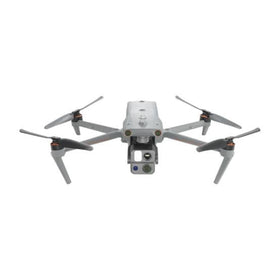
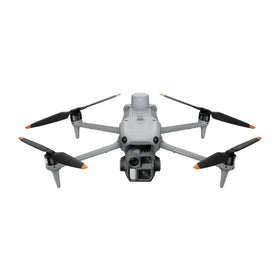
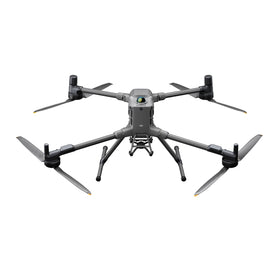
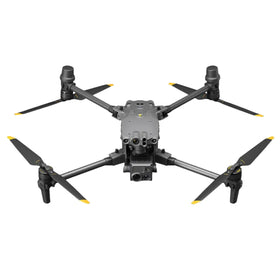
For commercial drone operators and the second-hand market: While this story is firmly rooted in the military defense context, its implications ripple outward. The discipline, focus, and situational awareness required of a military service member are the exact same traits that make a great commercial drone pilot. Whether you are flying a DJI Matrice 300 RTK for a precision agriculture survey, a Mavic 3 Enterprise for public safety, or an Autel EVO II for infrastructure inspection, the human factor is paramount. The stress of a tight deadline, the pressure of a high-stakes mapping project, or the fatigue of a long day of BVLOS operations can lead to mistakes. This story is a powerful reminder that your own support network-your team, your family, your community-is your most valuable asset.
Furthermore, for those of us in the used drone market, we see a direct parallel. A well-maintained, pre-owned drone is a testament to the care and professionalism of its previous operator. Just as a service member relies on their family for support, a professional drone pilot relies on a reliable, well-documented fleet. The integrity of the equipment mirrors the integrity of the operator. When you purchase a refurbishment-labeled drone from a platform like Reboot Hub, you are not just buying hardware; you are buying into a culture of accountability and excellence that mirrors the military ethos.
The Economics of Resilience: Retention and the Human Cost
The financial implications of this story are profound for the Department of Defense. The cost of recruiting, training, and retaining a skilled drone operator is immense. The Air Force, for example, has struggled for years with burnout and retention among its RPA (Remotely Piloted Aircraft) pilots. The constant tempo of operations, the 24/7 nature of the mission, and the psychological weight of combat from a distance take a severe toll. A strong family support system is not a luxury; it is a force multiplier. It is a retention tool that costs nothing but pays dividends in operational experience and unit cohesion.
For defense contractors like Kratos (makers of the XQ-58 Valkyrie) and Shield AI (developers of autonomous swarms), the human element remains the bottleneck. No matter how advanced the AI becomes, the decision to employ lethal force, the interpretation of complex sensor data, and the maintenance of the delicate human-machine team will always require a healthy, resilient human operator. The story of these two sisters is a data point in the larger equation of national security. It argues for increased investment in family support programs, mental health resources, and the kind of community that Patricia Rowledge exemplifies.
For the commercial sector, this translates directly into operational risk management. A pilot dealing with a personal crisis is a pilot who is not fully present. This is a liability issue. Companies that invest in their pilots' well-being-through flexible schedules, mental health days, and a supportive culture-will see better safety records, lower insurance premiums, and higher quality work. The pre-owned DJI drones we sell at Reboot Hub are often traded in by professional operators who are upgrading their fleets. This suggests a healthy, dynamic market where professionals are investing in their future, a sign of a resilient industry.
Looking Ahead: The Future of the Human-Machine Team
As we move toward 2027 and beyond, the integration of artificial intelligence and autonomous systems will only accelerate. The Pentagon's Replicator initiative aims to field thousands of attritable autonomous systems. The Navy is pushing forward with its unmanned fleet. The Army is integrating UAS into every echelon. In this future, the role of the human operator will evolve, but it will not disappear. The need for judgment, ethics, and contextual awareness will become even more critical. And the need for those operators to be mentally and emotionally healthy will be paramount.
The story of Army veteran Patricia Rowledge supporting her Navy sister Kayla Saska is more than a heartwarming human-interest piece. It is a strategic-level lesson in the foundations of military power. It is a testament to the idea that the strongest weapon system is not a drone, a missile, or a satellite, but the unbreakable bond between people who are willing to sacrifice for each other. For the defense analyst, the drone operator, and the commercial pilot, the takeaway is clear: invest in your people and their support systems, because they are the ones who will ultimately determine the success or failure of the mission.
At Reboot Hub, we understand this deeply. We are a community of professionals who have served, who have operated, and who understand the value of reliability and trust. Whether you are looking for a cost-effective entry point into professional aerial imaging or need to expand your existing fleet with high-quality, inspected equipment, our platform is built on the principles of integrity and service. Our professional DJI repair services ensure that your equipment-the tool you trust for your mission-is maintained to the highest standards, just as you maintain yourself and your team.
Frequently Asked Questions
How does this story relate to drone operators specifically?
Drone operators, particularly in the military, face unique psychological stressors from remote combat and high-tempo operations. This story highlights the critical role of family support in mitigating burnout and maintaining mental health, which directly impacts operational readiness and retention in the UAS community.
What are the financial implications of this for the defense industry?
The cost of training a single MQ-9 Reaper pilot can exceed $1 million. High attrition rates due to burnout represent a massive financial loss for the Department of Defense. Investing in family support systems is a cost-effective retention strategy that preserves this expensive, highly skilled human capital.
Can this family support dynamic be applied to commercial drone operations?
Absolutely. Commercial drone pilots face their own stressors, such as tight deadlines, high-stakes projects, and long hours. A supportive work environment that acknowledges the human factor leads to better safety records, higher quality data collection, and lower turnover. This is a key component of operational risk management for any professional UAS enterprise.
--
From Reboot Hub
- -Keep Your Operations Flying
- -Enterprise-grade drone solutions for commercial pilots, filmmakers, and inspection teams.
- -Pre-owned Fleet
- - - -Fully inspected DJI drones with 6-month warranty. Save up to 40%.
- - - - Browse Inventory -> - - -Expert Repair
- - - -Professional diagnostics with genuine OEM parts. Same-day estimates.
- - - - Book a Repair -> - - -Spare Parts
- - - -Batteries, propellers, gimbals -- premium OEM components, fast shipping.
- - - - Shop Parts -> - - -