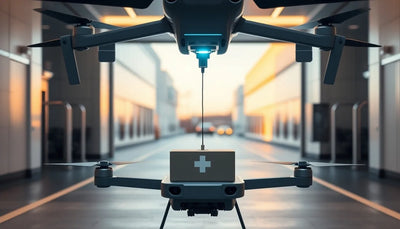
Zipline Targets 68% Noise Cut as Delivery Drones Expand
Zipline says new flight software reduces modeled sound exposure by 68%, a response to rising residential noise complaints as drone delivery expands. The shift signals that acoustic performance is becoming a commercial requirement for operators, fleet buyers, and communities evaluating service expansion.

Quick answer
Zipline announced new flight software that reduces modeled sound exposure by 68%, responding to community noise concerns as drone delivery expands into residential areas.
- The update targets a 68% reduction in modeled sound exposure, according to DRONELIFE reporting.
- The announcement responds to growing community complaints about drone delivery noise in residential neighborhoods.
- The change signals that acoustic performance is becoming a commercial and regulatory factor for delivery drone operators.
Evidence: DRONELIFE
Market context
Turn market news into a buy, repair, or trade-in decision.
Compare pre-owned availability, resale timing, and repair economics before the market moves again.

Zipline has announced new flight software designed to make its delivery aircraft quieter, a move that DRONELIFE reports is aimed directly at reducing modeled sound exposure by 68%. The update arrives as drone delivery operators face mounting community concerns about noise and other impacts on residential neighborhoods, according to the primary reporting published on October 29, 2026.
The announcement matters beyond a single company. Drone delivery has spent years clearing technical and regulatory hurdles, but public acceptance is now emerging as a practical constraint on expansion. Noise, in particular, has become one of the most visible friction points between delivery operators and the communities they serve. Zipline's software-driven response suggests the industry is beginning to treat acoustic performance as a design requirement rather than an afterthought.
Why delivery drone noise became a commercial problem
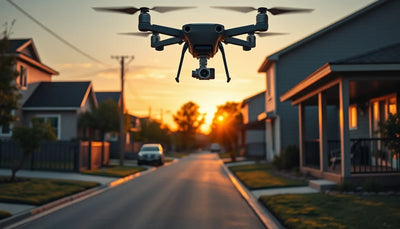
Drone delivery routes typically concentrate over residential corridors, where repeated overflights create a cumulative acoustic footprint. Unlike a single aircraft passing overhead, delivery operations involve multiple flights per hour along similar paths, which can turn an occasional sound into a persistent neighborhood nuisance. DRONELIFE's reporting frames Zipline's update as a response to that growing concern as the company expands into more residential areas.
For commercial operators, the implication is clear: noise complaints are not merely a public relations issue. They can trigger local restrictions, route changes, operating hour limits, or outright community opposition that slows deployment. A quieter aircraft profile reduces the likelihood that a delivery program becomes a zoning or permitting fight. Reboot Hub analysis suggests that acoustic performance will increasingly appear in operator procurement checklists alongside range, payload, and reliability, because a fleet that cannot operate quietly may not be able to operate at all in dense suburban markets.
What the 68% figure does and does not tell us
The reported 68% reduction refers to modeled sound exposure, not a measured decibel drop across all flight conditions. That distinction is important for fleet buyers and analysts. Modeled exposure reflects how software changes are expected to alter the acoustic footprint across a defined flight profile, but real-world results will depend on altitude, speed, wind, payload weight, and the specific aircraft involved. DRONELIFE attributes the figure to Zipline's announcement without detailing the modeling assumptions behind it.
Still, the direction is commercially significant. Software-based noise reduction is attractive because it can potentially apply to existing aircraft without requiring new hardware, airframe redesign, or fleet replacement. If flight path adjustments, descent profiles, or rotor control changes can meaningfully reduce perceived noise, operators gain a cost-effective tool for managing community relations. That is a different economic proposition than buying quieter aircraft, which would carry capital costs and likely pressure the secondary market for older delivery platforms.
What this means for drone owners and the market
The immediate impact is concentrated in the delivery segment, but the underlying shift extends further. As acoustic performance becomes a competitive differentiator, fleet operators will likely begin asking harder questions about noise during procurement. Buyers evaluating pre-owned DJI drones or enterprise platforms for inspection, mapping, or logistics should watch whether manufacturers follow Zipline's lead with software updates that reduce noise without hardware changes. A quieter aircraft is easier to operate near residential areas, schools, and noise-sensitive sites, which expands the practical operating envelope for commercial work.
For repair and maintenance providers, the announcement is a reminder that software increasingly shapes aircraft behavior in ways that affect real-world performance. A drone that is mechanically sound but running outdated flight software may be louder than an identical unit with current firmware. Operators who want to understand how software updates affect their fleet's acoustic profile can reference the Drone Wiki for model-specific operational context. The pre-owned market may also feel a secondary effect: if newer software makes current-generation delivery and enterprise aircraft quieter, older platforms without that capability could see softer demand in noise-sensitive applications. For owners evaluating service and lifecycle risk, Drone Wiki explains the relevant repair, parts, resale, or operational path.
Reboot Hub analysis: The broader market signal is that community acceptance is becoming a measurable operational variable. Delivery companies, logistics providers, and municipal partners are likely to weigh noise data when deciding where to expand service. A 68% modeled reduction, even with uncertainty around real-world translation, gives Zipline a concrete number to present to regulators, community boards, and commercial partners. That is a meaningful shift from treating noise as an unavoidable byproduct of drone operations.
What operators should watch next
The most important follow-up will be independent verification. Zipline's modeled figure is a starting point, not a final answer. Fleet managers and buyers should look for third-party acoustic testing, community response data from active delivery zones, and any regulatory acknowledgment of the software update. If measured noise reductions approach the modeled figure, expect competitors to respond with their own acoustic improvements, accelerating a quiet-aircraft race across the delivery segment.
Operators outside the delivery market should not dismiss the development. The same community sensitivity that pushed Zipline to act applies to any commercial drone work near residential areas, including infrastructure inspection, utility patrol, and construction monitoring. A pilot or fleet manager who can demonstrate a quieter operating profile has a practical advantage when seeking client approvals, municipal permits, or community goodwill. The lesson from Zipline's announcement is that noise management is no longer a niche concern; it is becoming a core element of commercial drone viability.
FAQ
Frequently asked questions
What did Zipline announce about drone noise?
Zipline announced new flight software designed to make its delivery aircraft quieter, with DRONELIFE reporting a modeled sound exposure reduction of 68%.
Why is drone delivery noise becoming a bigger issue?
As drone delivery expands into residential areas, repeated overflights create a persistent acoustic footprint, leading to community complaints and potential local restrictions on routes and operating hours.
Does the noise reduction apply to existing Zipline aircraft?
The announcement describes a software-based update, which suggests it could apply to existing aircraft without new hardware, though Zipline has not detailed which specific platforms or flight profiles are covered.
Which sources support this update?
The visible evidence links identify DRONELIFE; each source is used only for the claim it directly supports.
What remains subject to change?
Retail pricing, availability, product bundles and regulatory timelines can change. Readers should verify the latest terms with the named retailer, manufacturer or regulator before acting.
How should buyers or operators use this analysis?
Use the verified facts as a starting point, then compare mission fit, lifecycle support, maintenance needs and current procurement terms before making a purchase or fleet decision.
Konsultierte Quellen
- DRONELIFE - primary source
Zum Zeitpunkt der Veröffentlichung waren keine weiteren offiziellen Dokumentationen verfügbar.
Die Redaktion von Reboot Hub liefert Käufer-, Reparatur-, Wiederverkaufs- und Betriebsanalysen für Drohnenbesitzer. Sollten Sie einen Fehler finden, kontaktieren Sie uns für eine Korrekturprüfung gemäß unseren Redaktionsrichtlinien.