WorldSkills Adds Drone Systems, Signaling Industrial Shift
The WorldSkills competition has introduced a Drone Systems event, pointing to formalized industrial demand for drone operation, maintenance, and repair skills. For commercial operators, fleet buyers, and the pre-owned DJI market, the move signals that drone work is becoming a recognized trade with structured career and service pathways.

Quick answer
WorldSkills has introduced a Drone Systems competition event, signaling that drone operation, maintenance, and repair are becoming recognized industrial trades with formal skills pathways.
- The event points to structured demand for drone systems skills in industrial settings
- Commercial operators may see more standardized training and service expectations
- Pre-owned DJI drone buyers could benefit from clearer maintenance and repair benchmarks
- Fleet managers should watch how competition standards shape hiring and service planning
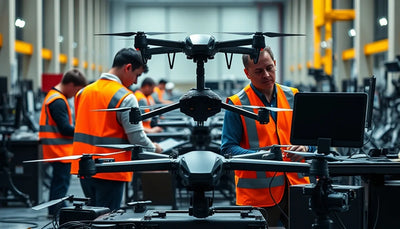
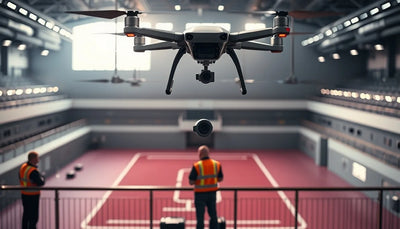
The inclusion of a Drone Systems event in the new WorldSkills competition marks a quiet but meaningful shift in how industrial economies treat unmanned aerial systems. According to a Sina Finance industry report, the event reflects a broader industrial future in which drone operation, maintenance, and systems integration are recognized as structured professional skills rather than niche hobbies or temporary project work.
Market context
Turn market news into a buy, repair, or trade-in decision.
Compare pre-owned availability, resale timing, and repair economics before the market moves again.

The development matters because WorldSkills functions as a global benchmark for vocational and technical excellence. When a technology enters that framework, it typically signals that employers, training institutions, and policymakers expect sustained demand for the underlying competencies. For commercial drone operators, repair customers, and fleet buyers, the event is worth reading as an early indicator of how the labor market and service ecosystem around drones may formalize over the next several years.
What the WorldSkills Drone Systems event signals
The Sina Finance report frames the Drone Systems competition as a window into an industrial future where drones are embedded in logistics, inspection, agriculture, public safety, and infrastructure work. The event is not presented as a consumer gadget showcase. Instead, it positions drone systems alongside other established trades that require measurable technical skill, safety awareness, and equipment knowledge.
For commercial operators, this framing has practical weight. A formal skills competition implies that employers and training bodies are beginning to define what competent drone work looks like. That definition tends to include flight operations, mission planning, equipment diagnostics, and repair readiness. When those standards become visible, they influence hiring criteria, service pricing, and the expectations placed on independent operators and small fleet teams.
Reboot Hub analysis suggests that the timing aligns with broader industrial adoption trends. Inspection, mapping, and delivery programs have moved from pilot projects to recurring operations in several markets. As those programs scale, the need for repeatable maintenance and repair processes grows. A competition event focused on drone systems is one more signal that the supporting trade infrastructure is starting to catch up.
Repair, maintenance, and the skilled labor question
One of the most commercially relevant implications of the WorldSkills Drone Systems event is the attention it places on maintenance and repair as core competencies. The Sina Finance report frames drone systems work as an industrial discipline, which includes keeping equipment operational rather than simply flying it. For fleet managers and repair customers, that distinction matters.
When drone repair is treated as a recognized trade, it becomes easier to justify structured maintenance schedules, documented inspection processes, and investment in genuine OEM spare parts. Operators who currently rely on informal repair channels may find that formal service expectations become more common as trained technicians enter the workforce. That shift could raise the baseline quality of available repair work while also changing how buyers evaluate pre-owned equipment.
For owners of pre-owned DJI drones, the trend is cautiously positive. A more formalized repair and maintenance culture supports longer equipment lifecycles and clearer documentation of service history. Buyers in the second-hand market often struggle to verify whether a drone has been properly maintained. As industrial skills standards mature, the value of a well-documented, professionally serviced pre-owned unit could become easier to communicate and defend. Readers evaluating maintenance options can review the Drone Wiki for reference material on drone systems and service considerations.
What this means for drone owners and the market
The WorldSkills development does not change drone operations overnight, but it does reinforce a longer-term market direction. Commercial drone work is becoming more standardized, more regulated, and more dependent on reliable equipment uptime. For individual operators and small fleet owners, that means the cost of downtime and the quality of repair support will increasingly shape profitability.
Reboot Hub analysis: Buyers should pay closer attention to serviceability when selecting equipment. A drone that is difficult to repair or that lacks access to genuine OEM-pulled parts can become a liability as formal maintenance expectations rise. The same logic applies to the pre-owned DJI market. Pristine pre-owned units with clear inspection records and professional DJI repair history are likely to hold value better than units with unknown service backgrounds. For owners evaluating service and lifecycle risk, Drone Wiki explains the relevant repair, parts, resale, or operational path.
Fleet managers may want to treat the WorldSkills signal as a prompt to review internal training and maintenance practices. If industrial employers begin hiring against formal drone systems skill benchmarks, operators who document their own maintenance and repair workflows will be better positioned to meet client requirements, insurance expectations, and resale standards. The practical step is not to wait for regulation, but to build service discipline now.
The broader industrial and commercial outlook
The Sina Finance report connects the Drone Systems event to a wider industrial future, one in which unmanned systems are treated as standard infrastructure tools. That framing has implications for procurement, workforce planning, and the secondary market for commercial drone hardware. When a technology is treated as infrastructure, buyers tend to prioritize reliability, parts availability, and service support over short-term price advantages.
For the pre-owned market, this dynamic can cut both ways. On one hand, formalized maintenance standards may increase confidence in inspected pre-owned equipment. On the other hand, older models with limited parts support could face faster depreciation as service expectations rise. Operators should evaluate not just the purchase price of a drone, but the likely cost and availability of genuine OEM spare parts over the intended service life.
The WorldSkills Drone Systems event is a single data point, and the source does not provide detailed competition rules, participating regions, or specific employer commitments. Reboot Hub analysis treats it as a directional signal rather than a confirmed market shift. Still, the direction is consistent with what commercial operators already observe in the field: drone work is becoming more professional, more structured, and more dependent on reliable repair and maintenance ecosystems.
FAQ
Frequently asked questions
What is the WorldSkills Drone Systems event?
The WorldSkills Drone Systems event is a new competition category that presents drone operation, maintenance, and systems integration as structured industrial skills. The Sina Finance report frames it as a signal of broader industrial demand for drone-related trades.
Does the event change drone repair or resale value immediately?
No immediate regulatory or pricing change is reported. However, the event supports a longer-term trend toward formal maintenance standards, which could improve confidence in professionally serviced pre-owned DJI drones and raise expectations for documented repair history.
What should a drone owner or fleet manager do differently?
Treat serviceability and parts availability as core procurement criteria. Document maintenance and repair work consistently, prioritize genuine OEM spare parts, and evaluate pre-owned equipment based on inspection records and service history rather than purchase price alone.
Which sources support this update?
The article distinguishes reported information from analysis and does not present an unverified source as official confirmation.
What remains subject to change?
Retail pricing, availability, product bundles and regulatory timelines can change. Readers should verify the latest terms with the named retailer, manufacturer or regulator before acting.
How should buyers or operators use this analysis?
Use the verified facts as a starting point, then compare mission fit, lifecycle support, maintenance needs and current procurement terms before making a purchase or fleet decision.
Konsultierte Quellen
- Source material - primary source
Zum Zeitpunkt der Veröffentlichung waren keine weiteren offiziellen Dokumentationen verfügbar.
Die Redaktion von Reboot Hub liefert Käufer-, Reparatur-, Wiederverkaufs- und Betriebsanalysen für Drohnenbesitzer. Sollten Sie einen Fehler finden, kontaktieren Sie uns für eine Korrekturprüfung gemäß unseren Redaktionsrichtlinien.