Ring Launches Ring Robotics With Indoor Drone Cam
Ring is entering autonomous indoor security with Ring Robotics, debuting an indoor drone cam and a wheeled patrol robot built on its AI Pilot navigation system. The move signals growing commercial interest in automated mobile monitoring and could reshape how security buyers evaluate drone-based surveillance.

Quick answer
Ring announced Ring Robotics, a new autonomous mobile security line featuring an indoor Ring Drone Cam and a wheeled patrol robot, both running on the company's AI Pilot navigation system.
- Ring Robotics launched on November 10 with two products: Ring Drone Cam and a wheeled patrol robot for businesses.
- Both devices use Ring's AI Pilot navigation system for autonomous movement.
- The announcement was reported by DRONELIFE on November 11, 2026.
- The move signals broader commercial interest in autonomous indoor security drones.
Evidence: DRONELIFE
Market context
Turn market news into a buy, repair, or trade-in decision.
Compare pre-owned availability, resale timing, and repair economics before the market moves again.

Verified facts
What the available evidence confirms
| Product | Form factor | Navigation system | Target user |
|---|---|---|---|
| Ring Drone Cam | Autonomous indoor drone | AI Pilot | Business and home security |
| Ring patrol robot | Wheeled patrol robot | AI Pilot | Business security |
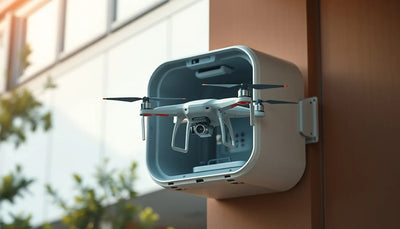
Amazon's home security company Ring is expanding beyond doorbells and fixed cameras into autonomous mobile security. On November 10, Ring announced Ring Robotics, a new product line built around devices that move through indoor spaces on their own. According to reporting from DRONELIFE, the line launches with two products: Ring Drone Cam, an autonomous indoor drone, and a wheeled patrol robot aimed at business customers.
Both devices run on a navigation system Ring calls AI Pilot. The company is positioning the hardware as a way to extend security coverage beyond the fixed field of view that traditional cameras provide. For commercial drone operators and security integrators, the announcement is a signal that indoor autonomous flight is moving closer to mainstream consumer and small-business adoption.
What Ring Robotics actually announced
Ring Robotics represents a structural shift for a company best known for video doorbells, outdoor cameras, and alarm systems. The new line introduces mobility as a core feature. The Ring Drone Cam is an indoor drone designed to patrol interior spaces, while the wheeled patrol robot targets business environments where floor-based movement may be more practical than flight.
DRONELIFE reported that both products rely on AI Pilot, Ring's navigation and autonomy layer. The source material does not include detailed flight time, sensor specifications, obstacle avoidance hardware, or pricing. That absence matters for commercial buyers: it means procurement teams cannot yet compare the Ring Drone Cam against established indoor inspection or security platforms on technical merit alone.
What is clear is the strategic direction. Ring is betting that autonomous mobile security devices can fill coverage gaps that fixed cameras leave open. A stationary camera watches one area. A drone or robot can move toward an event, follow a preset patrol route, or reposition based on activity. That capability has long been discussed in enterprise security circles, but Ring's entry suggests the technology is becoming commercially viable at scale.
Why indoor autonomy is a different operational problem
Indoor autonomous flight is harder than it looks. GPS is unreliable or unavailable inside buildings, so drones must rely on visual positioning, inertial measurement, or other onboard sensing. Obstacles are denser indoors, lighting varies, and air currents from HVAC systems can affect small aircraft. A security drone that operates without direct pilot control needs robust autonomy and reliable fail-safes.
Ring's use of a proprietary navigation system called AI Pilot indicates the company is addressing those challenges through software rather than relying on manual piloting. For commercial drone operators, that is the most relevant technical detail in the announcement. If AI Pilot proves reliable, it could lower the skill threshold for indoor security drone operation and shift demand toward autonomous platforms rather than piloted ones.
However, the source data does not confirm how AI Pilot handles degraded lighting, narrow corridors, glass surfaces, or moving people. Those are the failure points that typically determine whether an indoor drone is a practical security tool or a demonstration project. Buyers should treat the launch as an early signal, not a proven operational benchmark.
What this means for drone owners and the market
The Ring announcement matters to commercial drone buyers and fleet operators because it validates indoor autonomy as a near-term market category. When a company with Amazon's distribution reach and Ring's consumer brand enters a space, it tends to accelerate awareness and pull competitor investment forward. Security integrators, facility managers, and enterprise buyers who had been waiting for indoor drone technology to mature may now start evaluating it more seriously.
For pre-owned DJI market participants, the immediate impact is indirect. Ring's indoor drone is not a direct competitor to outdoor camera drones like the Mavic or Matrice lines, and the source data does not suggest Ring is targeting aerial photography, mapping, or inspection workflows. But the launch could influence how security-focused buyers allocate budgets. If a business chooses an autonomous indoor drone for surveillance, that is budget that might otherwise have gone toward fixed cameras, contracted patrols, or piloted drone services.
The broader commercial drone market may also see a shift in how autonomy is marketed. Ring's framing around AI Pilot emphasizes hands-off operation rather than pilot skill. That could pressure other manufacturers to highlight autonomous features more prominently, which in turn affects how fleet managers evaluate total cost of ownership, training requirements, and repair support. For operators who maintain mixed fleets, the relevant question is whether autonomous indoor platforms reduce the need for dedicated pilots or simply change the nature of oversight. Readers tracking these shifts can monitor evolving platform and repair considerations through the Drone Wiki.
Repair and service implications are also worth watching. Indoor drones operate in confined spaces with hard surfaces, which increases the likelihood of propeller strikes, sensor impacts, and gimbal damage. If Ring Drone Cam units see meaningful deployment, the aftermarket for small indoor drone parts and repair services could expand. That would be a new segment distinct from outdoor DJI repair, with different failure modes and component demands. For owners evaluating service and lifecycle risk, Drone Wiki explains the relevant repair, parts, resale, or operational path.
What buyers and operators should watch next
For a buyer or fleet manager, the practical takeaway is to monitor Ring Robotics for specification releases, pricing, and real-world deployment reports before making procurement decisions. The announcement establishes intent, not capability. Key unknowns include battery life, patrol duration, obstacle avoidance performance, data storage, and integration with existing Ring or third-party security systems.
Commercial operators who already provide indoor inspection or security services should treat Ring's entry as a competitive signal. If Ring packages autonomous indoor patrol as a subscription or bundled security service, it could compete with piloted indoor drone services on price and simplicity. The counterargument is that specialized inspection work still requires human judgment, sensor payloads, and data workflows that a consumer-oriented security drone may not offer.
The source data does not confirm enterprise features, API access, or fleet management tools. Until those details emerge, the Ring Drone Cam should be viewed as a security product first and a commercial drone platform second. That distinction matters for anyone evaluating it against existing indoor drone hardware or planning a fleet expansion.
FAQ
Frequently asked questions
What is Ring Robotics?
Ring Robotics is a new product line from Ring, Amazon's home security company, focused on autonomous mobile security devices. It launched with two products: the Ring Drone Cam indoor drone and a wheeled patrol robot for businesses.
What navigation system do the new Ring devices use?
Both the Ring Drone Cam and the wheeled patrol robot run on AI Pilot, Ring's navigation and autonomy system. The source reporting does not include detailed technical specifications for how AI Pilot handles indoor positioning or obstacle avoidance.
Should commercial drone operators be concerned about Ring's entry?
Ring's announcement signals growing competition in autonomous indoor security, but the source data does not confirm enterprise features, pricing, or technical performance. Operators should monitor specification releases and real-world deployment reports before changing procurement or service strategies.
Which sources support this update?
The visible evidence links identify DRONELIFE; each source is used only for the claim it directly supports.
What remains subject to change?
Retail pricing, availability, product bundles and regulatory timelines can change. Readers should verify the latest terms with the named retailer, manufacturer or regulator before acting.
How should buyers or operators use this analysis?
Use the verified facts as a starting point, then compare mission fit, lifecycle support, maintenance needs and current procurement terms before making a purchase or fleet decision.
Konsultierte Quellen
- DRONELIFE - primary source
Zum Zeitpunkt der Veröffentlichung waren keine weiteren offiziellen Dokumentationen verfügbar.
Die Redaktion von Reboot Hub liefert Käufer-, Reparatur-, Wiederverkaufs- und Betriebsanalysen für Drohnenbesitzer. Sollten Sie einen Fehler finden, kontaktieren Sie uns für eine Korrekturprüfung gemäß unseren Redaktionsrichtlinien.