ParaZero Lands Fourth Order from Tier-1 European Defense Firm
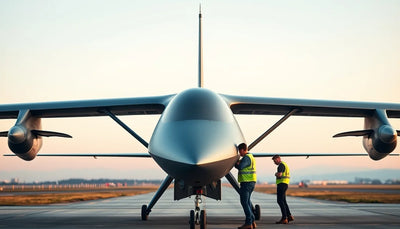
ParaZero Technologies announced a fourth order from a Tier-1 European defense company for its DefendAir system, with vehicle integration and NATO-focused demonstrations expected by the end of 2026. The repeat business points to growing demand for autonomous UAS safety systems in defense procurement cycles.

Quick answer
ParaZero Technologies received a fourth order from a Tier-1 European defense company for its DefendAir system, with vehicle integration and planned demonstrations for European end users and senior NATO military officers expected by the end of 2026.
- Repeat order signals continued customer commitment to ParaZero's autonomous UAS safety technology
- DefendAir is advancing through vehicle integration toward planned NATO-facing demonstrations
- The development was reported by Yahoo Finance based on a ParaZero press release dated November 2, 2026
- ParaZero trades on Nasdaq under the ticker PRZO
Evidence: Source material · Defense.gov official source
Fleet readiness
Keep DJI hardware available without overbuying new units.
Use defense and fleet news as a planning signal for repair support, inspected pre-owned aircraft, and replacement timing.

Verified facts
What the available evidence confirms
| Fact | Detail | Source |
|---|---|---|
| Company | ParaZero Technologies Ltd. (Nasdaq: PRZO) | Yahoo Finance / GlobeNewswire |
| Order | Fourth order from Tier-1 European defense company | Yahoo Finance / GlobeNewswire |
| Product | DefendAir autonomous UAS safety system | Yahoo Finance / GlobeNewswire |
| Timeline | Demonstrations expected by end of 2026 | Yahoo Finance / GlobeNewswire |
| Audience | European end users and senior NATO military officers | Yahoo Finance / GlobeNewswire |
ParaZero Technologies Ltd. (Nasdaq: PRZO) has received a fourth order from a Tier-1 European defense company for its DefendAir system, according to a company announcement published by Yahoo Finance on November 2, 2026. The repeat order moves the aerospace defense firm further along a path from initial adoption toward vehicle integration and planned demonstrations for European end users and senior NATO military officers, with those demonstrations expected by the end of 2026.
The development matters because it suggests that ParaZero's autonomous safety technology for unmanned aerial systems is moving beyond pilot programs into a more structured procurement relationship. For commercial drone operators, fleet managers, and anyone watching defense-adjacent UAS markets, the announcement offers a signal about where institutional demand for drone safety systems may be heading.
What the fourth order actually signals
ParaZero describes itself as an aerospace defense company focused on smart, autonomous solutions for manned and unmanned aerial systems. The DefendAir product line sits within that portfolio, and the latest order from a Tier-1 European defense company represents continued commercial validation from a customer that has now placed four separate orders. The source report frames the repeat business as evidence of sustained customer commitment rather than a one-off trial.
Reboot Hub analysis: a fourth order is operationally significant because defense procurement cycles rarely reward products that fail to perform in earlier integration stages. The fact that the customer is moving toward vehicle integration and planned demonstrations for senior NATO military officers suggests the technology is clearing internal technical and operational reviews. For commercial observers, this is a useful leading indicator of how autonomous safety systems may be evaluated in demanding institutional environments.
The announcement does not disclose the identity of the European defense company, the contract value, delivery volumes, or specific integration timelines beyond the end-of-2026 demonstration window. Those details remain outside the public reporting, and operators should treat the announcement as directional rather than a complete picture of the commercial arrangement.
Why defense UAS safety demand matters for commercial operators
Defense procurement has historically been a proving ground for technologies that later migrate into commercial and enterprise drone operations. Parachute recovery systems, autonomous flight termination logic, and fail-safe mechanisms developed for military UAS often influence the safety expectations that regulators, insurers, and enterprise buyers apply to civilian fleets.
ParaZero's DefendAir system is positioned around autonomous safety for unmanned aerial systems, a category that includes both military and commercial applications. As defense customers validate the technology in demanding operational scenarios, the underlying engineering lessons tend to filter into broader UAS safety standards. Commercial operators who fly beyond visual line of sight, operate over people, or manage high-value payloads should pay attention to how these defense-driven safety systems evolve.
The European defense market is also notable for its procurement rigor. A Tier-1 defense company placing repeat orders indicates that the product has met technical, reliability, and integration benchmarks that are considerably stricter than typical commercial drone accessory standards. That is a meaningful signal for fleet managers evaluating safety equipment for enterprise operations.
What this means for drone owners and the market
For most individual drone owners and small commercial operators, a ParaZero defense order will not change daily operations overnight. But the announcement does highlight a broader market trend: safety and autonomous recovery systems are becoming a more prominent part of UAS procurement conversations, particularly in Europe and among NATO-aligned defense buyers.
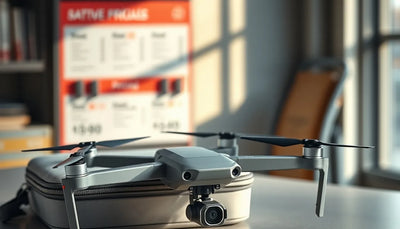
The pre-owned DJI market, for example, remains heavily influenced by consumer and enterprise demand for camera drones and inspection platforms. While ParaZero's defense-focused DefendAir system is not a direct competitor to DJI consumer hardware, the growing institutional emphasis on UAS safety could shape how enterprise buyers evaluate fleet investments over time. Operators who fly DJI Mavic, Matrice, or Inspire platforms in regulated environments may see increased interest in third-party safety add-ons and autonomous recovery solutions as procurement standards tighten. For those managing repair and maintenance budgets, the takeaway is that safety system integration is becoming a more visible line item in professional UAS operations. Readers evaluating pre-owned DJI drones or OEM-pulled parts for fleet use can consult the Drone Wiki for model-specific context on maintenance and ownership considerations. For owners evaluating service and lifecycle risk, Drone Wiki explains the relevant repair, parts, resale, or operational path.
The practical operator-facing question is whether to treat defense safety system adoption as a signal to evaluate similar technology for commercial fleets. The answer depends on mission profile. Operators flying over people, near critical infrastructure, or beyond visual line of sight face the highest exposure to safety-related regulatory requirements. For those operators, tracking defense-grade safety system development is not speculative; it is forward-looking procurement intelligence.
What to watch through the end of 2026
The most concrete near-term milestone in the source report is the planned demonstrations for European end users and senior NATO military officers, expected by the end of 2026. Those demonstrations will likely determine whether the fourth order leads to broader deployment, additional orders, or expanded integration across multiple vehicle types.
For market watchers, the key signals to monitor include any follow-up announcements from ParaZero regarding demonstration outcomes, additional orders from the same or adjacent European defense customers, and any public commentary from NATO member military officials about UAS safety requirements. The source report does not provide a schedule for these demonstrations beyond the end-of-2026 expectation, so timing remains uncertain.
ParaZero's Nasdaq listing under the ticker PRZO also means that investors will be watching whether defense revenue momentum translates into broader commercial traction. The company's positioning as an aerospace defense firm with autonomous UAS solutions spans both military and civilian markets, and the European defense order represents one data point in a larger commercial story that remains source-limited at this stage.
FAQ
Frequently asked questions
What did ParaZero announce?
ParaZero Technologies announced a fourth order from a Tier-1 European defense company for its DefendAir system, with vehicle integration underway and demonstrations for European end users and senior NATO military officers expected by the end of 2026.
Why does this matter for commercial drone operators?
Defense procurement of UAS safety systems often influences the standards and technologies that later reach commercial and enterprise drone operations. Repeat orders from a Tier-1 defense customer suggest the safety technology is meeting demanding institutional benchmarks.
Should drone buyers change anything based on this news?
Most individual drone buyers do not need to change purchasing decisions based on this announcement. However, fleet managers and operators flying in regulated or high-risk environments should monitor how defense-grade safety systems evolve, as similar requirements may influence commercial UAS procurement standards over time.
Which sources support this update?
The visible evidence links identify Source material and Defense.gov official source; each source is used only for the claim it directly supports.
What remains subject to change?
Retail pricing, availability, product bundles and regulatory timelines can change. Readers should verify the latest terms with the named retailer, manufacturer or regulator before acting.
How should buyers or operators use this analysis?
Use the verified facts as a starting point, then compare mission fit, lifecycle support, maintenance needs and current procurement terms before making a purchase or fleet decision.
Konsultierte Quellen
- Source material - primary source
- Defense.gov official source - official government source
Die Redaktion von Reboot Hub liefert Käufer-, Reparatur-, Wiederverkaufs- und Betriebsanalysen für Drohnenbesitzer. Sollten Sie einen Fehler finden, kontaktieren Sie uns für eine Korrekturprüfung gemäß unseren Redaktionsrichtlinien.