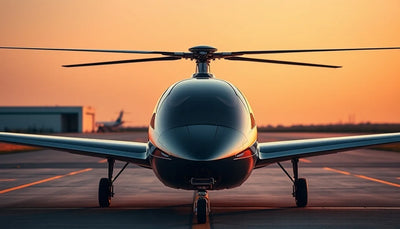
Lucid Bots rooftop pulley shifts cleaning drone load off the aircraft
Lucid Bots is changing how its Sherpa cleaning drone handles tall-building work. A new rooftop pulley system takes part of the cleaning hose weight off the aircraft, a design shift with implications for endurance, maintenance, and how operators evaluate exterior cleaning drones.

Quick answer
Lucid Bots is equipping its Sherpa cleaning drone with a rooftop pulley system that removes part of the cleaning hose weight from the aircraft during tall-building work.
- DroneDJ reported the development on October 2, 2026.
- The rooftop system takes some hose load off the drone instead of making the aircraft carry the full weight.
- The change targets tall-building exterior cleaning operations.
- The design shift could affect endurance, wear, and maintenance planning for commercial cleaning fleets.
Evidence: DroneDJ
Market context
Turn market news into a buy, repair, or trade-in decision.
Compare pre-owned availability, resale timing, and repair economics before the market moves again.

Lucid Bots is changing how its Sherpa cleaning drone approaches tall-building work. According to a DroneDJ report published on October 2, 2026, the company is introducing a rooftop pulley system that takes part of the cleaning hose weight off the aircraft. Instead of making the drone carry the full load of its hose during exterior cleaning, the new setup shifts some of that burden to a rooftop mechanism.
The development matters because hose weight has long been a practical constraint in tethered cleaning drone design. A drone that carries less suspended weight can operate differently than one that bears the entire hose load, and the change touches endurance, component stress, and how operators plan exterior cleaning jobs on high-rise buildings.
What the reported pulley change involves
The central reporting from DroneDJ describes a rooftop system that reduces the load the Sherpa drone must carry while cleaning tall structures. Rather than the aircraft supporting the full weight of its cleaning hose, the rooftop pulley arrangement takes some of that load off the drone. The report does not specify exact weight figures, hose lengths, or the full mechanical configuration of the system.
For commercial operators, the practical implication is straightforward: any design that reduces suspended weight can change how a cleaning drone behaves in the air. Less hose weight can mean different power draw, altered flight characteristics, and potentially reduced strain on motors and airframe components. Those are exactly the variables that fleet managers watch when estimating maintenance intervals and job costs.
Why exterior cleaning drone design is shifting
Exterior cleaning drones operate in a demanding niche. They work close to building facades, often at height, while managing tethers, fluid lines, and changing wind conditions. The weight of a cleaning hose is not a static problem; it changes as the drone climbs, descends, and moves laterally across a facade. A rooftop pulley system that shares that load represents a different engineering approach than a purely drone-borne tether.
Reboot Hub analysis suggests the broader trend is toward distributing operational loads between the aircraft and ground or rooftop infrastructure. For buyers evaluating cleaning drones, the question is no longer only about the aircraft itself. The support system, whether rooftop-mounted, ground-based, or vehicle-integrated, is becoming part of the total cost and reliability picture.
What this means for drone owners and the market
For drone owners and fleet operators, the reported Lucid Bots change is a reminder that commercial drone value is rarely just about the airframe. Support equipment, tether management, and fluid delivery systems all influence daily operating costs. A rooftop pulley system could reduce wear on the drone, but it also adds a rooftop installation step that crews must manage before cleaning begins.
Buyers in the pre-owned and parts market should pay attention to this kind of design shift. When a manufacturer changes how a drone carries load, earlier configurations may age differently in the secondary market. Operators who run mixed fleets or who source genuine OEM spare parts need to know whether a given unit was designed for drone-borne hose weight or for a rooftop-assisted setup, because the maintenance profile can differ. For readers tracking these shifts, the Drone Wiki offers a reference point for understanding how commercial drone categories and support equipment are evolving. For owners evaluating service and lifecycle risk, Drone Wiki explains the relevant repair, parts, resale, or operational path.
The market signal here is broader than one company. Cleaning drone adoption for tall buildings has been limited by practical questions around endurance, hose management, and safety. A rooftop-assisted approach addresses one of those constraints directly. If the concept proves workable in the field, it could influence how other exterior cleaning drone makers approach tall-building jobs and how service providers bid on high-rise contracts.
What operators should watch next
Operators evaluating exterior cleaning drones should ask how the full system works, not just what the aircraft can do. The DroneDJ report does not provide pricing, availability, or performance data for the new pulley arrangement, so buyers should treat the development as an early signal rather than a finalized product specification.
Fleet managers should also consider how rooftop equipment affects job setup time, crew requirements, and building access. A pulley system may reduce airborne weight, but it introduces a rooftop component that must be installed, inspected, and maintained. The trade-off could be favorable for tall buildings, but less relevant for low-rise work where hose weight is a smaller factor.
The cleaning drone segment remains small compared to inspection, mapping, and delivery applications, but it is commercially interesting because the work is repeatable and service-based. Design changes that improve endurance or reduce component stress can shift the economics of exterior cleaning contracts. That is why a rooftop pulley system, even without full technical detail, is worth tracking.
FAQ
Frequently asked questions
What did Lucid Bots reportedly change on its Sherpa cleaning drone?
According to DroneDJ, Lucid Bots is adding a rooftop pulley system that takes part of the cleaning hose weight off the Sherpa drone during tall-building work, rather than making the aircraft carry the full load.
Why does hose weight matter for cleaning drones?
Hose weight affects power draw, flight behavior, and component stress. Reducing the suspended load can change endurance and maintenance needs, which matters for operators planning exterior cleaning jobs on tall buildings.
Should drone buyers wait for more details before acting?
Yes. The DroneDJ report does not include pricing, availability, or performance figures for the pulley system. Buyers should treat it as an early design signal and evaluate the full rooftop and aircraft system before making procurement decisions.
Which sources support this update?
The visible evidence links identify DroneDJ; each source is used only for the claim it directly supports.
What remains subject to change?
Retail pricing, availability, product bundles and regulatory timelines can change. Readers should verify the latest terms with the named retailer, manufacturer or regulator before acting.
How should buyers or operators use this analysis?
Use the verified facts as a starting point, then compare mission fit, lifecycle support, maintenance needs and current procurement terms before making a purchase or fleet decision.
Konsultierte Quellen
- DroneDJ - primary source
Zum Zeitpunkt der Veröffentlichung waren keine weiteren offiziellen Dokumentationen verfügbar.
Die Redaktion von Reboot Hub liefert Käufer-, Reparatur-, Wiederverkaufs- und Betriebsanalysen für Drohnenbesitzer. Sollten Sie einen Fehler finden, kontaktieren Sie uns für eine Korrekturprüfung gemäß unseren Redaktionsrichtlinien.