Kratos Stock Jumps on Wedbush Upgrade – What It Means for Drone Buyers
Kratos (KTOS) shares surged 7.7% after Wedbush initiated coverage with an Outperform rating and $85 target. The upgrade signals confidence in defense drone growth, with potential ripple effects for commercial fleet buyers and pre-owned DJI drone pricing.

Shares of aerospace and defense company Kratos (NASDAQ:KTOS) rose 7.7% in afternoon trading after investment firm Wedbush initiated coverage with an Outperform rating and an $85 price target. The move highlights growing institutional confidence in the defense drone sector, a space where Kratos has carved out a position as a supplier of tactical unmanned systems, jet-powered targets, and missile-related technologies. For commercial drone operators and buyers, the upgrade is a reminder that defense sector momentum can influence the broader drone ecosystem — from component supply chains to resale pricing of used equipment.
What the Wedbush upgrade signals about defense drone demand
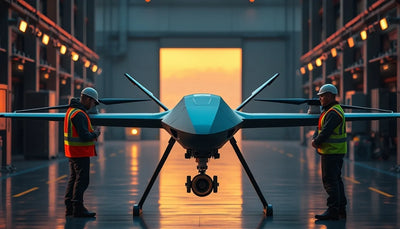
The Wedbush initiation is a concrete signal that at least one major analyst sees above-average upside in Kratos relative to the broader defense industry. The $85 price target implies significant headroom from the stock's pre-announcement level, reflecting expectations that Kratos will benefit from sustained government spending on drone systems, electronic warfare, and hypersonics. Kratos is known for developing platforms such as the BQM-177 subsonic aerial target and the Valkyrie loyal wingman drone, though the source data only confirms the company operates in aerospace and defense. What matters for the drone market is that analyst confidence in defense-focused drone stocks often correlates with long-term procurement visibility, which can affect pricing for both new and pre-owned commercial drones as defense priorities pull component supply.
The upgrade also comes at a time when many defense prime contractors are rotating more resources into uncrewed systems. If Kratos executes well, the broader market may see increased investment in drone-related technologies — some of which eventually trickle down into commercial and enterprise-grade UAVs. This dynamic is worth watching for anyone planning a fleet expansion or considering selling used equipment.
Market context
Turn market news into a buy, repair, or trade-in decision.
Compare pre-owned availability, resale timing, and repair economics before the market moves again.

How defense stock momentum affects commercial drone procurement
When a defense drone company receives a strong analyst rating, it can tighten the market for certain electronics, motors, batteries, and sensors that are dual-use or sourced from overlapping supplier networks. Commercial buyers may see slight price increases for high-end components if defense production ramps up. Conversely, if Kratos and similar firms accelerate their own production timelines, they may occasionally release excess inventory or older tech onto the open market, creating opportunities for savvy buyers of pre-owned systems.
For fleet managers evaluating whether to buy new or used drones, the Wedbush upgrade is a soft indicator that the industrial base is healthy. Healthy defense contractors are less likely to face sudden supply disruptions that could delay commercial deliveries. However, it also means competition for specialized talent and manufacturing capacity could keep lead times extended for custom builds. The practical takeaway is to lock in long-lead-time orders early and consider inspected pre-owned platforms as a buffer against potential price fluctuations.
What this means for drone buyers
For individual drone buyers, particularly those shopping for enterprise-grade platforms or planning to trade in older DJI equipment, the Kratos stock move reinforces the importance of timing purchases with broader market cycles. Defense sector optimism can buoy the entire aerospace supply chain, which sometimes leads to a short-term premium on new drone units. Buyers who are flexible may find better value in the pre-owned DJI market, where sellers may be motivated to free up capital for newer defense-adjacent technologies.
One concrete action to consider: monitor defense prime contract awards and analyst upgrades as leading indicators for drone pricing trends. If momentum builds, waiting three to six months could mean facing higher costs for new units. Conversely, if defense spending slows, commercial drone prices may soften. The smartest move today is to evaluate whether your current fleet meets mission needs or if there is a gap that warrants a purchase now rather than later. If you have older DJI drones that no longer fit your operations, selling them while market confidence is high could yield better trade-in value.
Long-term market dynamics and second-hand implications
The Wedbush upgrade is a single data point, but it fits into a pattern of growing Wall Street interest in drone-related equities. Kratos is not a consumer drone maker; its focus is on military-grade systems. However, the entire UAV market benefits when the defense segment attracts capital. Research and development dollars spent on endurance, autonomy, and secure communications often flow into commercial product lines after a lag. This means that the pre-owned DJI market could see an influx of newer technology over the next 12-24 months as firms upgrade fleets to incorporate defense-driven innovations.
For repair customers, the stability of OEM spare parts supply is a related concern. If Kratos and other defense contractors ramp production, they may compete for the same rare-earth metals and semiconductor fabrication capacity used in drone components. That could temporarily raise the cost of genuine OEM spare parts. In such an environment, it becomes even more important to perform routine maintenance and to use certified repair centers that can extend the life of existing aircraft. The financial health of the defense drone sector ultimately supports a robust repair ecosystem, as surplus parts and skilled technicians become more widely available.
Overall, the Kratos stock jump is a microcosm of the drone industry's increasing integration with mainstream defense markets. For readers who operate commercial fleets or buy and sell pre-owned DJI drones, the signal is clear: stay informed about defense analyst actions, as they often foreshadow shifts in pricing, availability, and technology transfer that will affect your next purchase or trade-in.
Is Kratos a drone company I should care about as a commercial operator?
Kratos primarily builds systems for the U.S. Department of Defense and allied militaries, so its products are not directly available for commercial drone operations. However, its market performance is a useful bellwether for the overall health of the drone ecosystem, including supply chain stability and innovation timelines that eventually influence commercial gear.
Could the Wedbush upgrade affect prices of DJI drones on the used market?
Indirectly, yes. When defense drone stocks gain analyst confidence, it often signals sustained or rising investment in UAV technology. That can drive demand for components and development talent, potentially raising the entry cost for new commercial drones. As a result, some budget-conscious buyers may turn to the pre-owned DJI market, pushing up prices for well-maintained units.
Should I delay selling my used drone because of this news?
Not necessarily. The 7.7% stock jump is a short-term event. If you have a drone that no longer meets your operational needs, market conditions today are favorable for sellers because overall drone industry sentiment is positive. Waiting too long could result in price corrections if defense spending priorities shift later in the year.