First Tellurium Completes Upgraded Heavy-Lift Drone Prototype
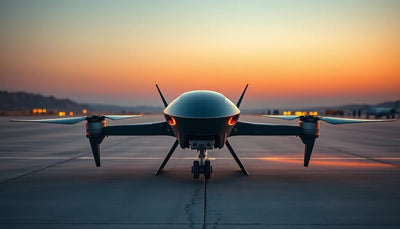
First Tellurium has completed an upgraded heavy-lift drone prototype, according to an Investing News Network report. The announcement signals continued development in the specialized heavy-lift segment, where commercial operators, logistics planners, and fleet buyers track airframe durability, payload capacity, and serviceability before committing to procurement.

Quick answer
First Tellurium announced completion of an upgraded heavy-lift drone prototype, as reported by Investing News Network.
- The company completed an upgraded heavy-lift drone prototype
- The report appeared via Investing News Network
- No technical specifications or launch dates were disclosed in the source
- The development is relevant to commercial heavy-lift drone buyers and fleet planners
First Tellurium has completed an upgraded heavy-lift drone prototype, according to a report from Investing News Network. The announcement marks a tangible step forward in the company's heavy-lift development program, though the source material does not include technical specifications, payload figures, flight endurance data, or a production timeline. For commercial operators and procurement teams, the development is best read as a signal of continued activity in a specialized segment where airframe capability and long-term serviceability tend to matter more than headline claims.
Market context
Turn market news into a buy, repair, or trade-in decision.
Compare pre-owned availability, resale timing, and repair economics before the market moves again.

The heavy-lift drone category sits apart from the consumer and prosumer markets that dominate mainstream coverage. These platforms are typically evaluated by enterprise buyers, logistics planners, agricultural service providers, and specialized industrial operators who need to move meaningful weight or carry mission-specific sensors. In that context, a completed prototype is not a product launch. It is an early-stage milestone that tells the market a developer has moved from design work into a physical, testable airframe.
What the source actually tells us
The Investing News Network report, surfaced through Google News, states that First Tellurium announced completion of an upgraded heavy-lift drone prototype. The source is limited: it does not provide model names, motor configurations, battery chemistry, airframe materials, payload ratings, or regulatory certification status. Reboot Hub analysis therefore treats this as a development-stage announcement rather than a commercially available platform.
That distinction matters for buyers. A completed prototype can be used for internal flight testing, investor demonstrations, or early customer evaluations, but it does not mean the drone is ready for fleet deployment, routine commercial missions, or resale. Operators who track emerging heavy-lift platforms should note the announcement as a development marker and wait for verified performance data before drawing procurement conclusions.
First Tellurium is not primarily known as a drone manufacturer in the same way as established enterprise airframe makers. The company's name suggests a materials or resource focus, which raises an interesting angle for the heavy-lift segment: airframe development often depends on access to lightweight structural materials, thermal management components, and specialized alloys. A company with materials expertise may be positioning itself around the supply chain that supports heavy-lift airframes rather than competing directly with established drone OEMs. That interpretation remains Reboot Hub analysis, not a claim confirmed by the source.
Heavy-lift development and commercial procurement reality
Commercial heavy-lift drones occupy a demanding niche. Unlike small inspection drones or camera platforms, heavy-lift airframes must manage higher structural loads, more aggressive thermal conditions, and greater wear on motors, ESCs, and battery systems. For fleet managers, the practical question is not whether a prototype exists, but whether the platform can sustain repeated mission cycles without excessive downtime or parts consumption.
This is where repair and serviceability enter the procurement conversation. A heavy-lift platform that cannot be maintained efficiently becomes a cost liability. Buyers evaluating new entrants in this segment typically look for accessible spare parts, clear maintenance documentation, and a support channel that can keep airframes mission-ready. The source does not indicate whether First Tellurium has addressed these operational questions, so buyers should treat serviceability as an open item.
The announcement also highlights a broader market dynamic: heavy-lift development is attracting interest from companies outside the traditional drone manufacturing base. Materials firms, logistics providers, and industrial technology companies are exploring the segment because heavy-lift capability touches multiple commercial applications. For established operators, that means the competitive landscape may shift over the next several years, potentially affecting pricing, parts availability, and support expectations.
What this means for drone owners and the market
For most individual drone owners and small commercial operators, a heavy-lift prototype announcement from a materials-focused company has limited immediate impact. The platforms most readers fly, including DJI consumer and enterprise models, occupy a different performance and regulatory category. However, the announcement does carry a useful signal about where development energy is flowing in the commercial UAV market.
Heavy-lift capability is closely tied to logistics, cargo delivery, agricultural application, and industrial transport use cases. If more companies enter this segment with viable platforms, the downstream effect could include new service models, expanded parts ecosystems, and shifting expectations around payload capacity across the broader commercial market. Fleet managers who currently operate mid-size enterprise drones may eventually face decisions about whether heavy-lift platforms complement or replace portions of their existing fleet.
For buyers and repair customers in the pre-owned DJI market, the relevant takeaway is more practical. Heavy-lift development does not change the fundamentals of DJI ownership, maintenance, or resale. Pre-owned DJI drones remain attractive because of their established parts availability, mature repair ecosystem, and predictable service costs. Operators considering a move toward heavy-lift platforms should weigh the maturity of the support ecosystem as carefully as the airframe itself. Reboot Hub maintains a Drone Wiki that helps owners understand platform maintenance and market context before making procurement or repair decisions. For owners evaluating service and lifecycle risk, Drone Wiki explains the relevant repair, parts, resale, or operational path.
The First Tellurium announcement is a development-stage event, not a market-shifting one. Buyers should continue to prioritize platforms with verified performance data, accessible parts, and established service channels. New entrants deserve attention, but commercial procurement should follow evidence, not announcements.
Reading development-stage drone announcements without overreacting
Commercial drone buyers encounter a steady stream of prototype announcements, partnership press releases, and development updates. Many of these never translate into commercially available products. The disciplined approach is to separate milestones into categories: design completion, prototype completion, flight testing, certification, production readiness, and commercial availability. Each stage carries different weight for procurement decisions.
First Tellurium's announcement falls into the prototype completion category. That is a legitimate milestone, but it sits several stages away from a product a fleet manager could buy, insure, and deploy. Operators should track the company's subsequent announcements for flight test results, payload data, endurance figures, and certification progress. Without those data points, the prototype remains an engineering achievement rather than a procurement option.
The heavy-lift segment will likely see more announcements of this kind as materials companies, logistics firms, and industrial technology developers test the market. Some will progress to commercial platforms. Others will remain development exercises. The operators who benefit most from this cycle are those who evaluate each announcement against operational requirements rather than industry enthusiasm.
FAQ
Frequently asked questions
What did First Tellurium announce?
First Tellurium announced completion of an upgraded heavy-lift drone prototype, according to a report from Investing News Network. The source did not include technical specifications, payload figures, or a production timeline.
Is the First Tellurium heavy-lift drone available to buy?
No. The source describes a completed prototype, not a commercially available product. Buyers should wait for verified flight test data, production readiness, and serviceability details before making procurement decisions.
Does this announcement affect the pre-owned DJI market?
Not directly. The pre-owned DJI market is driven by established parts availability, repair ecosystem maturity, and predictable service costs. A development-stage heavy-lift prototype from a different company does not change those fundamentals.
Which sources support this update?
The article distinguishes reported information from analysis and does not present an unverified source as official confirmation.
What remains subject to change?
Retail pricing, availability, product bundles and regulatory timelines can change. Readers should verify the latest terms with the named retailer, manufacturer or regulator before acting.
How should buyers or operators use this analysis?
Use the verified facts as a starting point, then compare mission fit, lifecycle support, maintenance needs and current procurement terms before making a purchase or fleet decision.
Konsultierte Quellen
- Investing News Network via Google News - primary source
Zum Zeitpunkt der Veröffentlichung waren keine weiteren offiziellen Dokumentationen verfügbar.
Die Redaktion von Reboot Hub liefert Käufer-, Reparatur-, Wiederverkaufs- und Betriebsanalysen für Drohnenbesitzer. Sollten Sie einen Fehler finden, kontaktieren Sie uns für eine Korrekturprüfung gemäß unseren Redaktionsrichtlinien.