DJI Neo 3 Battery Label Points to Three-Cell Pack, Neo 2 Owners Face New Costs
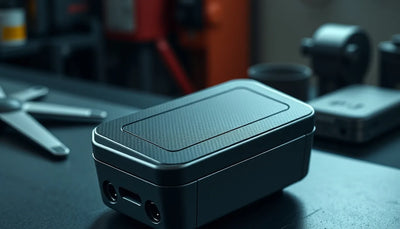
A leaked DJI Neo 3 battery label shows a three-cell, 1,800 mAh, 18.9 Wh design with seven pins. Neo 2 owners will need new packs, and the propeller screw detail signals broader hardware changes for repair and pre-owned planning.

Quick answer
A leaked DJI Neo 3 battery label shows a three-cell, 1,800 mAh, 10.5 V, 18.9 Wh pack with seven pins, and the design will not accept Neo 2 batteries.
- Neo 3 battery label reads 1,800 mAh, 10.5 V, 18.9 Wh
- Three-cell design with seven pins
- No Neo 2 pack will fit the Neo 3
- Propeller screws shown in the same leak
- Neo 2 owners face new pack costs
Evidence: DroneXL.co
DJI buying context
Match product news to hardware you can actually deploy.
Check inspected DJI aircraft, repair support, and trade-in timing before deciding whether to upgrade, repair, or wait.

Verified facts
What the available evidence confirms
| Item | Reported detail | Practical implication |
|---|---|---|
| Neo 3 battery label | 1,800 mAh, 10.5 V, 18.9 Wh | Confirms a three-cell configuration and new energy profile |
| Connector | Seven pins | Different electrical interface from prior Neo packs |
| Compatibility | No Neo 2 pack will fit | Existing owners must purchase new batteries |
| Propeller mounting | Screws visible in leak | Field maintenance and spare propeller planning may change |
Update: The emerging picture around the DJI Neo 3 battery has sharpened, and the commercial takeaway is straightforward: a leaked battery label points to a three-cell pack that will not accept Neo 2 batteries. DroneXL.co reported the label details on October 7, 2026, citing a battery image shared by Jasper Ellens that reads 1,800 mAh, 10.5 V, and 18.9 Wh, with seven pins visible on the connector.
For operators who standardized on the Neo 2, the implication is immediate. Battery compatibility is one of the most consequential variables in fleet cost planning, and a clean break between generations means existing packs lose forward value. The same report also shows how the propeller screws come off, a detail that matters for repair workflows and field maintenance expectations.
The source material is limited, and the label has not been confirmed by DJI through an official channel. That does not reduce the practical relevance for buyers and repair customers. A seven-pin, three-cell battery with a different voltage profile is a hardware change, not a firmware tweak. DroneXL.co is the primary reporting source for the label details, and the analysis below is Reboot Hub's commercial read on what the leak means for owners, repair decisions, and the pre-owned DJI market.
The reported battery change in context
DroneXL.co reports that the Neo 3 battery label reads 1,800 mAh, 10.5 V, and 18.9 Wh. Those numbers describe a three-cell lithium pack, and the seven-pin connector shown in the same leak reinforces that the electrical interface is different from what Neo 2 owners currently hold. The report is explicit that no Neo 2 pack will fit the Neo 3.
That is a meaningful break from the incremental compatibility approach DJI has used in some consumer lines, where newer models occasionally accept older batteries or chargers. Here, the physical and electrical design appears to change together. For a fleet operator, that means the cost of moving to the Neo 3 is not just the aircraft price. It includes a full battery refresh, spare pack inventory, and potentially new charging hardware if the seven-pin interface requires a different dock or hub.
The propeller screw detail adds a second hardware signal. If the Neo 3 uses screws for propeller mounting in a way that differs from prior Neo models, repair shops and field technicians will need to update their parts knowledge and torque procedures. Even a small mounting change can shift how quickly a damaged propeller is replaced and whether existing spare propeller stock remains usable.
What this means for drone owners and the market
The most direct consequence is cost. A Neo 2 owner who upgrades to the Neo 3 cannot carry forward their existing battery inventory. Every pack is a new purchase, and for commercial operators running multiple batteries per aircraft, that multiplies quickly. The report does not include pricing, so Reboot Hub will not speculate on exact pack costs, but the structural point is clear: the upgrade path includes a mandatory battery spend.
For the pre-owned DJI market, this kind of generational break tends to create two effects. First, Neo 2 aircraft and batteries may hold value for buyers who want a stable, known platform and do not need the newest hardware. Second, Neo 2 battery stock becomes less useful to anyone planning a near-term move to the Neo 3. Sellers who list Neo 2 bundles with multiple batteries should expect buyers to weigh the future compatibility risk. Operators who want to understand how a platform change affects repair and spare parts planning can review the Wiki Dji Neo resource for model-level context. For owners evaluating service and lifecycle risk, Wiki DJI Neo explains the relevant repair, parts, resale, or operational path.
Repair customers should also pay attention. A new connector and cell count can change failure modes and diagnostics. Shops that service Neo 2 packs may need different test fixtures or voltage references for Neo 3 batteries. The seven-pin interface is a signal that the battery management system communication is not a simple carryover.
Repair, spare parts, and fleet planning implications
For repair services, the leak points to a parts transition. Battery connectors, cell configurations, and propeller mounting hardware are not cosmetic details. They determine which spare parts a shop must stock and which diagnostic procedures apply. A repair provider that supports both Neo 2 and Neo 3 will need to maintain separate battery handling protocols, and possibly separate charging and testing equipment.
Fleet managers should treat the Neo 3 as a new platform for procurement purposes, not as a drop-in replacement. That means budgeting for new batteries, reviewing charger compatibility, and confirming whether existing propeller spares remain usable. The DroneXL.co report shows propeller screws being removed, but it does not confirm whether the propeller geometry or mounting pattern is unchanged. Until that is verified, operators should avoid assuming that Neo 2 propeller stock transfers cleanly.
The pre-owned market will likely absorb some of this uncertainty. Pristine pre-owned Neo 2 units with healthy batteries may become a budget-conscious alternative for operators who do not need the newest pack design. At the same time, sellers with large Neo 2 battery inventories may face softer demand from buyers who are already planning a Neo 3 transition.
What operators should do now
The practical step for a buyer, pilot, or fleet manager is to pause any assumption of cross-generation battery compatibility. If the Neo 3 is on the roadmap, treat existing Neo 2 packs as end-of-life assets for that transition and plan the battery budget separately. If the Neo 2 remains the right aircraft for current missions, there is no immediate need to change, but the resale value of spare packs may shift as the Neo 3 becomes more visible.
For repair customers, the message is to confirm parts compatibility before ordering. A battery connector change can affect charging accessories, and a propeller mounting change can affect spare part selection. The source does not provide official confirmation from DJI, so operators should treat the label leak as a strong signal rather than a final specification sheet. Reboot Hub will update this analysis as verified details emerge.
FAQ
Frequently asked questions
Is the DJI Neo 3 battery compatible with Neo 2 packs?
No. DroneXL.co reports that the Neo 3 battery uses a three-cell, seven-pin design and that no Neo 2 pack will fit.
What do the leaked Neo 3 battery numbers mean?
The label reads 1,800 mAh, 10.5 V, and 18.9 Wh, which points to a three-cell lithium pack with a different electrical profile from the Neo 2.
Should fleet operators delay Neo 2 purchases because of this leak?
Not necessarily. Operators who need a stable platform today can still buy Neo 2, but they should plan for new battery costs if a Neo 3 transition is likely and avoid assuming pack compatibility across generations.
Which sources support this update?
The visible evidence links identify DroneXL.co; each source is used only for the claim it directly supports.
What remains subject to change?
Retail pricing, availability, product bundles and regulatory timelines can change. Readers should verify the latest terms with the named retailer, manufacturer or regulator before acting.
How should buyers or operators use this analysis?
Use the verified facts as a starting point, then compare mission fit, lifecycle support, maintenance needs and current procurement terms before making a purchase or fleet decision.
Konsultierte Quellen
- DroneXL.co - primary source
Zum Zeitpunkt der Veröffentlichung waren keine weiteren offiziellen Dokumentationen verfügbar.
Die Redaktion von Reboot Hub liefert Käufer-, Reparatur-, Wiederverkaufs- und Betriebsanalysen für Drohnenbesitzer. Sollten Sie einen Fehler finden, kontaktieren Sie uns für eine Korrekturprüfung gemäß unseren Redaktionsrichtlinien.