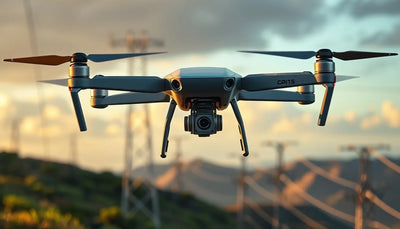
DJI Air 3S Firmware Update Lands With No Named Fixes
DJI pushed firmware v01.00.1900 to the Air 3S on November 13, alongside six other drone updates. None of the release notes name a specific fix, leaving fleet operators and buyers to weigh update risk without clear operational guidance.

Quick answer
DJI released firmware v01.00.1900 for the Air 3S on November 13, 2026, with one line of release notes and no named fixes, alongside updates for six other DJI drones.
- The Air 3S update arrived November 13 with no disclosed bug fixes or feature changes.
- Six other DJI drone models received updates the same day, also without named fixes.
- The lack of detail makes update timing a risk decision for commercial operators.
- Pre-owned DJI buyers should note firmware version when evaluating a used Air 3S.
Evidence: DroneXL.co
DJI buying context
Match product news to hardware you can actually deploy.
Check inspected DJI aircraft, repair support, and trade-in timing before deciding whether to upgrade, repair, or wait.

Verified facts
What the available evidence confirms
| Model | Firmware Version | Release Date | Named Fixes |
|---|---|---|---|
| DJI Air 3S | v01.00.1900 | November 13, 2026 | None disclosed |
| Six other DJI drones | Not specified | November 13, 2026 | None disclosed |
DJI pushed a new firmware build to the Air 3S on November 13, 2026, and the release notes offer almost nothing to work with. According to reporting from DroneXL.co, firmware v01.00.1900 arrived with a single line of notes and no named fixes, no listed feature changes, and no compatibility warnings. Six other DJI drone models received updates the same day, and none of those releases identifies a specific issue either.
For commercial operators, repair customers, and anyone tracking the pre-owned DJI market, that silence is itself a data point. Firmware updates can change flight behavior, battery management, transmission stability, and third-party workflow compatibility. When a manufacturer ships an update without saying what it does, the decision to install becomes a judgment call rather than a routine maintenance step.
What the source actually confirms
The central verified fact is narrow. DroneXL.co reports that DJI Air 3S firmware v01.00.1900 landed on November 13 with one line of notes. The same report states that six other DJI drones received updates that day, and none of the release notes names a fix. No official DJI changelog, support page, or agency confirmation is cited in the source data, so the reporting stands as the primary account of the rollout.
That matters because firmware documentation quality varies across DJI's product lines. Enterprise platforms sometimes receive detailed release notes with security patches, bug references, and operational guidance. Consumer and prosumer models more often get terse notes that leave pilots guessing. The Air 3S sits in that prosumer-to-light-commercial space, which means the absence of detail affects a broad range of users, from solo operators to small fleet managers.
Why silent firmware updates create operational risk
Fleet managers typically treat firmware updates as controlled changes. A documented fix for a gimbal issue, a battery communication fault, or a transmission dropout gives operators a reason to prioritize installation. Without that documentation, the update could be a minor background patch, or it could alter behavior that a commercial workflow depends on. The source does not provide evidence either way, so operators should treat v01.00.1900 as an unverified change until more detail emerges.
For repair customers, the timing is also relevant. A drone brought in for intermittent faults may behave differently after a firmware update, which can complicate diagnosis. Technicians often ask what firmware version a unit was running when a problem appeared. If a customer updates to v01.00.1900 before sending a drone in, the repair record should note that change. The lack of release detail makes it harder to rule firmware in or out as a contributing factor.
What this means for drone owners and the market
Owners of the Air 3S should log the current firmware version before applying v01.00.1900. If a drone is operating normally and is part of a revenue workflow, there is no documented reason to rush the update. If a unit is already showing symptoms that a firmware patch might address, the absence of release notes means the update is a gamble rather than a targeted fix. A cautious approach is to wait for community reports or a more detailed changelog before updating a primary work drone.
The pre-owned DJI market feels these updates indirectly. Buyers evaluating an inspected pre-owned Air 3S should ask which firmware version is installed and whether the seller updated it before listing. A unit sitting on older, stable firmware may be more attractive to a buyer who values predictability than a unit updated to an undocumented build. Sellers who rush every new firmware onto a listing drone without knowing what it changes can create unnecessary questions during a sale. For owners who want a professional assessment of a drone's condition before buying or selling, Reboot Hub offers DJI drone repair service diagnostics that can help establish a clean baseline. For owners evaluating service and lifecycle risk, DJI drone repair service explains the relevant repair, parts, resale, or operational path.
The broader market signal is subtle but real. DJI's practice of shipping multiple firmware updates in a single day, without detailed notes, suggests internal release cadence is prioritized over operator-facing documentation. That is not unusual for consumer electronics, but it is friction for commercial users who need change control. Fleet operators should build firmware logging into their maintenance routines, because an undocumented update on a work drone is still a configuration change that can affect insurance claims, client deliverables, and repair warranties.
What operators should do next
The practical response is not to panic or to ignore the update. It is to treat v01.00.1900 as an open item. Operators should record the current firmware version on each Air 3S in their fleet, note the date the new build became available, and decide whether any active job or repair situation justifies immediate installation. If a drone is grounded or already in for service, the update can be tested in a controlled environment. If a drone is generating revenue, waiting a few days for pilot reports is a low-cost hedge.
Repair customers should mention firmware version when opening a service ticket. A clear statement like "unit was updated to v01.00.1900 on November 14 before the gimbal drift appeared" gives a technician useful context. Without that, a repair shop may spend time chasing a hardware fault that was actually introduced or altered by a silent software change. Documentation is cheap; misdiagnosis is not.
Buyers in the pre-owned market should add firmware version to their inspection checklist. The Air 3S is a recent platform, and early units will begin appearing on the second-hand market in larger numbers. A unit with a clean maintenance history and a known firmware state is easier to value than one with an undocumented update history. Sellers who can show a stable firmware record and a recent diagnostic check will have an easier time justifying their asking price.
FAQ
Frequently asked questions
Did DJI say what the Air 3S firmware update fixes?
No. According to DroneXL.co, firmware v01.00.1900 shipped with one line of notes and no named fixes. DJI has not publicly detailed what the update changes.
Should I update my Air 3S to v01.00.1900 right away?
If your drone is working normally and is used for paid work, there is no documented reason to rush. Waiting for pilot reports or a more detailed changelog is a reasonable risk decision.
Does this firmware update affect the pre-owned DJI Air 3S market?
Indirectly, yes. Buyers should ask which firmware version a used Air 3S is running, and sellers should avoid applying undocumented updates before listing a drone for sale.
Which sources support this update?
The visible evidence links identify DroneXL.co; each source is used only for the claim it directly supports.
What remains subject to change?
Retail pricing, availability, product bundles and regulatory timelines can change. Readers should verify the latest terms with the named retailer, manufacturer or regulator before acting.
How should buyers or operators use this analysis?
Use the verified facts as a starting point, then compare mission fit, lifecycle support, maintenance needs and current procurement terms before making a purchase or fleet decision.
Konsultierte Quellen
- DroneXL.co - primary source
Zum Zeitpunkt der Veröffentlichung waren keine weiteren offiziellen Dokumentationen verfügbar.
Die Redaktion von Reboot Hub liefert Käufer-, Reparatur-, Wiederverkaufs- und Betriebsanalysen für Drohnenbesitzer. Sollten Sie einen Fehler finden, kontaktieren Sie uns für eine Korrekturprüfung gemäß unseren Redaktionsrichtlinien.