Chongqing Youth Drone Program Shows Early-Career Pipeline Growth
A youth drone career experience in Chongqing's Nan'an district combined basic flight instruction with application demonstrations. The event points to growing grassroots interest in commercial drone careers across China, with implications for future operator supply and fleet demand.

Quick answer
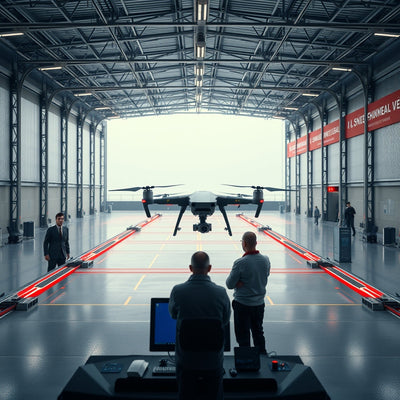
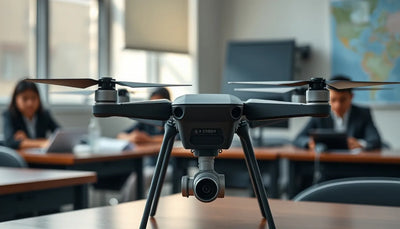
A youth drone career experience event in Chongqing's Nan'an district offered basic operation teaching and application demonstrations to young participants, according to Hualong Net.
- The event combined hands-on flight instruction with demonstrations of real-world drone applications
- It targeted young people, suggesting early exposure to commercial drone career paths
- The program reflects growing grassroots interest in drone operations in China
- No specific drone models, funding figures, or program scale were disclosed in the source
A youth-focused drone career experience in Chongqing's Nan'an district brought together basic operation teaching and practical application demonstrations, according to a report from Hualong Net. The event gave young participants direct exposure to how drones are flown and how they are used in real-world work settings. While the source does not detail the number of attendees, the specific equipment used, or the organizing bodies behind the program, the existence of the event itself is a meaningful signal for anyone watching commercial drone labor markets.
Market context
Turn market news into a buy, repair, or trade-in decision.
Compare pre-owned availability, resale timing, and repair economics before the market moves again.

For drone buyers, fleet operators, and repair businesses, early-career exposure programs matter more than they might first appear. A steady pipeline of newly trained operators influences hiring costs, training budgets, and the pace at which small and mid-sized commercial drone operations can scale. When local governments or educational institutions run these programs, they are effectively investing in the future supply of pilots and ground support staff. That supply, in turn, shapes how quickly drone services can expand in logistics, inspection, agriculture, and public safety roles.
What the Chongqing event actually shows
Hualong Net's reporting describes the Nan'an district activity as combining basic operation teaching with application demonstrations. That structure is common in early-stage drone workforce programs: participants first learn fundamental flight controls, then see how those skills translate into commercial or public-service use cases. The source does not specify which applications were demonstrated, whether they included mapping, inspection, delivery, or emergency response, or what level of certification the instructors held.
What is clear is that the event was framed as a career experience rather than a hobbyist gathering. That framing matters. It suggests that organizers see drone operation as a viable vocational path for young people in the region. For commercial operators elsewhere, this is a reminder that drone work is increasingly being normalized as an entry-level technical career, not just a specialized skill for engineers or former military pilots.
From a market perspective, Reboot Hub analysis views this type of program as a leading indicator of future operator supply. When youth training programs become routine, the labor pool for commercial drone work expands. That can lower per-hour pilot costs over time, but it also raises expectations around certification quality, safety culture, and repair literacy. Operators who hire from these pipelines may need to invest more in structured onboarding and equipment care training.
Why operator supply shapes drone economics
Commercial drone services depend on more than hardware. A drone that sits idle because no qualified pilot is available is a cost, not an asset. Fleet managers in agriculture, construction, energy, and logistics already understand this. Training programs like the one reported in Nan'an address the human side of that equation by introducing young people to flight operations before they enter the workforce.
The source does not provide data on how many participants went on to pursue certification, employment, or further training. Without that follow-up data, the commercial impact remains speculative. However, the direction of travel is consistent with broader patterns in China's drone industry, where commercial applications have grown rapidly and local governments have shown interest in supporting technical education.
For drone buyers, the practical takeaway is straightforward. If you are building a small fleet or planning to expand one, factor in operator availability as carefully as you factor in aircraft price, battery cycles, and spare parts. A lower-cost drone that requires a hard-to-find skilled pilot may end up costing more than a slightly more expensive platform that your existing team can fly safely and consistently.
What this means for drone owners and the market
Youth career exposure programs have a long-term effect on the pre-owned DJI market. As more people enter commercial drone work, demand for entry-level and mid-range platforms tends to rise. New operators often start with accessible, well-supported models before moving up to enterprise aircraft. That creates a steady churn of used equipment entering the secondary market, which is where inspected pre-owned units and genuine OEM spare parts become especially relevant.
For owners of pre-owned DJI drones, this dynamic cuts both ways. A larger operator base can support resale values for popular models, since there are more potential buyers. At the same time, more new pilots means more wear on training aircraft, more minor crashes, and more demand for professional DJI repair services. Operators who maintain their aircraft well and keep service records will be better positioned when they decide to sell or trade up. For those evaluating the pre-owned market, understanding repair history and part authenticity becomes a core part of the buying decision. Reboot Hub maintains a Drone Wiki that helps buyers and operators understand common maintenance and ownership questions before they commit to a purchase or repair. For owners evaluating service and lifecycle risk, Drone Wiki explains the relevant repair, parts, resale, or operational path.
Reboot Hub analysis: The Chongqing event also hints at how local governments may approach drone workforce development. If similar programs spread, regions with stronger training ecosystems could become hubs for drone service companies. That geographic clustering matters for fleet planning, because it affects where operators can find qualified staff, where repair facilities are likely to concentrate, and where used equipment markets will be most liquid.
What operators should watch next
The most important missing detail in the Hualong Net report is scale. A single youth career experience event is a small data point. What would make it commercially significant is repetition: more events, larger cohorts, partnerships with vocational schools, or links to certification bodies. Operators and buyers should watch for those signals rather than overreacting to one local program.
Another signal to monitor is whether youth programs in China begin to standardize around specific drone categories or manufacturers. If training curriculums align with particular platforms, that could influence which brands dominate entry-level commercial fleets in the coming years. For now, the source does not identify any equipment or brand affiliation, so no such conclusion can be drawn.
For fleet managers and repair customers, the actionable step is to treat operator training as a supply chain variable. If you operate in or near markets where youth drone programs are expanding, plan for a workforce that may arrive with basic flight skills but limited maintenance knowledge. Budget for structured onboarding, emphasize battery care and pre-flight checks, and build relationships with repair providers who can handle the higher service volume that comes with more active pilots.
FAQ
Frequently asked questions
What happened at the Chongqing youth drone event?
According to Hualong Net, the event in Nan'an district offered basic drone operation teaching and application demonstrations to young participants as a career experience. Specific details on attendance, equipment, or organizers were not included in the source.
Why should commercial drone operators care about youth training programs?
Youth training programs expand the future supply of drone pilots and support staff. A larger operator pool can reduce hiring friction and support fleet growth, but it also increases demand for structured onboarding, maintenance training, and reliable repair services.
Does this event affect the pre-owned DJI drone market?
Indirectly, yes. More new operators entering commercial drone work tends to increase demand for entry-level and mid-range platforms, which supports a healthy secondary market for inspected pre-owned units and genuine OEM spare parts. However, the source does not provide data to quantify this effect.
Which sources support this update?
The article distinguishes reported information from analysis and does not present an unverified source as official confirmation.
What remains subject to change?
Retail pricing, availability, product bundles and regulatory timelines can change. Readers should verify the latest terms with the named retailer, manufacturer or regulator before acting.
How should buyers or operators use this analysis?
Use the verified facts as a starting point, then compare mission fit, lifecycle support, maintenance needs and current procurement terms before making a purchase or fleet decision.
Konsultierte Quellen
- Source material - primary source
Zum Zeitpunkt der Veröffentlichung waren keine weiteren offiziellen Dokumentationen verfügbar.
Die Redaktion von Reboot Hub liefert Käufer-, Reparatur-, Wiederverkaufs- und Betriebsanalysen für Drohnenbesitzer. Sollten Sie einen Fehler finden, kontaktieren Sie uns für eine Korrekturprüfung gemäß unseren Redaktionsrichtlinien.