Army Opens Classified Counter-UAS Threat Briefings to Cleared Industry
The U.S. Army is inviting cleared industry representatives to classified counter-UAS threat briefings, a move that could reshape how commercial drone security risks are understood and communicated across the defense supply chain.

Quick answer
The U.S. Army is inviting cleared industry participants to classified counter-UAS threat briefings, according to DroneXL reporting.
- The briefings focus on counter-UAS threat information for cleared industry audiences.
- The development signals closer information sharing between the Army and defense suppliers.
- Commercial drone operators may see indirect effects on security expectations and procurement.
- Source-limited reporting means specific dates, locations, and access criteria are not yet detailed.
Evidence: AeroVironment unmanned systems solutions · Defense.gov official source · DIU Blue UAS
Fleet readiness
Keep DJI hardware available without overbuying new units.
Use defense and fleet news as a planning signal for repair support, inspected pre-owned aircraft, and replacement timing.

The U.S. Army is moving to bring cleared industry representatives into classified counter-UAS threat briefings, according to reporting from DroneXL. The development, first noted in industry channels this week, marks a meaningful step in how the military shares sensitive threat information with the companies that build, integrate, and support counter-drone technologies.
For commercial drone operators, fleet managers, and buyers tracking the defense side of the unmanned aircraft market, the announcement matters less for its immediate operational impact and more for what it signals about the direction of counter-UAS procurement, security expectations, and the broader relationship between military programs and the commercial drone ecosystem.
What the Army is reportedly doing
DroneXL reports that the Army has invited cleared industry participants to attend classified counter-UAS threat briefings. The reporting indicates the briefings are designed to expose industry partners to current threat information that would otherwise remain restricted to government and military audiences. The source material does not specify dates, locations, the number of industry slots available, or the precise clearance levels required for attendance.
The move reflects a growing recognition that counter-drone threats evolve faster than traditional acquisition cycles can respond. By bringing cleared industry into classified discussions earlier, the Army appears to be testing a model where suppliers gain deeper context on the threats their systems must address. Reboot Hub analysis suggests this could compress the feedback loop between operational threat reporting and engineering decisions, though the practical effects will depend on how broadly the briefings are opened and how frequently they occur.
Why counter-UAS threat sharing is shifting
Counter-UAS has become one of the most dynamic segments of the defense drone market. Small, commercially derived drones have been used in conflicts across multiple regions, and the threat landscape now includes modified consumer platforms, improvised payloads, and coordinated swarm tactics. For defense suppliers, understanding exactly how these threats are evolving is critical to building detection and mitigation systems that remain relevant beyond a single procurement cycle.
The Army's reported decision to host classified briefings for industry suggests an acknowledgment that proprietary threat assessments held entirely within government channels can slow down supplier responsiveness. When industry engineers lack visibility into real-world threat behavior, they may optimize for the wrong scenarios or miss emerging vulnerabilities. For commercial drone operators, this dynamic has an indirect but real consequence: counter-UAS technologies developed with better threat intelligence may eventually influence airspace security policies, event restrictions, and even the design expectations placed on civilian drone platforms.
What this means for drone owners and the market
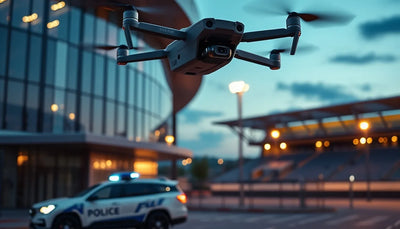
For most commercial drone pilots and buyers, classified Army briefings will not change day-to-day operations. But the development is worth watching because defense counter-UAS priorities have a history of shaping the commercial market. When military programs invest heavily in drone detection and mitigation, the resulting technologies often migrate into civilian security applications, airport protection, stadium security, and critical infrastructure monitoring. That migration can affect where and how commercial drones are allowed to operate.
Fleet operators who fly near sensitive sites, government facilities, or large public venues may see security postures tighten as counter-UAS capabilities improve and become more widely deployed. Buyers evaluating enterprise drone platforms should consider how evolving security expectations might affect flight approvals, geofencing behavior, and operational planning in urban or high-security environments. For those managing pre-owned DJI fleets or planning repair and maintenance budgets, the key takeaway is that defense-driven security trends can influence resale demand and the perceived longevity of certain platforms. Reboot Hub analysis suggests operators should monitor how counter-UAS policy discussions evolve, since procurement shifts in the defense sector often precede changes in civilian airspace management by months or years. For practical guidance on maintaining and supporting existing DJI equipment through changing market conditions, the Drone Wiki offers operator-focused reference material. For owners evaluating service and lifecycle risk, Drone Wiki explains the relevant repair, parts, resale, or operational path.
The pre-owned DJI market may feel these effects indirectly. If counter-UAS concerns lead to stricter operational rules in certain regions or around certain facilities, demand for specific drone models could shift based on how well they integrate with evolving compliance and security expectations. Sellers and buyers in the second-hand market should pay attention to which platforms remain viable for commercial work as security policies mature.
What to watch next
The source-limited nature of the DroneXL report means several important details remain unknown. The Army has not publicly detailed the briefing schedule, the selection process for industry participants, or whether the classified sessions will become a recurring program. Reboot Hub analysis treats the development as an early signal rather than a confirmed policy shift with defined parameters.
Commercial drone stakeholders should watch for follow-on reporting that clarifies the scope of industry participation, the types of threats discussed, and whether the briefings lead to new procurement language or technical requirements. If the Army expands the program to include more suppliers or publishes unclassified summaries of the threat environment, that would provide a clearer picture of how counter-UAS priorities are evolving. Until then, the practical guidance for operators is straightforward: treat defense counter-UAS developments as a leading indicator for civilian airspace security trends, and plan fleet decisions with the understanding that security expectations are unlikely to become more permissive in the near term.
FAQ
Frequently asked questions
What did the Army reportedly announce?
According to DroneXL reporting, the Army has invited cleared industry representatives to attend classified counter-UAS threat briefings, signaling closer information sharing with defense suppliers.
Will this affect commercial drone operators directly?
Not immediately. The briefings are classified and limited to cleared industry participants. However, counter-UAS technologies and policies developed from better threat intelligence can eventually influence civilian airspace security and operational restrictions.
Should drone buyers or fleet managers change anything now?
No immediate action is required. But operators should monitor counter-UAS policy developments as a leading indicator for future airspace security changes, especially if they fly near sensitive sites or plan long-term fleet investments.
Which sources support this update?
The visible evidence links identify AeroVironment unmanned systems solutions and Defense.gov official source and DIU Blue UAS; each source is used only for the claim it directly supports.
What remains subject to change?
Retail pricing, availability, product bundles and regulatory timelines can change. Readers should verify the latest terms with the named retailer, manufacturer or regulator before acting.
How should buyers or operators use this analysis?
Use the verified facts as a starting point, then compare mission fit, lifecycle support, maintenance needs and current procurement terms before making a purchase or fleet decision.
Konsultierte Quellen
- DroneXL via Google News - primary source
- AeroVironment unmanned systems solutions - official company source
- Defense.gov official source - official government source
- DIU Blue UAS - official government source
Die Redaktion von Reboot Hub liefert Käufer-, Reparatur-, Wiederverkaufs- und Betriebsanalysen für Drohnenbesitzer. Sollten Sie einen Fehler finden, kontaktieren Sie uns für eine Korrekturprüfung gemäß unseren Redaktionsrichtlinien.