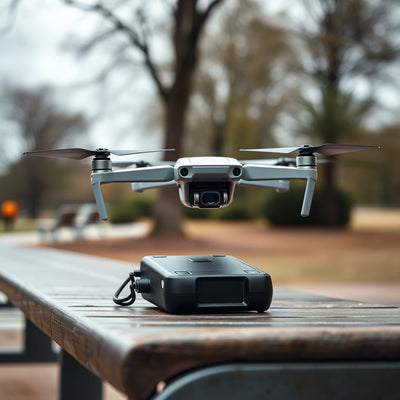
Amazon MK30 Drones Fly Over Markham While FAA File Stays in Draft
DroneXL reports 21 Amazon MK30 drones are already flying from Markham, Illinois, while the FAA's Chicago file still shows only a July draft with no decision. The gap between operational activity and published regulatory status matters for commercial operators watching delivery drone expansion.

Quick answer
Amazon is reportedly flying 21 MK30 drones from Markham, Illinois, while the FAA's Chicago file still shows only a July draft with no decision recorded as of October 14.
- DroneXL reported the operational flights on October 26, 2026.
- The FAA Chicago file was last updated October 14 and ends at a July draft.
- No final FAA decision appears in the published file.
- The gap between flights and published regulatory status is the central issue.
Evidence: DroneXL.co · FAA UAS official guidance
Operator checklist
Turn policy news into a safer fleet decision.
Before changing aircraft, compare repair paths, available DJI inventory, and trade-in timing against the rule change.

Verified facts
What the available evidence confirms
| Item | Reported status | Date |
|---|---|---|
| Amazon MK30 drones flying from Markham, Illinois | 21 drones reported operational | October 26, 2026 report |
| FAA Chicago file | Still shows July draft, no decision | Updated October 14, 2026 |
DroneXL reported on October 26 that Amazon is already flying 21 MK30 delivery drones from Markham, Illinois, in the Chicago suburbs. The report says the operational activity is underway even though the Federal Aviation Administration's Chicago file, last updated October 14, still ends at a July draft with no published decision. For commercial operators, repair customers, and anyone tracking delivery drone expansion, that gap between visible flight activity and a still-unresolved regulatory record is the story.
The situation highlights how fast commercial drone logistics can move in the field while the public-facing regulatory paper trail lags behind. DroneXL is the primary reporting source here, and the report does not include a confirmed FAA statement that the Markham operations received final approval. That absence is important. It means readers should treat the operational detail as source-reported and the regulatory status as unresolved based on the published file.
What the DroneXL report actually says
According to DroneXL, Amazon has 21 MK30 drones flying from Markham, Illinois, a suburb in the Chicago area. The report frames the activity as a notable step for Amazon's delivery drone program in the region. The MK30 is the model named in the report, and the number 21 is the fleet figure cited. No additional operational specifics, such as delivery volume, flight frequency, or customer coverage area, are included in the source data.
The FAA side of the story is more cautious. DroneXL says the FAA's Chicago file was updated on October 14 and still ends at a July draft with no decision. That means the publicly available file does not show a final determination tied to the Markham flights as of the report date. For a commercial audience, the practical takeaway is that visible drone activity does not always equal a completed, published regulatory approval.
Why the regulatory gap matters for commercial operators
Commercial drone operators in the United States are used to working inside a structured FAA framework. When a high-profile operator like Amazon appears to be flying in a market while the published file still shows a draft, it raises practical questions about how approvals, waivers, or interim authorizations are being handled. The DroneXL report does not claim the flights are unauthorized. It simply points out that the public file has not caught up to the reported activity.
For fleet managers and logistics planners, the lesson is to separate operational visibility from regulatory clarity. A drone flying over a suburb is observable. The underlying authorization may be less visible, especially if it sits in an unpublished approval path or a pending amendment. Reboot Hub analysis suggests this is a reminder that public FAA dockets are not always a real-time mirror of field operations. Buyers and operators should avoid assuming that a missing final decision means a program is stalled, just as they should avoid assuming that visible flights mean every compliance question is settled.
What this means for drone owners and the market
Delivery drone expansion in the Chicago suburbs is a signal that commercial drone logistics is moving deeper into residential markets. For independent operators, repair customers, and pre-owned DJI drone buyers, that shift has indirect but real consequences. More delivery activity tends to normalize drone presence in everyday airspace, which can influence local acceptance, insurance conversations, and the broader second-hand market for reliable commercial platforms.
Operators who fly smaller commercial or inspection drones in the same region should watch how Amazon's presence shapes local expectations around noise, routing, and community response. A fleet manager reading this report might reasonably decide to review their own documentation and confirm that every flight they run has a clear, current authorization trail, even if the public record elsewhere looks unfinished. For buyers evaluating pre-owned DJI drones, the relevant point is that demand for dependable, repairable platforms tends to hold when commercial drone activity expands nearby. Readers tracking that dynamic can consult the Drone Wiki for context on platform reliability and ownership considerations.
The pre-owned DJI market is not directly named in the DroneXL report, but the commercial logic is straightforward. As delivery drone programs grow, more operators and support businesses enter the airspace economy. That can support demand for inspected pre-owned DJI airframes and genuine OEM spare parts, especially among smaller service providers who need capable platforms without new-unit lead times. The Markham flights do not change DJI pricing overnight, but they reinforce a market environment where reliable hardware and professional repair support remain commercially relevant. For owners evaluating service and lifecycle risk, Drone Wiki explains the relevant repair, parts, resale, or operational path.
What to watch next
The next meaningful update will be any change to the FAA's Chicago file. If the file moves from the July draft to a final decision, that would close the gap DroneXL identified. If it remains unchanged while flights continue, the question of how the Markham operations are authorized will stay open for analysts and competitors alike. DroneXL's reporting does not set a timeline for that update.
For commercial operators, the practical step is to monitor the FAA docket directly rather than relying on flight sightings or social media clips. A repair customer or fleet buyer does not need to track every Amazon delivery route, but they should understand that regulatory visibility can lag behind operational reality. That awareness helps when planning routes, budgeting for compliance support, or deciding whether to expand into a market where a major logistics drone operator is already active.
FAQ
Frequently asked questions
Are the Amazon MK30 drone flights in Markham confirmed by the FAA?
No. DroneXL reported the flights, but the FAA's Chicago file still shows only a July draft with no decision as of October 14. The report does not include a confirmed FAA statement of final approval for the Markham operations.
What should a commercial drone operator do after reading this report?
Review your own authorization trail and confirm that every flight has clear, current documentation. Do not assume that visible drone activity in a market means the public regulatory file is complete or that a missing final decision means a program is stalled.
Does this affect the pre-owned DJI drone market?
Indirectly, yes. Expanding delivery drone activity can support broader commercial drone demand, which tends to keep inspected pre-owned DJI platforms and genuine OEM spare parts relevant for smaller operators and service providers.
Which sources support this update?
The visible evidence links identify DroneXL.co and FAA UAS official guidance; each source is used only for the claim it directly supports.
What remains subject to change?
Retail pricing, availability, product bundles and regulatory timelines can change. Readers should verify the latest terms with the named retailer, manufacturer or regulator before acting.
How should buyers or operators use this analysis?
Use the verified facts as a starting point, then compare mission fit, lifecycle support, maintenance needs and current procurement terms before making a purchase or fleet decision.
Konsultierte Quellen
- DroneXL.co - primary source
- FAA UAS official guidance - official regulator source
Die Redaktion von Reboot Hub liefert Käufer-, Reparatur-, Wiederverkaufs- und Betriebsanalysen für Drohnenbesitzer. Sollten Sie einen Fehler finden, kontaktieren Sie uns für eine Korrekturprüfung gemäß unseren Redaktionsrichtlinien.