Rosefinch TPS110M-M400 Tether Station Extends DJI Cleaning Drone Operations
The recently uncovered Rosefinch TPS110M-M400 tether station is designed to keep DJI cleaning drones powered continuously for high-rise exterior work. Operators evaluating this system must weigh upfront investment, payload limitations, and fleet compatibility against the operational benefits of uninterrupted flight.

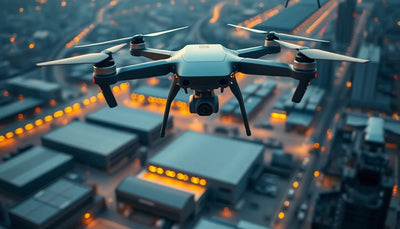
The commercial drone cleaning sector has long faced a fundamental constraint: battery life. Even the most efficient platforms require periodic landings to swap packs, interrupting cleaning cycles on large-scale high-rise facades. The appearance of the Rosefinch TPS110M-M400 DJI Tether Drone Station for Cleaning Drones, reported by Unmanned Systems Technology, signals a potential shift toward tethered operation for this specific application. While detailed specifications remain sparse, the product name alone suggests a power-and-data tether station built around DJI’s M400 series platforms, aimed squarely at the building maintenance industry.
For fleet operators, repair shops, and second-hand buyers, any new accessory that changes how a drone is used also changes how it is purchased, maintained, and eventually resold. This analysis examines what the TPS110M-M400 means for commercial drone operations today, and how it might influence decisions around equipment selection, repair budgets, and pre-owned market dynamics.
How tethered stations support commercial cleaning operations
The core value proposition of any tether system is simple: continuous power from a ground-based source eliminates the need for battery swaps during a mission. For a cleaning drone that must traverse a skyscraper face methodically, that translates into fewer interruptions and potentially consistent cleaning pressure throughout the job. The Rosefinch TPS110M-M400, as reported, is purpose-built for cleaning drones, implying that the tether solution is not a generic add-on but engineered for the specific payload and flight profile required for washing and drying building exteriors.
DJI buying context
Match product news to hardware you can actually deploy.
Check inspected DJI aircraft, repair support, and trade-in timing before deciding whether to upgrade, repair, or wait.

A tether station also provides a physical connection that can carry data for real-time monitoring of cleaning fluid levels, nozzle pressure, or camera feeds. This could allow ground-based operators to adjust parameters without relying solely on wireless telemetry, which can be spotty near large metal structures. However, the tether itself introduces new operational constraints: cable management becomes critical, especially in windy conditions or around architectural protrusions. The drone’s range is limited by cable length, and the ground station must be repositioned as the drone moves around the building.
For fleet managers, the decision to deploy tethered cleaning drones involves more than purchasing a station. It may require modifying existing DJI M400-series drones with tether interface kits, training personnel on cable handling, and evaluating site-specific safety plans. The Rosefinch station, as a dedicated product, reduces some integration guesswork, but buyers should still verify that their exact DJI model—especially if it is a pre-owned unit—is compatible with the tether mount and power delivery architecture.
Operational considerations for fleet managers
Adding a tether station to a cleaning drone fleet changes the maintenance equation. The tether cable itself is a wear item that must be inspected for kinks, abrasions, and connector damage after every job. The ground station requires routine checks of its power supply, cable spool mechanism, and grounding system. These tasks are distinct from standard drone battery maintenance and may require additional technician training. Repair shops that service tethered drones will need to stock cable replacement kits and understand the electrical interfaces between the drone and the station.
Safety is another dimension. A tethered drone cannot simply land autonomously if the cable snags; the pilot must manage the tether alongside flight controls. For cleaning operations near occupied buildings, a snagged cable could cause the drone to pull against its mooring, potentially damaging the building surface or the drone itself. Fleet operators should develop explicit standard operating procedures (SOPs) for tether deployment, retrieval, and emergencies, and ensure that every pilot on the team is trained on these procedures.
The reported Rosefinch station is positioned as a DJI M400-series accessory. The M400 platform is a well-known commercial workhorse, and tethered operation could extend its service life in cleaning fleets by reducing the number of battery charge cycles. However, tethered flight places different mechanical stresses on the airframe—constant tension on the tether mount, additional weight of the tether interface, and potentially longer continuous flight times—which may accelerate wear on motors, gimbal dampeners, and the UAV’s structural mounting points. Preventive maintenance intervals may need adjustment.
What this means for drone buyers
For buyers evaluating new or pre-owned DJI drones for cleaning applications, the Rosefinch TPS110M-M400 adds a specific consideration: future-proofing. If you plan to operate a cleaning drone for the long term, selecting a model that is tether-compatible from the start—or that can be retrofitted without excessive cost—makes sense. The M400 is a logical starting point, but even earlier M-series platforms may have retrofit options. Buyers of pre-owned DJI drones should request confirmation from the seller that the airframe has no damage to the battery bay or power distribution board, since tethered power feeds into those systems.
Second-hand market participants should note that a drone previously used in tethered cleaning operations may have different wear patterns than a typical survey or inspection UAV. The airframe may have been subject to prolonged flight hours without the intermittent rest that battery swaps provide, leading to increased heat exposure for electronics. Conversely, a tethered drone may have fewer total battery cycles, making its power system potentially more attractive if the rest of the airframe is in good condition. A thorough pre-purchase inspection by a professional DJI repair service can identify hidden thermal or structural stress.
Buyers who already own a fleet of cleaning drones should evaluate whether the operational savings from tethering justify the station purchase and any required airframe modifications. For smaller operators, the cost of the Rosefinch station may be significant, and the ROI depends on job volume. Larger fleets might consider a hybrid approach: using tethered drones for repetitive high-rise cleaning and keeping untethered units for smaller or more variable sites. In either case, the availability of a dedicated tether solution from Rosefinch suggests that the cleaning drone market is maturing enough to attract specialized accessories, which is a positive signal for long-term investment in this niche.
Implications for pre-owned DJI drones and repair ecosystem
The introduction of a tether station for cleaning drones creates ripple effects in the pre-owned DJI market. As commercial cleaning fleets adopt tethered solutions, they may sell off older untethered M400 units or drones with older battery systems. These pre-owned units could become attractive to budget-conscious operators in other sectors—such as agricultural inspection or mapping—where tethered flight is unnecessary. However, buyers should verify that the drone’s firmware and hardware are compatible with current DJI software and any regulatory requirements like Remote ID. A drone that has been heavily used in cleaning operations may also have residue from detergents or water ingress, so inspection of seals and electronic boards is essential.
From a repair perspective, tethered drones introduce new failure points. Cables, connectors, and ground station power supplies will require specialized diagnostics. Repair shops that expect to service these drones should invest in knowledge of tether system architectures, including voltage regulation and data line protection. The availability of OEM or compatible spare parts for the tether interface will be critical; if Rosefinch or DJI does not provide aftermarket support, repairs could become costly. Fleet managers should discuss warranty and repair coverage with their supplier before committing to a tether system.
Finally, the trade-in value of a DJI drone could be affected by tether compatibility. A drone that is easily convertible to tethered operation may command a premium in the cleaning sector, while one that requires expensive retrofitting may be less desirable. Operators planning to upgrade should consult a drone trade-in guide to understand how accessories and modifications impact resale value. As always, keeping detailed maintenance logs and using only genuine OEM components helps preserve the asset’s value.
What is the Rosefinch TPS110M-M400 tether station designed for?
Based on the reported product name and source summary, the TPS110M-M400 is a tether drone station specifically intended for DJI M400-series cleaning drones. It provides continuous power from a ground source, enabling uninterrupted flight during high-rise exterior cleaning applications.
Can the tether station be used with pre-owned DJI drones?
Compatibility depends on the specific drone model and its hardware condition. Pre-owned M400-series drones that have no damage to power systems and have proper mounting points are likely candidates, but buyers should have a professional inspection conducted before attempting tethered operation to verify electrical and structural integrity.
Will tethered use affect a drone’s resale value?
Yes. A drone adapted for tether flight may have higher flight hours but fewer battery cycles, and mounting points may show wear. In the cleaning drone market, tether capability could be a selling point, while in other sectors it may be irrelevant. Detailed maintenance records and proof of proper tether installation help maintain value.
Konsulterede kilder
- Rosefinch TPS110M-M400 DJI Tether Drone Station for Cleaning ... - primary source
Yderligere officiel dokumentation var ikke tilgængelig på udgivelsestidspunktet.
Reboot Hub Editorial tilføjer analyse af køb, reparation, gensalg og drift for droneejere. Hvis du finder en fejl, bedes du kontakte os for en korrekturgennemgang i henhold til vores redaktionelle politik.