Protolabs rozšiřuje výrobu dronů: Co by měli operátoři vědět
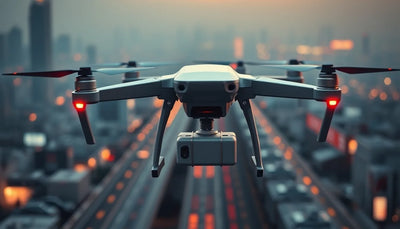
Protolabs rozšiřuje svou digitální výrobní kapacitu pro komponenty dronů. Tento posun ovlivňuje spolehlivost dodavatelského řetězce, dostupnost náhradních dílů a hodnotu použitých dronů DJI pro provozovatele flotil.

Digitální výrobce Protolabs oznámil rozšíření své výrobní kapacity zaměřené na průmysl dronů, podle zprávy Investing.com UK. Zatímco konkrétní detaily investice nebo zařízení zůstávají nezveřejněny, tento krok signalizuje širší trend: společnosti zabývající se drony stále více spoléhají na malosériovou výrobu na vyžádání, aby uvedly komponenty na trh rychleji a s nižšími počátečními náklady na nástroje. Pro provozovatele komerčních flotil, opravny a nákupčí působící na trhu s drony DJI má tento vývoj skutečné důsledky pro stabilitu dodavatelského řetězce, dostupnost náhradních dílů a dlouhodobé náklady na vlastnictví.
Protolabs je známý pro své rychlé vstřikování, obrábění CNC a služby 3D tisku. Rozšířením své výrobní kapacity specifické pro drony společnost sází na to, že OEM a dodavatelé dronů budou potřebovat spíše agilní výrobní linky než velké specializované továrny. Tento krok odráží strukturální posun ve způsobu, jakým se vyrábí hardware dronů – takový, kterému by kupující měli rozumět při plánování obnovy flotily nebo hodnocení použitého vybavení.
Co rozšíření znamená pro dodávky dílů pro drony
Jádrem oznámení je, že Protolabs věnuje více výrobních zdrojů do vertikály dronů. V praxi to znamená, že výrobci dronů mohou objednávat malé série konstrukčních držáků, držáků motorů, adaptérů užitečného zatížení a dalších neelektronických komponent, aniž by museli čekat měsíce na vlastní formu. Provozovatelům flotil, kteří se spoléhají na rychlé opravy, aby letadla mohla létat, může dostupnost takové výroby na vyžádání zkrátit prostoje.
Market context
Turn market news into a buy, repair, or trade-in decision.
Compare pre-owned availability, resale timing, and repair economics before the market moves again.

Je však důležité si uvědomit, že rozšíření nezaručuje levnější díly. Výroba na vyžádání obvykle přináší ve srovnání s hromadnou výrobou prémii za jednotku. Výhodou je flexibilita: pokud dojde u konkrétního komponentu na skladě OEM, může být výrobce schopen znovu objednat malou sérii prostřednictvím služby, jako je Protolabs, než aby nechal operátory napospas. Pro použitý trh s drony DJI je to důležité, protože díly starších modelů nemusí být sériově vyráběny donekonečna. S rozšířenou digitální výrobní kapacitou lze životnost dronu prodloužit až o tři až pět let v závislosti na složitosti dílu.
Operátoři by se měli zeptat svých servisních partnerů, zda používají digitální výrobní služby pro starší komponenty. Pokud ano, skupina dostupných profesionální opravárenské služby DJI může být schopen získat náhradní díly, které by jinak zmizely z oficiálních katalogů.
Co to znamená pro kupce dronů
Analýza Reboot Hub: Pro každého, kdo uvažuje o koupi použité drony DJI, je rozšíření Protolabs pozitivním signálem pro dlouhodobou podporu. Když je výrobní kapacita pro komponenty dronů distribuovanější a agilnější, snižuje se riziko, že se konkrétní drak letadla stane sirotkem. U modelu dronu se standardizovanými montážními body a společnými specifikacemi materiálů je pravděpodobnější, že budou kompatibilní náhrady vytvořeny prostřednictvím digitálních výrobních služeb roky poté, co byl model ukončen.
Kupující by si stále měli ověřit dostupnost komponent konkrétního modelu u prodejce nebo v opravárenském středisku, ale celkový trend v odvětví směrem k flexibilní výrobě podporuje investice do použitých draků. The průvodce výměnou dronů může operátorům pomoci vyhodnotit, zda by jejich současnou flotilu bylo možné modernizovat a zároveň zachovat hodnotu, zejména pokud se očekává, že podpora náhradních dílů od digitálních výrobců vydrží.
Stabilizovat se mohou také ceny ojetých jednotek. Pokud zůstanou náklady na opravy zvládnutelné, protože výroba na vyžádání udržuje kritické díly dostupné, hodnoty z druhé ruky se nezhroutí kvůli náhlému nedostatku dílů. To je zvláště důležité pro podnikové operátory, kteří drží platformy tři až pět let.
Důsledky pro škálovatelnost vozového parku a ekonomiku oprav
Manažeři flotil často čelí napětí mezi standardizací jednoho draku letadla a dostatkem zásob náhradních dílů, aby flotila mohla létat. Rozšíření Protolabs naznačuje, že OEM a nezávislé opravárenské stanice mohou považovat výrobu komponent za variabilní náklady spíše než za fixní závazek. Pro flotilu, řekněme, inspekčních dronů 20 to znamená, že pokud se konkrétní díl rozbije na třech jednotkách, lze objednat malou dávku, aniž by OEM trval na minimálním množství, které daleko převyšuje potřebu.
Z hlediska ekonomiky oprav možnost objednat pouze kopie 10 kritického držáku namísto 500 snižuje náklady na přepravu zásob pro opravny. Tyto úspory lze přenést na koncové zákazníky, nebo alespoň zabránit cenovým špičkám, když díl opustí oficiální výrobu. Rozšíření přímo neovlivňuje náklady na elektroniku OEM – senzory, letové ovladače a motory zůstávají proprietární – ale konstrukční části a součásti skříně jsou více komoditovatelné.
Stojí za zmínku, že průmysl dronů historicky trpěl dlouhými dodacími lhůtami pro maloobjemové plastové a kovové díly. Pokud Protolabs mohou zkrátit typické dodací lhůty z týdnů 8–12 až na týdny 2–3 pro objednávky specifické pro drony, provozní dopad na pracovní postupy oprav je významný. Dron, který by byl uzemněn na dva měsíce, by mohl být znovu v provozu za méně než měsíc.
Co by teď měli operátoři dělat jinak
Vzhledem k tomuto vývoji by komerční provozovatelé dronů a správci flotil měli:
- Prohlédněte si aktuální seznam dílů jejich vozového parku a zjistěte, které komponenty jsou pravděpodobnými kandidáty na digitální výrobu. Běžnými příklady jsou strukturální ramena, přistávací zařízení a kryty kamer.
- Zeptejte se jejich servisního partnera nebo interního týmu údržby, zda mají vztahy s digitálními výrobci, jako jsou Protolabs. Pokud ne, zvažte certifikaci alespoň jednoho dodavatele, který to dělá.
- Při vyhodnocování nákupu použitého dronu zkontrolujte, zda jsou pro tento model stále dostupné neelektronické náhradní díly prostřednictvím digitální výroby. To je dlouhodobě silnější signál než skladová dostupnost OEM.
- Zahrňte rozšířenou výrobní kapacitu do kalkulací celkových nákladů na vlastnictví. Dron, který lze levně opravit další dva roky, má nižší efektivní roční náklady.
Rozšíření Protolabs je vylepšením na straně nabídky, nikoli zárukou. Ale naklání poměr rizika a odměny ve prospěch operátorů, kteří si svá zařízení nechávají déle. V kombinaci s pěstováním použité drony DJI V následujících šesti až dvanácti měsících stojí za to sledovat důsledky pro ekonomiku vozového parku.
FAQ: Výroba dílů pro prototypy a drony
Znamená rozšíření Protolabs, že všechny díly dronů budou levnější?
Ne nutně. Digitální výroba na vyžádání obvykle přichází s cenou za jednotku ve srovnání s velkoobjemovým vstřikováním. Hlavní výhodou je flexibilita a kratší dodací lhůta, nikoli nižší náklady na kus. Operátoři mohou zaplatit o něco více za držák vyrobený prostřednictvím 3D tisku nebo obrábění CNC, ale ušetří na riziku zásob a prostojích.
Jak to ovlivní hodnotu prodeje starších dronů DJI?
Pokud digitální výrobci dokážou vyrobit kompatibilní konstrukční díly pro ukončené modely, sníží se vnímané riziko vlastnictví starší platformy. Tato stabilita může podpořit vyšší ceny při dalším prodeji, protože kupující vědí, že náhradní díly zůstávají dostupné i po vyčerpání zásob OEM. Efekt bude nejvíce patrný u draků se standardizovanými montážními geometriemi.
Mám odložit nákup ojetého dronu a počkat na novější modely?
Není žádný pádný důvod odkládat nákup pouze kvůli tomuto rozšíření výroby. Trend směrem k flexibilní výrobě dílů je již aktivní a jeho výhody se budou časem kumulovat. Pokud najdete ojetý dron DJI v dobrém stavu s jasnou servisní historií a dostupností kompatibilních dílů, přesun Protolabs jednoduše sníží riziko, že za tři roky zůstanete bez možnosti opravy.