DJI O4 Wide Air Unit: Broader View, Same Lightweight FPV Foundation
DJI expands its FPV lineup with the O4 Wide Air Unit, swapping the standard lens for a 159-degree field of view while retaining 4K recording and low-latency transmission. What this means for drone builders, buyers, and the pre-owned market.

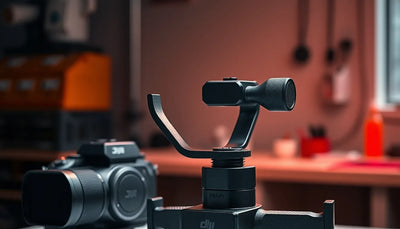
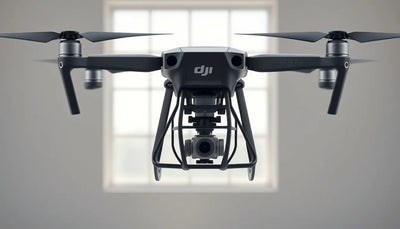
Sometimes a wider view can make a bigger difference than a better camera. That is the thinking behind DJI’s latest addition to its FPV lineup. The company has introduced the DJI O4 Wide Air Unit, an ultra-wide version of the O4 Air Unit that swaps the standard camera lens for a much broader 159-degree field of view. Everything else that made the original appealing, including its lightweight design, 4K recording, and low-latency digital video transmission, largely stays the same. This is not a fundamental re-engineering of the O4 system, but a deliberate optical variation aimed at FPV pilots who prioritise situational awareness and cinematic sweep over zoom or subject isolation.
For drone builders and fleet operators who have already invested in the O4 ecosystem, the arrival of a wide-angle sibling is notable. It signals that DJI recognises the diversity of flying styles within the FPV community, from proximity racing to large-scale cinematic shots. The 159-degree field of view is significantly wider than what most standard FPV cameras offer, meaning pilots can see more of their surroundings without moving the camera gimbal or the aircraft itself. This has practical implications for obstacle avoidance, chase footage, and interior or confined-space flight.
A deliberate optical shift
Rather than releasing a new air unit with higher resolution or longer range, DJI has chosen to keep the core electronics identical and alter only the lens assembly. This approach keeps production costs manageable and ensures that existing O4 accessories, such as antenna mounts and heat sinks, remain compatible. The trade-off is that the wide-angle lens introduces noticeable barrel distortion at the edges of the frame, a characteristic that many FPV pilots actually prefer for creating an immersive, first-person sensation. The 4K recording remains unchanged from the standard O4, so video quality is maintained, but the composition changes dramatically.
DJI buying context
Match product news to hardware you can actually deploy.
Check inspected DJI aircraft, repair support, and trade-in timing before deciding whether to upgrade, repair, or wait.

From a repair and spare parts perspective, this is important. The camera module of the O4 Wide Air Unit is not interchangeable with the standard O4 module. If you currently own a standard O4 and wish to upgrade to the wide-angle version, you will need to purchase the complete O4 Wide Air Unit as a replacement. This also means that repair customers should verify which exact camera module their O4 unit carries before ordering a replacement lens board. For shops and repair centres, stocking both variants may be necessary to serve the full O4 user base.
What this means for drone buyers
For anyone considering buying into the DJI FPV ecosystem, the O4 Wide Air Unit adds a clear choice. If you fly mostly in open fields, chase fast-moving subjects, or rely on tight obstacle proximity, the 159-degree field of view can give you a safety margin. You see branches, wires, and walls earlier. If you prefer a more natural perspective or fly for cinematic shots that require minimal distortion, the standard O4 lens may remain the better fit.
Buyers in the pre-owned DJI market should take note. As soon as the O4 Wide Air Unit becomes widely available, we may see increased listings of standard O4 units from pilots upgrading to the wider view. This could temporarily lower prices for used O4 Air Units, making them an attractive option for budget-conscious builders who intend to use the standard lens anyway. However, if your build specifically demands a wide-angle perspective, hunting for a pre-owned O4 Wide may not yield much inventory in the short term. Consider consulting a drone trade-in guide to understand the value of your current gear if you plan to switch.
For fleet operators managing multiple FPV drones, standardising on one lens type simplifies maintenance and pilot training. If your missions frequently involve indoor or dense environments, the O4 Wide could reduce collision risk enough to justify the unit cost. On the other hand, if your fleet flies primarily in open air, the standard O4 may still be the more cost-effective choice. Either way, the decision no longer rests solely on transmission quality or recording resolution, but on the optical character of the image.
Implications for repair and aftermarket services
The introduction of the O4 Wide Air Unit adds another SKU to the DJI FPV spare parts catalogue. Repair centres and DIY pilots alike must now distinguish between the standard and wide-angle camera modules when sourcing replacements. This is a good time to review your inventory of OEM-pulled parts and ensure you have access to both variants if you offer repair services to the FPV community.
If you rely on professional DJI repair services, be aware that not all repair shops may stock the wide-angle module immediately. Ask your service provider whether they have experience with the O4 Wide before sending in a unit for lens replacement. Because the transmission board and housing are shared, many repairs (such as antenna replacement, board repair, or firmware recovery) will be identical across both O4 versions. Only the optical assembly differs, but that difference is critical if you need a direct swap.
For second-hand drone buyers, the O4 Wide Air Unit also affects resale value calculations. A standard O4 unit may depreciate slightly as the wide version gains traction, but because the core electronics are the same, the standard unit will remain perfectly capable for many flying styles. The value distinction will likely be driven by demand from pilots who specifically need the wider field of view, not by any performance deficiency in the standard model.
Pre-owned DJI market perspective
The FPV air unit market is relatively small compared to all-in-one drones, but it is active among hobbyists, racers, and commercial cinematographers. The arrival of the O4 Wide Air Unit gives pre-owned buyers more options. If you are building an FPV drone on a budget, a used standard O4 unit might become more affordable, freeing up funds for better goggles or a more powerful frame. Alternatively, if you find a pre-owned O4 Wide unit from a seller who upgrades again, you could secure a premium lens at a discount.
When evaluating pre-owned DJI drones and components, always confirm whether the air unit is the standard or wide version. The lens itself is a physical identifier: the wide-angle variant has a more pronounced curved front element. Photos in listings can help verify this. As with any used electronics purchase, check for signs of crash damage, especially near the lens mount, as a damaged lens can affect image quality even if the board works fine. A functional test with goggles is the best way to confirm that the 4K recording and low-latency transmission meet expectations.
From a fleet planning standpoint, the O4 Wide Air Unit may become the default recommendation for new FPV builds if pilots increasingly value obstacle awareness over a neutral perspective. However, the standard O4 will not disappear; it remains a solid choice for applications that favour linear, low-distortion images, such as mapping or line-of-sight inspection. The market will decide which lens characteristic dominates, but having both options strengthens the overall O4 ecosystem.
Will the O4 Wide Air Unit work with my existing DJI FPV goggles?
According to the source, the O4 Wide Air Unit retains the same low-latency digital video transmission as the standard O4. This implies compatibility with the same goggles that support the original O4 Air Unit, but the source does not provide an explicit compatibility list. Pilots should verify with DJI documentation before purchasing.
Can I upgrade my existing standard O4 to the wide-angle lens by swapping only the camera module?
The source indicates that the O4 Wide Air Unit swaps the standard camera lens for a 159-degree field of view, suggesting that the camera module and lens are assembled as a unit. The standard and wide modules are likely not interchangeable at the board level. A full air unit replacement appears necessary.
How will the O4 Wide Air Unit affect the resale value of my standard O4?
Increased supply of standard O4 units on the pre-owned market may temporarily lower resale prices. However, the standard O4 remains a capable product. The value difference will depend on buyer demand for the wider field of view. If you plan to sell, consider doing so before the wide version becomes widely available.