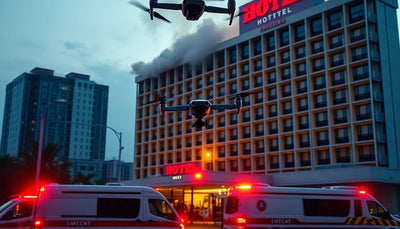
AeroVironment sníženo na Hold: Na co by se měli kupující dronů dívat
Analytik RBC Ken Herbert snížil klasifikaci AeroVironment (AVAV) z Buy to Hold, čímž snížil cílovou cenu na $180. Tento krok signalizuje opatrnost pro investory do obranných dronů a pro plánovače komerčních flotil, kteří sledují trh s ojetinami.

července 10, 2026, RBC Ken Herbert, analytik kapitálových trhů, snížil klasifikaci AeroVironment Inc. (NASDAQ: AVAV) z Buy to Hold, čímž snížil cílovou cenu z ZXQXQTKZ00056 Tento krok proběhl bez dramatického korporátního skandálu nebo ztráty zisku – místo toho odráží uměřené přehodnocení ocenění a očekávání krátkodobého růstu pro klíčového hráče v oblasti obranných dronů. Pro komerční provozovatele UAV, správce vozových parků a účastníky trhu s ojetými drony nabízí downgrade užitečnou optiku, pomocí které mohou prozkoumat, jak se může nálada na Wall Street zvlnit při rozhodování o nákupu, rozpočtech na opravy a hodnotách dalšího prodeje.
AeroVironment je nejlépe známý pro své taktické bezpilotní letouny, jako jsou systémy Puma a Switchblade, které hojně využívají americké a spojenecké vojenské síly. Zatímco její produkty patří do jiné kategorie než platformy DJI Mavic, Matrice a Phantom, které dominují komerčnímu a podnikovému segmentu, pokles akcií signalizuje širší opatrnost v oblasti obranných dronů – odvětví, které často ovlivňuje dostupnost dodavatelského řetězce, ceny a tempo cyklů obnovy technologií u komerčních operátorů, kteří se spoléhají na starší, dříve vlastněný ZXQXTK000.
Proč je downgrade důležitější než cena akcií
Downgrade RBC nezpůsobil konkrétní selhání produktu nebo regulační zásah. Místo toho Herbert snížil rating na Hold s cílem $180, čímž efektivně řekl institucionálním investorům, že poměr rizika a odměny v AeroVironment se posunul. Akcie pravděpodobně dosáhly předchozího optimismu ve výdajích na obranu a nový cíl naznačuje omezený růst oproti současným úrovním. Pro kupce dronů a provozovatele flotil je tento druh akce analytiků signálem k přehodnocení načasování nákupu nového vybavení, zejména pokud zvažují bezpilotní systémy obranné třídy nebo dominový efekt na širší dodavatelský řetězec dronů.
Market context
Turn market news into a buy, repair, or trade-in decision.
Compare pre-owned availability, resale timing, and repair economics before the market moves again.

Když významný výrobce obranných dronů vidí, že jeho zásoby jsou sníženy, může to znamenat pomalejší zadávání zakázek, než se očekávalo, delší cykly nasazení nebo sníženou prioritu vládních výdajů. Kterýkoli z těchto faktorů může vést k tomu, že přebytečný hardware proudí na trh s použitými materiály, což může potenciálně zvýšit dostupnost použitých dronů DJI a dalších komerčních bezpilotních prostředků, protože dodavatelé v oblasti obrany přesouvají pozornost. Naopak, pokud bude AeroVironment čelit růstové plošině, mohlo by to urychlit své prosazení na komerční trhy nebo trhy dvojího použití a vytvořit novou konkurenci pro kupce podnikových dronů.
Prozatím je downgrade neutrální až opatrný indikátor. Nevyžaduje okamžitou změnu nákupních plánů, ale vyžaduje pečlivější analýzu míry vyhraných zakázek a harmonogramů dodávek, než se zaváže k velkým flotilám systémů obranného stupně.
Co to znamená pro kupce dronů
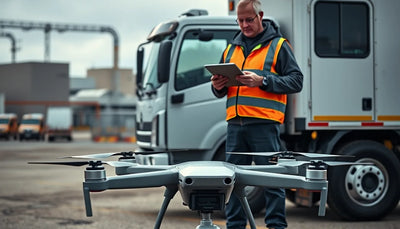
Pro komerční kupce dronů – zejména ty, kteří působí v oblasti průzkumu, inspekce, zemědělství a veřejné bezpečnosti – je snížení úrovně AeroVironment připomínkou, že nálada v ocenění může ovlivnit ceny a dostupnost na celém trhu UAV. Pokud opadne chuť k obraně, výrobci mohou přesměrovat více zásob do podnikových kanálů, čímž dočasně sníží ceny nových systémů. To by nyní mohlo poskytnout rozumný čas na vyjednávání o nových nákupech od jakékoli značky, včetně DJI, a na zvážení vysoce kvalitních použitých dronů DJI jako nákladově efektivní alternativy, zatímco se dynamika trhu ustálí.
Operátoři vozových parků, kteří čekali na rozšíření svého přístupu ke smíšené flotile, by měli sledovat, zda AeroVironment nebo jiní OEM orientovaní na obranu začnou nabízet agresivnější podnikové balíčky nebo programy výměny. Zpomalení zakázek na obranu často vede ke zvýšené propagační aktivitě v komerčním sektoru, z čehož mohou mít prospěch kupující použité drony DJI hledáte nedotčené zkontrolované jednotky s dostupností originálních náhradních dílů OEM.
Jedno s sebou s sebou na operátora: neuspěchejte rozhodnutí o nákupu velkých dronů na základě jediného snížení zásob. Místo toho jej použijte jako signál k prodloužení období due diligence o 30 až 60 dní, sledujte oznámení o přidělení smluv a porovnejte ceny napříč novými i již vlastněnými kanály. Pokud v současné době spoléháte na profesionální opravárenské služby DJI aby vaše stávající flotila zůstala letuschopná, zajistěte, aby byl váš rozpočet na opravy dostatečně flexibilní, aby absorboval jakékoli cenové úpravy v polovině cyklu, které mohou vyplynout z přesunu strategií zásob OEM.
Důsledky pro použitý trh DJI a ekosystém oprav
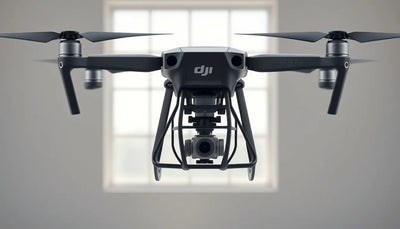
Trh s ojetými drony DJI historicky těžil, když výrobci UAV čelili protivětru. Investoři a správci flotil, kteří odebírají zisky z akcií AeroVironment, mohou přesměrovat kapitál do komerčních flotil dronů, zejména do již vlastněných platforem DJI, jako je Matrice 300 RTK nebo Mavic 3 Enterprise – modely, které se často obchodují na sekundárních trzích. Downgrade může také utlumit nadšení z konkurenčních IPO obranných dronů nebo fúzí SPAC a udržet pozornost na spolehlivých, široce podporovaných komerčních platformách od DJI.
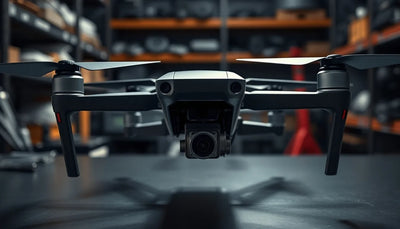
Pro zákazníky oprav, downgrade posiluje důležitost udržování náhradních dílů a strategie oprav nezávisle na cyklech výrobce originálního zařízení (OEM). Když se zásoby výrobce obranných dronů propadnou, může se stát, že doba obratu dodávek náhradních dílů a oprav bude méně předvídatelná, protože interní rozpočty se zpřísní. naproti tomu průvodce výměnou dronů procesy pro drony DJI zůstávají zakotveny v rozsáhlé instalované základně a ekosystému oprav třetích stran. Operátoři, kteří proaktivně obchodují se staršími jednotkami s nižší kapacitou za zkontrolované použité modely s originálními díly OEM, snižují své vystavení kolísání dodávek specifické pro OEM.
Další praktický důsledek: pokud se růst AeroVironment zpomalí, může snížit vlastní pobídky k výměně nebo upgradu pro vojenské zákazníky, což by zase mohlo snížit tok nedávno vyřazených obranných dronů na civilní trh. Kupující, kteří doufají v záplavu levných vojenských přebytečných UAV, možná budou muset změnit očekávání. Spolehlivějším zdrojem kvalitních použitých dronů zůstává cyklus modernizace komerční flotily, který je do značné míry nezávislý na pohybu obranného skladu.
Strategické plánování pro provozovatele vozového parku a manažery nákupu
Manažeři nákupu, kteří dohlížejí na smíšené flotily, které zahrnují jak DJI, tak specializované obranné platformy, by měli do svých modelů hodnocení rizik začlenit nálady analytiků. Downgrade RBC je jediný datový bod, ale připojuje se k vzoru opatrných hodnocení od jiných prodávajících firem v sektoru obranných dronů. Když několik analytiků sníží hodnocení nebo cenové cíle ve stejném období, může to signalizovat širší korekci v ocenění OEM, která často předchází výprodejům zásob, nabídkám prodloužené záruky nebo balíčkovacím slevám.
V takovém prostředí může být nákup čistě na ceně lákavý, ale kvalita a spolehlivost podpory zůstávají prvořadé. Downgrade neznamená, že produkty AeroVironment jsou chybné – pouze se změnila riziková odměna pro investory. Pro provozovatele vozových parků závisí ekvivalentní hodnocení na celkových nákladech na vlastnictví: obrat při opravě, dostupnost náhradních dílů, kontinuita školení a hodnota při dalším prodeji na konci životnosti platformy. Tyto faktory často upřednostňují platformy s hlubokými trhy s použitými produkty, jako jsou řady Matrice a Mavic Enterprise DJI, kde použité drony DJI jsou trvale k dispozici s dokumentovanou historií údržby.
Analýza Reboot Hub: A konečně, operátoři by měli přezkoumat harmonogram výměny svého vozového parku. Pokud downgrade povede k tomu, že AeroVironment nabídne měkčí ceny za nové jednotky, mohlo by to vytvořit příležitost získat schopnosti obranného stupně se slevou. Tato sleva však musí být zvážena s dlouhodobým horizontem podpory platformy. Snížení úrovně akcií je zřídkakdy terminální událostí, ale je to rozumná výzva k diverzifikaci zdrojů dodávek – zejména u náhradních dílů a opravárenských služeb – tak, aby jediná změna ocenění OEM neuzemnila váš vozový park.
FAQ: Snížení hodnoty akcií AeroVironment a dopad na trh s drony
Měl bych prodat své operace s drony AeroVironment kvůli downgradu?
Ne. Snížení je úprava investičního ratingu, nikoli výstraha týkající se bezpečnosti nebo schopnosti produktu. Pokud již systémy AeroVironment provozujete, pokračujte v jejich používání podle plánu, pokud neobdržíte přímou komunikaci od výrobce o změnách podpory. Použijte přechod na nižší verzi jako připomenutí ke kontrole zásob náhradních dílů a servisních smluv o opravách.
Má tento downgrade vliv na dostupnost nebo cenu použitých dronů DJI?
Analýza Reboot Hub: Nepřímo ano. Chladící zásoby obranného dronu mohou přesunout zájem investorů směrem ke komerčním platformám, což potenciálně zvýší poptávku po použitých dronech DJI. Efekt je však obvykle pozvolný a nezvyšuje cenu. Je pravděpodobnější, že ovlivní propagační strategie OEM než samotná tvorba cen na sekundárním trhu.
Jaká je nejlepší akce pro správce vozového parku po této zprávě?
Prohlédněte si svůj časový harmonogram nákupu vozového parku a rozšiřte možnosti získávání zdrojů. Zvažte použití a průvodce výměnou dronů upgradovat starší jednotky DJI na prověřené použité modely. Udržujte flexibilní rozpočet na opravy, abyste mohli využít slevy OEM, které mohou vyplynout z přesunu priorit zásob.
Konzultované zdroje
- Yahoo Finance market report - primary source
- AeroVironment investor relations - company investor information
Redakce Reboot Hub poskytuje vlastníkům dronů analýzy nákupů, oprav, prodejní hodnoty a provozu. Pokud narazíte na chybu, kontaktujte nás pro revizi opravy v souladu s našimi redakčními zásadami.