US targets DJI lookalikes with potential ban harsher than DJI itself
A new US ban proposal targets DJI copycat drones with even stricter rules than the original DJI ban. Learn what this means for drone buyers, fleet operators, and the pre-owned DJI market.

The US drone ban saga is taking an unexpected turn that could reshape the commercial drone market more dramatically than the original DJI restrictions. According to a recent report, lawmakers are now targeting "DJI lookalikes"—drone models that closely mimic DJI designs and components—with a ban that could be even harsher than the one proposed for DJI itself. This development, which emerged in late July 2026, signals a widening regulatory net that goes beyond any single manufacturer.
For drone buyers, fleet operators, and repair service customers, the implications are immediate and practical. A harsher ban on lookalikes could accelerate the shift away from Chinese-made drone hardware, tighten the supply of affordable alternatives, and drive up demand for pre-owned DJI drones and genuine OEM spare parts. Understanding what this proposal actually involves—and what remains uncertain—is essential for anyone planning drone purchases, maintenance, or fleet upgrades in 2026 and beyond.
What the proposal does and doesn't cover
The source report, which references the ongoing US drone ban debate, indicates that "lookalike" drones could face a ban that is even more restrictive than the one applied to DJI. While specific legislative language has not been published in the source material, the core idea is that the US government may expand its counter-UAS and national security regulations to include drones that are functionally or cosmetically similar to DJI models, even if they are sold under different brand names.
Operator checklist
Turn policy news into a safer fleet decision.
Before changing aircraft, compare repair paths, available DJI inventory, and trade-in timing against the rule change.

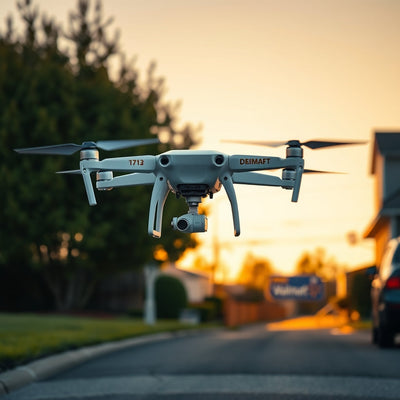
This matters because the market is full of such lookalikes—drones that use the same motors, camera modules, flight controllers, or even entire airframes rebranded from Chinese OEMs. Many of these models have been positioned as "DJI alternatives" to avoid the existing ban on DJI drones for US government use. If a harsher lookalike ban passes, these alternatives could become illegal to operate, import, or sell, potentially leaving operators with no straightforward replacement path.
It remains unclear whether the ban would cover only new sales, or also retroactively impact existing lookalike fleets. Operators who purchased these drones in good faith as DJI substitutes could be caught in the middle, facing grounding of their equipment without a clear grandfathering clause. This regulatory uncertainty already affects purchasing decisions today.
Impact on the pre-owned DJI market and supply chain
Reboot Hub analysis: If lookalike drones are banned more harshly, the demand for authentic, pre-owned DJI drones is likely to increase. Many commercial operators rely on DJI hardware because of its proven reliability, software ecosystem, and availability of genuine parts. When fake alternatives are removed from the market, the remaining supply of DJI units—especially those already in-service and in good condition—becomes more valuable.
Reboot Hub analysis: For buyers exploring the second-hand market, this is a critical signal. A tightening regulatory environment means that certified pre-owned DJI drones, such as those available through pre-owned DJI drones from Reboot Hub, are likely to hold their value better. Fleet managers who need to expand or replace aircraft should consider acting sooner rather than later, because prices for used DJI gear could rise as the supply of lookalike competition dries up.
Conversely, operators who already own lookalike drones may face an urgent need to transition to compliant hardware. This could trigger a wave of trade-ins and liquidations. Those looking to upgrade might benefit from reviewing the drone trade-in guide to understand how to get the most value from their current fleet before the ban takes effect.
On the repair side, the ban could complicate parts sourcing for lookalikes, which often use non-standard components. When OEM parts become scarce or illegal to import, repair costs rise and service options shrink. For DJI users, this reinforces the importance of using professional DJI repair services that rely on genuine OEM spare parts, ensuring compliance and reliability.
What this means for drone buyers
The most immediate takeaway for drone buyers is to avoid acquiring any newly manufactured lookalike drones until the regulatory situation clarifies. Even if a model appears to be a safe DJI alternative today, a harsher ban could render it a liability tomorrow. That risk extends not only to government and defense operators but also to commercial users in agriculture, construction, inspection, and media who might be caught by a broad definition of "lookalike."
For those currently in the market, the safest path is to purchase established DJI models through trusted pre-owned channels, where provenance and condition are verified. The pre-owned market offers a way to acquire DJI hardware at a lower cost while avoiding the brinkmanship of unregulated clones. Additionally, buyers should prioritize drones that have strong third-party repair support and access to genuine spare parts, as this reduces long-term operational risk.
Fleet managers should conduct an audit of all drones currently in service. If any units are lookalikes or clones, start planning a replacement timeline now. Consider that the ban might not provide a grace period, and even if it does, the disruption to parts and service could make continued operation impractical. Upgrading to compliant DJI models—or to other non-Chinese alternatives like the Teal or Skydio offerings, where applicable—is a prudent hedge.
Repair, compliance, and the future of lookalike drones
The repair ecosystem for lookalike drones is fragile. Many of these models rely on off-brand components that are difficult to source legally in the US, especially under impending import restrictions. Professional repair services that specialize in DJI hardware, by contrast, maintain inventories of genuine OEM parts and can certify that repairs meet original manufacturer standards. That certification is increasingly valuable as compliance becomes a factor in insurance and liability.
Operators who depend on lookalike drones for their day-to-day operations should start exploring transition strategies now. A phased approach might involve trading in lookalike units for pre-owned DJI drones, establishing relationships with certified repair shops, and ensuring that any future purchases come from a clear, traceable supply chain. This is not a time for speculation or bargain hunting on new clone hardware.
The regulatory direction is clear: the US is serious about eliminating foreign adversary influence in drone technology. While DJI itself faces restrictions, the lookalike ban signals that loopholes are being closed. For the commercial drone market, this means a narrower field of safe, legal, and repairable choices. Those who invest early in proven platforms and professional repair services will be better positioned to operate without interruption.
In the long run, the lookalike ban could accelerate the growth of a domestic drone manufacturing base, but that transition will take years. In the meantime, the pre-owned DJI market and the professional repair ecosystem serve as vital bridges for operators who need reliable, compliant hardware today.
FAQ
Does this lookalike ban apply to drones I already own?
The source does not specify retroactive applicability. However, similar bans have included grandfather clauses for hardware purchased before the effective date. It is advisable to monitor the legislation closely and prepare for the possibility that existing lookalike drones may require modification or replacement to remain legal.
Can I still buy a DJI clone from a non-US store?
Reboot Hub analysis: Importation is likely to be restricted under any ban targeting lookalikes. Even if you buy from a foreign seller, bringing the drone into the US could violate customs regulations. Avoid any purchases of lookalike hardware until the rules are finalized and clear.
What is the best alternative to a banned lookalike drone right now?
For most commercial applications, a pre-owned DJI drone from a verified source offers the best balance of performance, compliance, and repairability. Non-Chinese options like Skydio or Teal are available but may have limitations in payload compatibility and ecosystem maturity. Evaluate your specific mission requirements and consult with a professional repair service to choose the most future-proof platform.