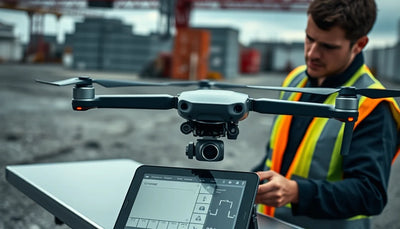
Ukraine’s Domestic Drone Industry Now Supplies 95% of Military Needs
Ukraine's homegrown drone industry now accounts for 95% of military procurement, according to UNITED24 Media. This rapid shift toward domestic production could influence global drone supply chains, second-hand markets, and commercial buying strategies. Fleet operators and repair customers should watch for emerging opportunities.

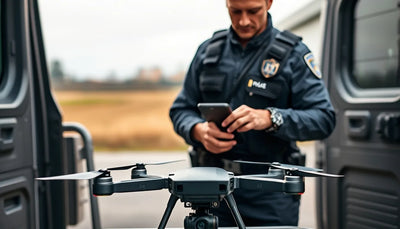
According to a report from UNITED24 Media, Ukraine’s homegrown drone industry has reached a striking milestone: it now supplies 95% of the country’s military drone procurement. This figure marks a dramatic transformation from just a few years ago, when Ukraine relied heavily on imported unmanned systems. For commercial drone buyers, fleet operators, and repair customers around the world, this rapid rise in domestic production carries implications that extend far beyond the battlefield.
The shift toward domestic drone production
Ukraine’s achievement is not simply a statistic; it reflects a deliberate national effort to build local manufacturing capacity under wartime conditions. The report from UNITED24 Media highlights the scale of this effort, though specific production numbers or manufacturer names are not provided. What is clear is that Ukraine has moved from heavy dependence on foreign suppliers—including DJI and other Western brands—to a situation where the vast majority of military drone purchases are filled by local producers.
This shift has been driven by a combination of urgent operational need, policy support, and grassroots engineering talent. Dozens of Ukrainian companies now design and assemble drones tailored to frontline requirements. The result is a highly adaptive industrial base that can rapidly iterate on designs and produce systems at volume. For commercial drone analysts, this model offers a case study in how national drone ecosystems can be built quickly when incentives are aligned.
Industrial drone procurement
Source a brand-new industrial drone for this mission.
Discuss mission fit, aircraft model, quantities, configuration, pickup, and lifecycle support with Reboot Hub.

The implications for global supply chains are significant. If other nations follow Ukraine’s lead, the demand for imported drones—particularly from dominant manufacturers like DJI—could soften in certain defense-related segments. That would reshape inventory flows and availability in the commercial second-hand market, especially for used DJI models that military operators may offload as they transition to domestic platforms.
What this means for drone buyers
For commercial drone buyers and fleet managers, the news from Ukraine suggests a few practical adjustments. First, the growing self-sufficiency of one of the world’s most active drone users could lead to a steady supply of pre-owned DJI drones entering the civilian market. Military units that previously flew imported systems may sell off those assets to fund local replacements. Buyers looking for pre-owned DJI drones should pay close attention to inventory changes over the next 12 to 18 months.
Second, the Ukraine example underscores a broader trend: governments are increasingly prioritizing domestic drone manufacturing. This could lead to new competition in the commercial drone space, potentially putting downward pressure on pricing for both new and used equipment. Fleet operators should evaluate their hardware strategy with an eye toward more diversified sourcing. The availability of genuine OEM spare parts becomes even more important as supply chains evolve, since older imported drones may need to be maintained longer.
Third, repair customers and service shops should prepare for a possible increase in requests to service ex-military DJI drones. These units may require specialized attention to firmware, battery health, and airframe wear. Having access to certified repair procedures and genuine components will be key to delivering reliable results.
Impact on global drone supply chains
Ukraine’s 95% domestic procurement rate does not exist in a vacuum. It signals that a country under high operational pressure can achieve near-total self-reliance in drone manufacturing within a relatively short timeframe. This example may influence defense procurement policies in Europe, Asia, and North America. As more national governments invest in local drone production, the global flow of commercial and tactical drones could shift.
For the second-hand market, an increase in supply from military sources is likely. Military drones typically have lower flight hours but may carry unique modifications or wear from field use. Professional buyers will want to verify the provenance and condition of any ex-military drone before purchase. A drone trade-in guide can help operators evaluate whether a used unit fits their fleet.
On the repair side, the shift toward domestic production in Ukraine may reduce the inflow of certain imported spare parts to the region, potentially creating supply bottlenecks for drones that remain in use. Fleet managers operating imported fleets should consider stocking essential components or building relationships with repair providers who maintain robust parts inventories.
Implications for the pre-owned DJI market
For readers who track the pre-owned DJI market, the Ukraine story is worth following closely. DJI drones were widely used by Ukrainian forces in the early stages of the conflict, and some of those units may eventually find their way into civilian hands. While this could offer buyers attractive pricing, due diligence on firmware, battery cycles, and airframe condition is essential. A drone that has seen combat may have hidden damage that standard visual inspections miss.
Reboot Hub’s approach to pre-owned inventory—each unit is individually inspected and tested—becomes especially relevant here. Whether you are a repair customer seeking a replacement unit or a fleet manager adding second-hand aircraft, you want assurance that the drone meets operational standards. Verified pre-owned DJI drones from trusted sources avoid the uncertainty of unknown provenance.
Finally, the broader lesson for drone professionals is to stay informed about global production trends. Ukraine’s achievement is a reminder that the drone industry is not static; supply lines can transform rapidly. Buyers, repair customers, and fleet operators who monitor these changes will be better positioned to make cost-effective and reliable decisions.
How does Ukraine’s homegrown industry affect commercial drone buyers?
Commercial buyers may see increased availability of pre-owned DJI drones as military units transition to domestic platforms. This could create opportunities for cost savings, but buyers should verify the condition and history of any ex-military unit.
Should fleet managers consider domestic drone alternatives?
While Ukraine’s model is specific to wartime needs, it highlights the viability of locally produced drones. Fleet managers in other countries may want to evaluate domestic suppliers as potential alternatives to established brands, particularly for specialized missions.
What about pre-owned DJI drones from conflict zones?
Such drones can be risky without thorough inspection. Reliable pre-owned inventory from professional sources—like inspected units from Reboot Hub—comes with the confidence of certified functionality, unlike unverified field retrievals.