Ukraine’s “Basic Level” drone mandate – what buyers and fleet operators need to know
Ukraine’s Defence Ministry launched the “Basic Level” project to guarantee a minimum number of drones per unit. This signals sustained military demand, affecting new-drone supply, repair readiness, and the used-drone market. Commercial buyers should reassess fleet durability and parts availability.

Ukraine’s Defence Ministry has announced the “Basic Level” project, a structured initiative to guarantee that every Defence Forces unit maintains a minimum number of drones. While the exact figures and timeline have not been disclosed, the policy confirms that military drone procurement is now a baseline requirement rather than a discretionary add-on. For commercial drone buyers, fleet operators, repair customers, and participants in the second-hand drone market, this shift carries direct and practical implications. Sustained government demand for UAVs tends to tighten new-drone supply, accelerate the turnover of used equipment, and put a premium on platforms that are easy to repair and support in the field.

What the “Basic Level” project signals for drone supply and demand
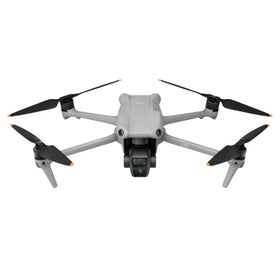
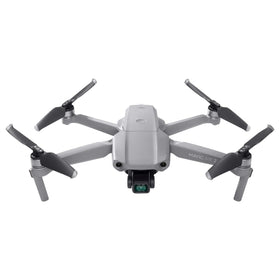
The Ukrainian Defence Ministry’s move to codify a minimum number of drones per unit reflects a broader trend in modern warfare: small unmanned systems are no longer supplementary but essential. The initiative, reported by Цензор.НЕТ, is not a single procurement order but a long-term planning directive. It means that state-backed buyers will continue to absorb new drones, parts, and support services for the foreseeable future. For the commercial sector, this creates a demand-side floor. New drone manufacturers and distributors may prioritize military contracts, especially for ruggedized, field-reliable models, potentially reducing supply for civilian enterprise buyers. Fleet operators buying for agriculture, inspection, or logistics may face longer lead times for certain popular models, particularly those also used in defense roles such as the DJI Matrice series or the DJI Mavic 3 Enterprise line. While the “Basic Level” policy focuses on Ukrainian units, its ripple effects extend globally because Ukraine sources drones from multiple international suppliers. Any shift in allocation toward military contracts can tighten the global wholesale pipeline, influencing prices and availability in other regions.
What this means for drone buyers
For commercial drone buyers, the key takeaway is that reliability, repairability, and parts availability now matter more than ever. If military buyers are competing for the same production lines, civilian buyers must plan for longer replacement cycles and invest in platforms that can be economically maintained. This means choosing drones with strong manufacturer support and a robust ecosystem of spare parts. According to the verified product database, the DJI Dock 3, for example, operates in a wide temperature range (-30 to 50 °C) and carries an IP56 rating—specifications that indicate a design built for harsh, continuous outdoor use. While the Dock 3 is a docking station rather than an airframe, its technical profile suggests the kind of durability that defense-minded buyers seek. Commercial operators who adopt similar rugged standards will face fewer unplanned downtimes and better long-term total cost of ownership. Buyers should also consider certified refurbished drones as a viable alternative to new inventory. Refurbished units from a trusted source can shorten procurement lead times and reduce upfront cost without sacrificing operational capability. Reboot Hub’s collection of certified refurbished DJI drones offers options that are tested, warranted, and ready for deployment—an increasingly attractive choice when new supply is pressured by institutional demand.
Fleet readiness
Keep mission-ready DJI hardware available without overbuying new units.
Reboot Hub helps teams source inspected pre-owned DJI platforms, repair genuine components, and keep essential spare parts moving.
Repair, parts, and second-hand market ripple effects
When a large military project like “Basic Level” is underway, the demand for repair services and genuine spare parts increases proportionally. Military units need to keep their fleets mission-ready, which drives up the consumption of common wear items such as propellers, batteries, gimbals, and mainboards. For the commercial aftermarket, this can mean tighter supply of OEM spares and longer lead times for non-urgent repairs. Fleet operators should review their internal maintenance schedules and stock critical spares ahead of peak demand periods. Having a relationship with a professional repair center becomes a strategic asset rather than a convenience. Reboot Hub’s professional DJI repair services use genuine parts and systematic diagnostics, providing a reliable backup when internal repair capacity is strained. Additionally, the second-hand drone market is likely to see increased turnover. As military units cycle through new procurement, they may release older but serviceable drones into the secondary market. Commercial buyers looking for cost-effective fleet additions should monitor pre-owned inventory carefully. However, caution is needed: used military drones may have undergone rigorous field use, meaning they require thorough inspection and possible component replacement before civilian deployment. Understanding the provenance of a used drone is critical. Reboot Hub’s OEM spare parts collection can help bring a used airframe back to reliable condition with authentic components. For sellers, the current environment is favorable: military demand can also absorb certain used platforms, so if you have a well-maintained fleet you are considering upgrading, now may be a good time to list.
Operational considerations for fleet managers
Fleet managers should use this news as a prompt to evaluate the resilience of their drone operations. If you rely heavily on models that overlap with military procurement, consider diversifying your fleet to include platforms with different supply chains or alternative form factors. The “Basic Level” project underscores that drones are now considered a baseline resource, which means any major buyer—government or corporate—should treat drones as an ongoing operational expenditure rather than a one-time purchase. Maintenance budgets must account for faster component replacement cycles and the potential need for expedited shipping of spare parts. Training programs should include basic field troubleshooting and parts replacement to reduce dependency on external repair shops for minor issues. Furthermore, consider the environmental envelope: the DJI Dock 3 technical specifications note a maximum landing wind speed of 12 m/s and a maximum operating altitude of 4500 meters. While these numbers are specific to a dock product, they illustrate the kind of performance data that matters when operating in demanding conditions. Fleet managers should benchmark their current drones against similar environmental tolerances and identify any gaps that could lead to mission failure in adverse weather. Investing in more rugged equipment now can prevent costly downtime later.
What is Ukraine’s “Basic Level” project for drones?
The Ukrainian Defence Ministry’s initiative requires that every Defence Forces unit maintain a guaranteed minimum number of drones. It aims to standardize drone readiness across the military, ensuring that no unit falls below a baseline UAV capacity. The exact numbers per unit have not been published, but the policy establishes drones as a core component of equipment rather than an optional addition.
How does this affect commercial drone buyers outside Ukraine?
Military procurement can strain global supply chains for popular drone models and spare parts. Commercial buyers may face longer lead times, higher prices for new units, or reduced availability of certain components. Planning ahead by sourcing refurbished units or building a stock of OEM spares can mitigate these risks.
What should a drone fleet operator do differently after reading this news?
Assess your fleet’s reliance on models also used in military roles. Review your spare parts inventory and repair contracts. Consider diversifying with certified refurbished drones to secure inventory without competing directly with military orders. Strengthen relationships with professional repair centers that use genuine parts to ensure long-term fleet sustainability.
From Reboot Hub
Keep mission-ready DJI hardware available without overbuying new units.
Reboot Hub helps teams source inspected pre-owned DJI platforms, repair genuine components, and keep essential spare parts moving.
Certified DJI drones
Inspected pre-owned aircraft with warranty coverage and clear condition grading.
Browse inventory ->Genuine-part repair
Diagnostics, repair planning, and component replacement for working DJI fleets.
Book a repair ->OEM spare parts
Batteries, propellers, gimbals, and essential DJI components for faster recovery.
Shop parts ->