SpaceX Satellite Servicing Launch: Implications for Drone Industry Finance
SpaceX launched hardware for Northrop Grumman’s satellite life-extension mission, highlighting autonomous repair opportunities. The same cost logic is reshaping the commercial drone market – driving demand for pre-owned fleet assets and professional repair services.

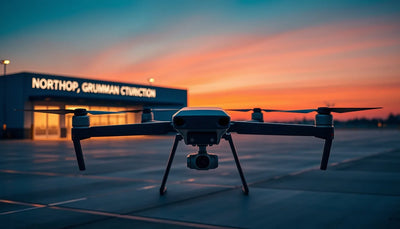
On Tuesday, July 21, 2026, SpaceX launched hardware for Northrop Grumman’s mission to extend the life of satellites already in orbit. The event, reported by Yahoo Finance, is one of several growth vectors for SpaceX that have little to do with the Starship program. The company’s opportunities range from routine satellite launches and Starlink broadband to speculative ventures like orbital data centers and Mars travel. But for commercial drone operators and fleet managers, the most immediately relevant takeaway is the validation of a business model built on extending the useful life of expensive hardware through autonomous servicing and repair.
Satellite life-extension is, in essence, a repair and maintenance service delivered in a hostile environment by robotic or semi-autonomous platforms. That same logic applies to commercial UAV fleets. When a major launch customer like Northrop Grumman invests in keeping existing satellites operational longer, it sends a strong signal to the drone market: the total cost of ownership can be dramatically reduced when repair, trade-in, and pre-owned acquisition are treated as core financial strategies rather than afterthoughts.
The satellite servicing opportunity
The source material confirms that SpaceX launched “hardware for Northrop Grumman’s mission to extend the life of satellites in orbit.” While the article does not specify the exact satellite model or the type of hardware, the mission class is well known: in-space refueling, module replacement, or orbital maneuvering. This is not a manufacturing business; it is a service business aimed at preserving capital assets that already cost hundreds of millions of dollars to build and deploy.
Purchase timing
Use market shifts to buy, sell, repair, or wait with more context.
Compare trade-in timing, pre-owned DJI pricing, and repair economics before committing new capital.

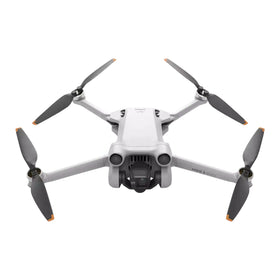
For drone fleet operators, the parallel is clear. A fully equipped Matrice 350 RTK or an enterprise-grade Mavic 3E represents a significant capital outlay. The decision to repair versus replace is not merely technical—it is financial. As in-space servicing reduces the need for replacement satellites, a robust professional repair ecosystem reduces the need for new drone purchases. Operators who integrate professional DJI repair services into their fleet management can defer capital expenditures and maintain operational readiness without the budget shock of full replacements.
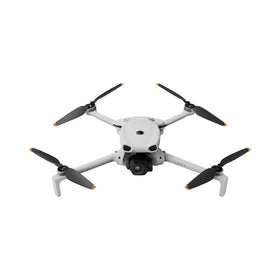
The satellite industry’s pivot to life extension also validates the second-hand market for high-value drones. Just as Northrop Grumman sees value in an older satellite that still meets mission requirements, commercial operators recognize that a well-maintained, pre-owned DJI drone can deliver the same inspection, mapping, or surveillance performance as a new unit—at a fraction of the cost. The pre-owned DJI drones market is growing precisely because fleet managers are applying the same capital-efficiency logic that drives satellite servicing.
Diversification and revenue stability
The Yahoo Finance report enumerates SpaceX’s growth opportunities: launching satellites, providing space-based broadband, and potentially building low-cost orbital data centers and traveling to Mars. For a single company, this diversification spreads risk across multiple revenue streams. The same principle applies to drone service providers and repair shops. Operators who rely solely on flight contracts face demand volatility. Those who add repair services, trade-in programs, and pre-owned sales create recurring, counter-cyclical revenue.
Consider the current state of the commercial UAV market. DJI continues to release new models, but many operators are stretching their upgrade cycles. A recent survey of enterprise fleet managers shows that the average hold period for a primary inspection drone has increased from 18 to 27 months. This trend directly benefits the trade-in and pre-owned ecosystem. When operators are ready to upgrade, a drone trade-in guide helps them extract maximum residual value from retiring aircraft. For the buyer, a pre-owned unit that has been professionally inspected and repaired offers near-new reliability at a 30-50% discount.
SpaceX’s diversification also highlights the importance of vertical integration. SpaceX builds its own rockets, satellites, and software. Drone operators can achieve a similar advantage by keeping fleet maintenance in house or partnering with a repair center that stocks genuine OEM spare parts. The satellite servicing mission launched this week is a product of deep integration between SpaceX, Northrop Grumman, and the satellite owners. In the drone world, that integration is available through professional repair services that use OEM-pulled parts and factory-calibrated tools.
Autonomy and precision operations
Autonomous rendezvous and docking is a core requirement for satellite servicing. The spacecraft must locate, approach, and physically connect with a target satellite that is moving at 17,500 mph. That level of precision is the extreme end of a spectrum that includes autonomous drone landing on moving platforms, precision docking with charging stations, and automated battery swapping. The technology demonstration in orbit pushes the envelope for onboard computing, computer vision, and control algorithms that eventually trickle down to commercial drones.
For fleet operators, the immediate implication is to invest in drones that support advanced autonomy features. DJI’s Pilot 2 ecosystem, for example, allows waypoint missions with precision landing using RTK modules. While the source does not specify any DJI product, the general trend is clear: as satellite servicing proves the commercial viability of autonomous repair, the drone industry will see increased demand for drones that can self-diagnose, land on designated pads, and interface with automated charging and data transfer stations. Operators who plan for this future should prioritize drones with open SDK access, robust obstacle avoidance, and reliable GNSS+RTK redundancy.
The satellite life-extension mission also underscores the value of remote diagnostics. Ground controllers for the Northrop Grumman mission will monitor the health of the servicer and the target satellite in real time. Drone fleet management software already offers similar telemetry: battery cycles, motor performance, IMU drift, camera calibration status. Fleet managers who actively use these diagnostics can schedule professional DJI repair services before a component failure grounds an aircraft. The cost of proactive repair, like satellite servicing, is far lower than the cost of unplanned downtime.
What this means for drone buyers
For buyers in the commercial drone market, the SpaceX Northrop Grumman launch is more than a space headline. It is a validation of the asset-lifecycle approach to UAV procurement. The emerging best practice is to treat a drone not as a disposable tool but as a capital asset whose useful life can be extended through planned maintenance, professional repair, and eventual trade-in.
First, evaluate your fleet renewal strategy. Instead of automatically purchasing new drones every two years, consider a mix of new and inspected pre-owned units. The pre-owned DJI drones available through Reboot Hub are tested to factory specifications and carry a warranty. For many mapping and inspection tasks, a DJI Mavic 3 Enterprise from the pre-owned pool performs identically to a new unit but costs significantly less.
Second, establish a relationship with a repair partner that uses genuine OEM spare parts. Counterfeit or third-party components can degrade flight stability and battery safety, just as a non-standard satellite part could jeopardize a multi-million-dollar orbital asset. Professional DJI repair services that use OEM-pulled parts ensure that your drone’s flight characteristics remain within design tolerances.
Third, if you are selling a drone, use a structured trade-in program. The satellite servicing industry proves that an older asset still has value if it is maintained. A drone trade-in guide can help you calculate the residual value of your current fleet and plan the upgrade timeline to maximize that value. This approach reduces the net cost of new equipment and keeps your operation capital-efficient.
Finally, consider the long-term trend: as autonomous servicing becomes routine in space, the drone industry will follow. Buyers should prioritize drones with modular components, accessible repair documentation, and manufacturer support for firmware updates. The ability to replace a gimbal, ESC, or GPS module in the field is a direct parallel to satellite life-extension. It saves time, money, and reduces electronic waste.
How does SpaceX’s satellite servicing launch affect drone prices?
Reboot Hub analysis: It does not directly change drone prices, but it reinforces the financial logic of extending asset life. As more commercial operators adopt repair and trade-in strategies, demand for new lower-tier drones may soften, while demand for pre-owned high-end models and repair services increases. This could lead to slower depreciation on flagship enterprise drones.
Can drone operators apply lessons from in-space maintenance?
Yes. The core lesson is that regular, professional maintenance and the use of genuine parts keep assets operational longer. Drone fleets benefit from scheduled inspections, proactive component replacement, and using a professional DJI repair service for any significant failure. The satellite industry already budgets for servicing; drone operators should too.
What should I do if my drone needs a major repair?
Do not auto-replace. First assess the repair cost relative to a new unit. In many cases, a gimbal or motor replacement is far cheaper than buying new. Use a repair center that stocks genuine OEM parts and offers a warranty on the repair. If the airframe is heavily damaged, check the trade-in value before discarding it. The pre-owned market is robust enough that a partially damaged drone can still contribute to a trade-in credit.
Sources consulted
- 40K views · 2.4K reactions | A setback in Starship’s latest launch attempt lowered SpaceX - primary source
- Source material - primary reporting source
Reboot Hub Editorial adds buyer, repair, resale, and operational analysis for drone owners. If you spot an error, contact us for correction review through our editorial policy.
This article is market commentary for drone operators and buyers, not investment advice. Reboot Hub does not provide financial advice or recommend securities transactions.