Shield AI to Acquire Echodyne in $5.3B Counter-Drone Radar Deal
Shield AI agreed to buy counter-drone radar maker Echodyne for up to $5.3 billion, raising $2.5 billion at a $28.8 billion valuation. The deal signals accelerating consolidation in drone detection and defense technology.

Quick answer
Shield AI agreed to acquire counter-drone radar maker Echodyne for up to $5.3 billion, raising $2.5 billion at a $28.8 billion valuation to fund the deal.
- Shield AI will pay up to $5.3 billion for Echodyne
- Shield AI raised $2.5 billion at a $28.8 billion valuation
- The deal targets counter-drone radar technology
- The acquisition signals consolidation in drone defense markets
Evidence: DroneXL.co · AeroVironment unmanned systems solutions · DIU Blue UAS
Purchase timing
Use market shifts to buy, sell, repair, or wait with more context.
Compare trade-in timing, pre-owned DJI pricing, and repair economics before committing new capital.

Shield AI has agreed to acquire counter-drone radar maker Echodyne for up to $5.3 billion, according to reporting by DroneXL.co published on November 9, 2026. To fund the transaction, Shield AI raised $2.5 billion at a $28.8 billion valuation, a move that places the defense technology company among the most heavily capitalized players in the autonomous systems and counter-UAS space.
The deal is one of the largest acquisitions in the drone-adjacent defense sector in recent memory. It brings together Shield AI's autonomy and artificial intelligence capabilities with Echodyne's compact radar systems, which are used to detect and track drones and other low-altitude threats. For commercial drone operators, fleet managers, and anyone watching the broader market for unmanned aircraft, the transaction is a signal that counter-drone infrastructure is now a mainstream, high-value category rather than a niche military add-on.
The deal at a glance
DroneXL.co reported that Shield AI will pay up to $5.3 billion for Echodyne, with the final amount likely tied to performance conditions or other closing terms that were not detailed in the source. The $2.5 billion capital raise at a $28.8 billion valuation indicates strong investor appetite for defense technology companies that combine hardware sensing with software-driven autonomy.
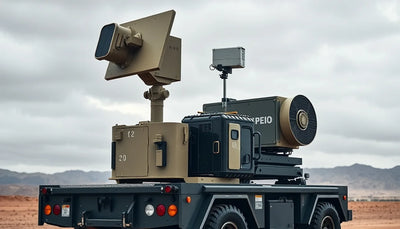
Echodyne specializes in compact, electronically scanned radar systems that can detect and track small drones, including those that may not be visible to traditional radar or optical sensors. This capability is increasingly relevant as drone traffic grows across commercial, public safety, and security applications. The practical implication for operators is that the technology layer designed to monitor airspace is now attracting the same level of investment as the aircraft themselves.
Why counter-drone radar is attracting this level of capital
Counter-drone radar has moved from a specialized military requirement to a broader infrastructure concern. Airports, stadiums, critical facilities, and public events all face questions about how to detect unauthorized drone activity. Echodyne's radar technology addresses that need with hardware that is designed to be compact enough for mobile or fixed deployment, though specific performance figures were not included in the source data.
For Shield AI, the acquisition likely extends its existing autonomy stack into the sensing layer. Shield AI has built its reputation on AI pilots and autonomous systems, and adding radar detection creates a more complete picture of the airspace. Reboot Hub analysis suggests this vertical integration pattern is becoming common in defense technology: companies that can both detect and respond to drone activity are positioned to win larger contracts than those focused on a single capability.
What this means for drone owners and the market
The consolidation of counter-drone technology has indirect but real consequences for commercial drone operators and buyers. As detection systems become more widely deployed, the expectation for responsible airspace behavior rises. Operators flying near sensitive sites, public venues, or critical infrastructure should anticipate more frequent encounters with radar-based detection systems, even if those systems are not visible to the pilot on the ground.
For fleet managers and procurement teams, the Shield AI-Echodyne deal is a reminder that the drone market is maturing beyond aircraft hardware. Airspace awareness, detection, and security are now investment-grade categories. Buyers evaluating long-term fleet plans may want to consider how detection infrastructure in their operating areas could shape flight approvals, insurance requirements, or site access. Those managing pre-owned DJI fleets or planning professional DJI repair budgets should monitor how security-focused technology adoption affects operational rules in their regions, and our Drone Wiki offers a practical reference for ownership and maintenance questions as the market evolves. For owners evaluating service and lifecycle risk, Drone Wiki explains the relevant repair, parts, resale, or operational path.
The deal also reinforces a broader market trend: defense and commercial drone ecosystems are converging. Technologies developed for military counter-UAS missions frequently find their way into civilian airspace management, while commercial drone activity creates demand for better detection. Operators who treat airspace awareness as part of their planning, rather than an afterthought, will be better positioned as this infrastructure expands.
What to watch next
Several questions remain open following the reported acquisition. The source did not specify a closing timeline, regulatory review requirements, or how Echodyne's existing customers and product lines will be integrated into Shield AI's operations. Those details will matter for anyone tracking the competitive landscape in counter-drone technology.
For commercial operators, the practical takeaway is to stay informed about where counter-drone radar is being deployed and how those deployments may affect flight planning. The capital flowing into this sector suggests that detection coverage will expand, not contract. Buyers, pilots, and repair customers should treat airspace awareness as a permanent feature of the drone economy rather than a temporary security measure.
FAQ
Frequently asked questions
What did Shield AI announce?
Shield AI agreed to acquire counter-drone radar maker Echodyne for up to $5.3 billion, according to DroneXL.co reporting published on November 9, 2026.
How is Shield AI funding the acquisition?
Shield AI raised $2.5 billion at a $28.8 billion valuation to pay for the Echodyne acquisition, as reported by DroneXL.co.
Why should commercial drone operators care?
The deal signals that counter-drone radar and airspace detection are becoming mainstream infrastructure, which could affect flight planning, site access, and operational rules for commercial operators over time.
Which sources support this update?
The visible evidence links identify DroneXL.co and AeroVironment unmanned systems solutions and DIU Blue UAS; each source is used only for the claim it directly supports.
What remains subject to change?
Retail pricing, availability, product bundles and regulatory timelines can change. Readers should verify the latest terms with the named retailer, manufacturer or regulator before acting.
How should buyers or operators use this analysis?
Use the verified facts as a starting point, then compare mission fit, lifecycle support, maintenance needs and current procurement terms before making a purchase or fleet decision.
Sources consulted
- DroneXL.co - primary source
- AeroVironment unmanned systems solutions - official company source
- DIU Blue UAS - official government source
Reboot Hub Editorial adds buyer, repair, resale, and operational analysis for drone owners. If you spot an error, contact us for correction review through our editorial policy.
This article is market commentary for drone operators and buyers, not investment advice. Reboot Hub does not provide financial advice or recommend securities transactions.