San Francisco Police Drone Expansion Raises Surveillance Concerns for Operators
San Francisco police are rapidly expanding drone use for emergency response, alarming privacy advocates. Commercial drone operators and fleet managers should watch for potential local regulations and public perception shifts that could affect operations and resale values.

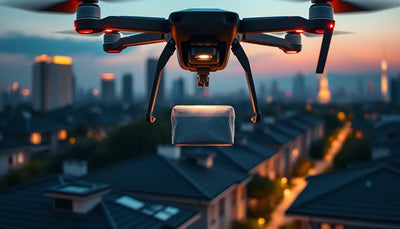
The San Francisco Police Department is accelerating its drone deployment for emergency response and tactical operations, according to a recent report from the San Francisco Chronicle. Critics warn that the rapid expansion raises surveillance and privacy risks for residents. For commercial drone operators, fleet managers, and buyers in the pre-owned DJI market, this development signals a shift in public perception and regulatory scrutiny that could influence everything from flight permissions to equipment resale values. Understanding the local dynamics is essential for making sound procurement and repair decisions in 2026.
What the SF police expansion actually entails
The San Francisco Chronicle reports that police drone use is expanding quickly, with drones being used for a growing range of emergency response calls. The department is investing in additional units and training more pilots. Critics cited in the article point to surveillance risks and the need for clearer oversight and transparency. While the article does not specify drone models or manufacturers, many law enforcement agencies in the United States have historically used commercial off-the-shelf platforms, including those from DJI, because of their reliability and camera performance. This public attention on policing applications can affect broader market conditions, especially if local governments move to restrict drone use in certain airspace. Fleet operators who do not serve public safety roles may find themselves facing new restrictions or public suspicion when flying near the Bay Area.
For repair customers and pre-owned equipment buyers, the key takeaway is that any regulatory tightening at a city level can reduce demand for certain drone models in secondary markets. If SF officials introduce new permitting or data-handling rules, some operators may offload their equipment, creating short-term shifts in supply. Savvy buyers should monitor local news for such trends before making purchasing decisions.
Fleet readiness
Keep DJI hardware available without overbuying new units.
Use defense and fleet news as a planning signal for repair support, inspected pre-owned aircraft, and replacement timing.

What this means for drone buyers
Commercial drone buyers—whether purchasing new or inspected pre-owned units—should factor local political sentiment into their fleet planning. The SF police expansion is a high-profile example of how drone technology is becoming intertwined with law enforcement, which can polarize public opinion. Buyers who use drones for construction, agriculture, or media work in the same region may encounter more restrictive local ordinances or community pushback, potentially limiting where they can fly. This is not a federal change but a local trend worth watching.
For those considering a pre-owned DJI drone, the timing could be advantageous if regulatory uncertainty temporarily depresses prices. However, buyers must also consider that future rules might require specific remote ID compliance or data storage standards. Ensuring that any pre-owned purchase includes current firmware and no outstanding privacy modification risks is prudent. Fleet operators should also evaluate their need for professional DJI repair services to maintain airworthiness and compliance as regulations evolve.
Privacy debates and regulatory ripple effects
The San Francisco Chronicle article captures concerns from privacy advocates who argue that the police department’s drone expansion lacks sufficient oversight. They warn that automated surveillance, facial recognition integration, or data retention policies could infringe on civil liberties. These concerns are not unique to SF; similar debates are taking place in cities across the United States and Europe. The outcome often leads to local ordinances that restrict drone operations for all non-recreational users, not just law enforcement.
Commercial drone operators should be aware that their flying may be affected even if they follow federal FAA rules. City councils sometimes pass drone-free zones over public gatherings, parks, or near schools. A cluster of such restrictions can make fleet planning more complex and reduce the operational utility of certain aircraft. For repair customers, the implication is that older drones without the latest geofencing or electronic identification capabilities may become harder to use legally in urban areas. Upgrading or trading in such units while demand remains steady is a wise strategy. The drone trade-in guide provides practical steps for evaluating when to move on from an airframe that may not meet future compliance needs.
Building a resilient drone fleet strategy
Given the police drone expansion and privacy debate, fleet managers should consider diversifying their equipment sources and maintaining flexibility. Relying on a single manufacturer may be risky if local procurement rules change or if public sentiment shifts. Inspected pre-owned DJI drones offer a cost-effective middle ground, allowing operators to acquire capable hardware at lower capital outlay without locking into a long-term new-equipment cycle. The ability to sell or trade-in existing units quickly becomes valuable when legislation shifts.
Separately, the repair ecosystem plays a critical role in extending the lifecycle of drones that are already in service. Using genuine OEM spare parts and professional repair services ensures that aircraft remain compliant with manufacturer specifications and can be resold or repurposed later. The SF news reminds us that demand for drone hardware is not static—it is shaped by news cycles and political actions. Operators who keep their equipment well-maintained and their paperwork current will be best positioned to navigate the next regulatory turn.
Finally, maintain a watching brief on local city council agendas and state-level drone bills. If San Francisco leads to broader California regulations, the effects on the pre-owned market could be significant. Buyers should look for units with clean logs, no unauthorized modifications, and clear provenance. In a climate of growing surveillance concern, a drone with a verifiable service history and original parts is easier to resell or repurpose across different use cases.
How will the SF police drone expansion affect the pre-owned DJI market?
Reboot Hub analysis: It may create short-term pricing softness if some operators exit the market due to new restrictions. However, long-term demand for reliable imaging drones remains strong for industrial and media use. The impact will depend on whether other cities follow SF’s model.
Should commercial drone operators in California change their flight plans now?
Not immediately, but they should monitor SF city legislation and any similar proposals. Operating with a clear understanding of local park and privacy ordinances is wise. Keeping firmware updated and remote ID compliant will help avoid future conflicts.
Is it still safe to buy a second-hand DJI drone if privacy laws tighten?
Yes, as long as the drone has no aftermarket surveillance modifications and its serial number is clean. Buying inspected pre-owned units from reputable sellers ensures compliance and eases resale later. Avoid drones with disabled geofencing or altered firmware.
Sources consulted
- San Francisco Chronicle SFPD drone expansion report - primary reporting source
- ABC7 SFPD drone privacy concerns report - secondary reporting source
- San Francisco citywide drone policy - official city policy source
- San Francisco Police Department official site - official police source
Reboot Hub Editorial adds buyer, repair, resale, and operational analysis for drone owners. If you spot an error, contact us for correction review through our editorial policy.