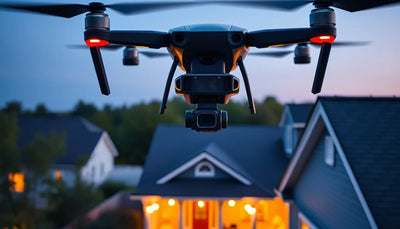
Rocklin Felon Indicted on Gun Charges After White House Drone Plot
A Rocklin felon linked to a reported White House drone plot faces gun and evidence-destruction charges, not drone conspiracy counts. The case highlights how drone incidents pull in broader criminal liability and shape public perception of commercial UAV operators.

Quick answer
A Rocklin felon tied to the reported White House drone plot was indicted on gun and evidence-destruction charges, with no drone conspiracy count filed.
- The indictment does not include a drone conspiracy charge, according to DroneXL.co reporting.
- No drone has been recovered in connection with the case, the source indicates.
- The charges center on firearms possession and alleged evidence destruction.
- The case may influence how commercial drone incidents are prosecuted and perceived.
Evidence: DroneXL.co
Market context
Turn market news into a buy, repair, or trade-in decision.
Compare pre-owned availability, resale timing, and repair economics before the market moves again.

A Rocklin, California man with a prior felony conviction has been indicted on federal gun and evidence-destruction charges in connection with a reported plot involving a drone near the White House, according to reporting by DroneXL.co. The indictment, dated August 29, 2026, notably does not include a drone conspiracy count, and the source reports that no drone has been recovered in the case.
The case has drawn attention across the commercial UAV community because it sits at the intersection of drone security, criminal enforcement, and public perception. While the legal action focuses on firearms and alleged efforts to destroy evidence, the underlying narrative remains tied to a high-profile drone incident near one of the most protected airspaces in the United States. For fleet operators, repair customers, and buyers in the pre-owned drone market, the case offers a reminder that drone-related incidents can trigger legal consequences far beyond aviation regulations.
What the indictment actually says
DroneXL.co reports that the Rocklin felon was indicted on charges related to gun possession and evidence destruction, not on a conspiracy count tied directly to the alleged drone operation. The absence of a drone-specific conspiracy charge is significant because it suggests prosecutors are building the case around conduct they believe they can prove, rather than around the drone activity itself. The source also notes that no drone has been located, which may explain why the indictment avoids drone-related conspiracy language.
For commercial operators, this distinction matters. A drone incident can generate headlines and trigger multi-agency scrutiny, but the actual charges may rest on unrelated criminal conduct discovered during the investigation. This pattern is not unique to the Rocklin case. Drone investigations often begin with an airspace violation or security concern and then expand into broader legal exposure, including firearms, evidence handling, or other non-aviation offenses. Operators who treat drone compliance as a standalone issue may be underestimating how quickly a single incident can pull in other legal vulnerabilities.
Why the missing drone changes the enforcement picture
The reported absence of a recovered drone is a practical detail with real investigative weight. Without physical hardware, prosecutors face a higher evidentiary bar for proving what the drone did, where it flew, or how it was operated. DroneXL.co's reporting indicates the case has moved forward on charges that do not require the drone itself as evidence. That is a useful lens for understanding how drone cases can proceed even when the aircraft is never found.
From a market perspective, this also highlights the importance of serial numbers, registration records, and flight logs. When a drone is lost, confiscated, or destroyed, the ability to trace ownership and operational history becomes critical. For buyers in the pre-owned DJI market, this is a quiet but important point: a drone with incomplete documentation or unclear ownership history can become a liability if it is ever connected to an incident. Inspected pre-owned aircraft with verifiable provenance reduce that uncertainty, which is one reason documentation matters as much as hardware condition in secondary-market transactions.
What this means for drone owners and the market
The Rocklin case is unlikely to change drone regulations on its own, but it reinforces a pattern that commercial operators should track. High-profile drone incidents near sensitive sites tend to produce two market effects. First, they increase public and political pressure for stricter enforcement, which can lead to more aggressive local ordinances, expanded no-fly zones, or tighter registration requirements. Second, they raise awareness among buyers and fleet managers about the importance of pilot accountability, flight logging, and hardware traceability.
Reboot Hub analysis: For operators who fly near urban areas, government facilities, or event venues, the practical takeaway is to assume that any incident will be investigated broadly. A drone flight that draws law enforcement attention may lead to scrutiny of the pilot's entire legal profile, including firearms, prior convictions, and record-keeping practices. This is not a reason to panic, but it is a reason to keep operational records clean and to treat compliance as part of a broader risk posture. Fleet managers should review how pilot background checks, flight logs, and aircraft registration records are maintained, because those records can become relevant in ways that have nothing to do with aviation law.
The pre-owned market also feels this indirectly. When drone incidents dominate headlines, some buyers become more cautious about purchasing used aircraft without clear documentation. Professional sellers who offer inspected pre-owned DJI drones with genuine OEM spare parts and transparent history are better positioned to reassure those buyers. The market signal here is not about a sudden price shift; it is about a gradual tightening of buyer expectations around provenance and accountability. For a deeper look at how security infrastructure around high-profile sites is evolving, see The White House Roof Becomes America S Most Advanced Drone Fortress.
Repair customers should also note the evidence angle. When a drone is involved in an incident, investigators may seek access to the aircraft, its storage media, and its repair history. A drone that has been serviced with undocumented third-party parts or modified in ways that are not reflected in its records can complicate an investigation. Using genuine OEM spare parts and keeping repair documentation current is not just a maintenance best practice; it is a form of operational hygiene that can matter if a drone is ever examined by authorities or insurance adjusters. For owners evaluating service and lifecycle risk, The White House Roof Becomes America S Most Advanced Drone Fortress explains the relevant repair, parts, resale, or operational path.
What operators should watch next
The Rocklin case is still developing, and DroneXL.co's reporting suggests the legal process will continue to unfold around the gun and evidence charges. The absence of a drone conspiracy count could change if new evidence emerges, but for now the case is a reminder that drone incidents are rarely simple. They involve overlapping legal, regulatory, and reputational layers that extend well beyond the flight itself.
Reboot Hub analysis: Commercial operators should monitor whether this case prompts any new security directives around Washington, D.C., or other restricted airspace. Even if no new regulation follows, the enforcement tone around drone incidents near sensitive sites is likely to remain strict. Buyers and fleet managers should also watch how insurance providers respond to high-profile drone cases, since underwriting questions about pilot background, flight logging, and aircraft documentation tend to become more detailed after incidents like this one.
The most practical step for any operator after reading this is to conduct a quick documentation audit. Confirm that aircraft registrations are current, flight logs are complete, pilot records are accurate, and any repairs are documented with genuine OEM parts. That is not a dramatic action, but it is the kind of quiet preparation that separates professional operations from casual ones when scrutiny arrives.
FAQ
Frequently asked questions
Was the Rocklin man charged with a drone crime?
No. According to DroneXL.co, the indictment focuses on gun possession and evidence-destruction charges, with no drone conspiracy count included.
Has the drone from the White House plot been found?
DroneXL.co reports that no drone has been recovered in connection with the case, which may explain why the indictment avoids drone-specific conspiracy charges.
What should commercial drone operators do after this case?
Operators should review their documentation, including registration, flight logs, pilot records, and repair history, and ensure any pre-owned aircraft has clear provenance and genuine OEM parts.
Which sources support this update?
The visible evidence links identify DroneXL.co; each source is used only for the claim it directly supports.
What remains subject to change?
Retail pricing, availability, product bundles and regulatory timelines can change. Readers should verify the latest terms with the named retailer, manufacturer or regulator before acting.
How should buyers or operators use this analysis?
Use the verified facts as a starting point, then compare mission fit, lifecycle support, maintenance needs and current procurement terms before making a purchase or fleet decision.
Sources consulted
- DroneXL.co - primary source
Additional official documentation was not available at publication time.
Reboot Hub Editorial adds buyer, repair, resale, and operational analysis for drone owners. If you spot an error, contact us for correction review through our editorial policy.