Orqa Delivers Advanced Military FPV Drone Training to Spanish Army
Orqa’s training team, alongside Spanish partners, completed an Advanced Military FPV Drone Operator Course for the Spanish Army, creating a self-sufficient network of specialist trainers using MRM2-10 drones.

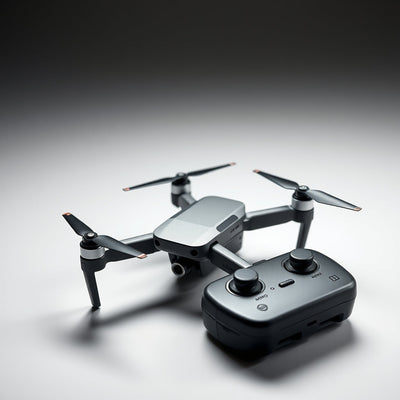
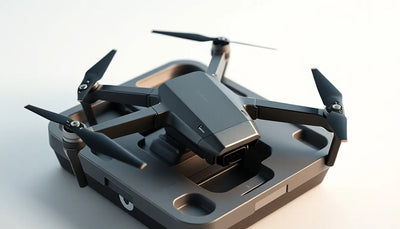
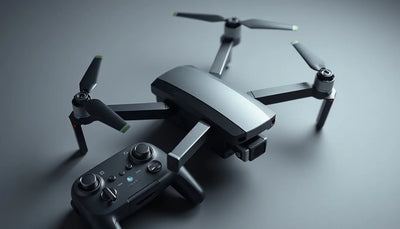
Orqa, a company known for its FPV drone hardware and training expertise, has delivered an Advanced Military FPV Drone Operator Course to the Spanish Army. According to SUAS News, the training was conducted by Orqa’s Training Team alongside their Spanish partners, and it established a self-sufficient network of specialist trainers within the Spanish Army. The course utilized Orqa’s flagship MRM2-10 drones, a platform designed for military-grade FPV operations. This move signals a significant step in the institutionalization of FPV drone capabilities within European defense forces, with potential ripple effects for commercial drone operators, fleet managers, and the broader second-hand drone market.
What the training program reveals about FPV adoption
The training course was not a one-off familiarization event but a train-the-trainer model. By creating a self-sufficient network of specialist instructors within the Spanish Army, Orqa has effectively embedded its technology and methodology into the military’s long-term training structure. This approach reduces reliance on external vendors for recurring training and ensures that knowledge is retained and passed down. For commercial fleet operators, this model is worth studying. Investing in internal training capability – rather than relying solely on external courses – can lead to more consistent skill levels and lower per-operator costs over time.
The use of the MRM2-10 drone is also notable. This is a purpose-built military FPV platform, not a modified consumer quad. Orqa’s decision to use a dedicated military model suggests that the Spanish Army is looking to standardize on a robust, mission-specific airframe. For drone buyers, this reinforces the importance of matching the platform to the operational environment. A commercial operator working in search and rescue or infrastructure inspection may similarly benefit from a platform designed for payload capacity and endurance rather than a general-purpose racing drone.
Fleet readiness
Keep DJI hardware available without overbuying new units.
Use defense and fleet news as a planning signal for repair support, inspected pre-owned aircraft, and replacement timing.

Implications for FPV training standards and certification
Military training courses set a high bar for pilot proficiency, risk management, and mission planning. The Orqa course almost certainly involved strict safety protocols, emergency procedures, and coordinated multi-drone operations. While commercial FPV training is less regulated, the bar is rising. In many jurisdictions, operating FPV drones beyond visual line of sight (BVLOS) or in complex environments requires documented competency. The Spanish Army’s adoption of a formal, advanced course may encourage regulatory bodies and insurance underwriters to demand similarly structured training for commercial FPV operations.
Drone buyers who already hold FPV pilot credentials should consider whether their training meets evolving expectations. A certified course that includes ground school, practical hands-on flying, and human factors training may become a differentiator in hiring and contract bids. Conversely, operators who rely solely on self-taught skills may find themselves at a disadvantage when bidding for government or enterprise contracts that require proof of training from recognized providers.
What this means for drone buyers
For anyone purchasing FPV drones – whether new, pre-owned, or as part of a fleet upgrade – the Spanish Army contract provides a benchmark. The MRM2-10 drones are not consumer products, but the design philosophy behind them is instructive: ruggedness, modularity, and easy maintenance. Buyers looking at the pre-owned DJI drone market for FPV platforms like the DJI FPV or Avata should evaluate whether those platforms can be adapted for mission-critical work. Military adoption of purpose-built FPV drones may also affect resale values of higher-end consumer FPV models if demand shifts toward hardened airframes.
Additionally, the training model suggests that buyers should consider total cost of ownership, not just purchase price. A drone that requires frequent part replacements or specialized repair services may not be ideal for a fleet that needs high availability. For operators who own DJI FPV drones, ensuring access to professional DJI repair services with genuine parts can extend the life of the platform and maintain operational readiness. Those considering a pre-owned purchase should factor in the condition of critical components like motors, flight controllers, and cameras, and consider using a drone trade-in guide to assess the value of their current equipment against potential upgrades.
Fleet planning and repair considerations for FPV operators
The self-sufficient training network established by Orqa also has implications for maintenance and repair. A military unit that trains its own pilots can also train its own technicians. For commercial fleets, building an in-house repair capability – or establishing a relationship with a trusted repair center – can reduce downtime and control costs. FPV drones, especially those used aggressively for training, experience high wear on frames, motors, and propellers. Having a stock of genuine OEM spare parts on hand is critical for mission continuity.
While Orqa provides its own support for the MRM2-10, operators using other FPV platforms, particularly pre-owned DJI models, should ensure that replacement parts are available and that repair technicians are familiar with the platform. The growing trend of military-grade FPV training may eventually lead to civilian adaptations of military maintenance protocols. Fleet managers would do well to adopt preventive maintenance schedules, component tracking, and repair logs. This is especially relevant for those operating mixed fleets that include both DJI and non-DJI drones.
For buyers in the second-hand market, a drone with a documented maintenance history from a reputable repair service is worth a premium. Conversely, a drone sold without evidence of professional inspection or part provenance carries higher risk. The Spanish Army’s structured approach to training and sustainment serves as a reminder that drone operations are only as reliable as the maintenance behind them.
Frequently asked questions
Will this military training affect commercial FPV drone prices or availability?
Indirectly, yes. As defense forces standardize on specific FPV platforms like the MRM2-10, demand for consumer and prosumer FPV drones may shift. We may see more military-surplus or used FPV gear entering the market after training cycles, but that is speculative. For now, commercial operators should focus on training quality and platform suitability rather than price fluctuations.
Should I buy a used FPV drone for commercial work?
It depends on the platform’s condition and your operational needs. A thoroughly inspected pre-owned FPV drone from a reputable seller can be cost-effective, especially for training or low-risk missions. Ensure that critical components like the flight controller, motors, and camera are in good condition and that genuine spare parts are available. Consider using a professional repair service for a pre-purchase inspection.
What training should a commercial FPV pilot have in 2026?
At minimum, you should hold a relevant remote pilot certificate (e.g., FAA Part 107 in the US or equivalent) and have completed a structured FPV course that covers airmanship, emergency procedures, and mission planning. Military-style train-the-trainer programs are not necessary for most commercial operators, but they set a high standard for proficiency. Look for courses that include hands-on flying with a dedicated flight instructor and provide a certificate of completion.
Sources consulted
Additional official documentation was not available at publication time.
Reboot Hub Editorial adds buyer, repair, resale, and operational analysis for drone owners. If you spot an error, contact us for correction review through our editorial policy.
This article is market commentary for drone operators and buyers, not investment advice. Reboot Hub does not provide financial advice or recommend securities transactions.