New York's $75M Police Drone Fund Excludes County Over ICE Clause
New York's $75 million LETECH program funds police drones and counter-drone gear, but an ICE clause locks out Rensselaer County. Its DJI/Autel fleet faces a federal squeeze, signaling new procurement hurdles for public safety operators.

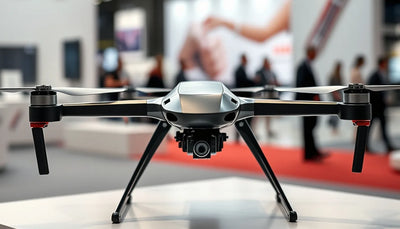
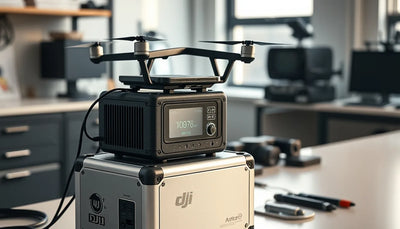
On July 24, 2026, DroneXL reported that New York State has committed $75 million under the Law Enforcement Technology (LETECH) program to supply police drones and counter-drone equipment across the state. But the funding comes with a hard political tether: a clause requiring cooperation with U.S. Immigration and Customs Enforcement (ICE). That clause has effectively locked out Rensselaer County, which operates a photographed fleet of DJI and Autel aircraft and already faces a federal squeeze over Chinese-made drones.
For fleet operators and buyers tracking the shifting ground of public safety drone procurement, this is not a distant policy squabble. It is a concrete signal that state dollars are increasingly tied to immigration enforcement compliance, and that federally sourced pressure on DJI and Autel equipment is intensifying from multiple directions at once. The commercial implications for pre-owned DJI drones, repair logistics, and fleet planning are immediate.
The LETECH program and the ICE clause
The LETECH program, administered by New York State, is designed to equip local law enforcement agencies with advanced drone technology and counter-UAS systems. The $75 million allocation is substantial—enough to outfit dozens of departments with new aircraft, ground control stations, and detection gear. However, the grant language includes a cooperation requirement with ICE, the federal immigration enforcement agency. Rensselaer County, which has a policy limiting such cooperation, cannot access a single dollar of the fund under current terms.
Fleet readiness
Keep DJI hardware available without overbuying new units.
Use defense and fleet news as a planning signal for repair support, inspected pre-owned aircraft, and replacement timing.

This is not an abstract legal wrinkle. For commercial fleet managers and procurement officers, the LETECH clause represents a new variable in grant eligibility. If your agency operates DJI or Autel drones—the most common platforms in U.S. public safety fleets—you must now weigh whether accepting state money could force a change in operational policy. The same calculus applies to private security firms that bid on government drone contracts.
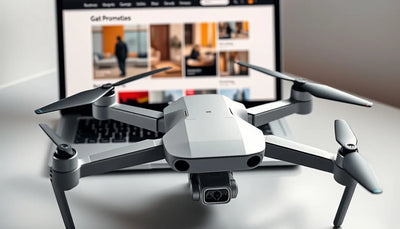
The source report notes that Rensselaer County's photographed fleet includes DJI and Autel models. Neither manufacturer is named in the clause, but the federal squeeze referenced in the report likely stems from ongoing U.S. government scrutiny of Chinese drone technology, including potential import bans and cybersecurity reviews. The county now faces a double bind: it cannot use state funds for new gear, and the gear it already has may become harder to support or replace.
Rensselaer County's DJI and Autel fleet under pressure
The county's reliance on DJI and Autel places it squarely in the crosshairs of federal policymakers. Multiple U.S. agencies have already restricted or banned DJI drones over data security concerns, and similar actions against Autel have been debated. The "federal squeeze" mentioned in the source likely refers to pending legislation or administrative rules that would prohibit the use of Chinese-made drones by law enforcement agencies receiving federal grants.
For operators who currently fly DJI Matrice, Mavic, or Enterprise models, or Autel EVO series aircraft, the immediate practical concern is parts availability and repair continuity. If federal restrictions tighten, OEM spare parts and authorized repair services for these platforms could become harder to source. That is where the commercial second-hand market and professional repair channels become critical. A well-maintained pre-owned DJI drone from a trusted stock that has been inspected and documented may retain its value longer than a new unit subject to uncertain import status. Similarly, operators should identify professional DJI repair services that use genuine OEM parts, ensuring airworthiness and compliance even as supply channels shift.
Rensselaer County's situation is a canary in the coal mine. Any public safety fleet manager running DJI or Autel equipment should prepare for a scenario where state grant eligibility and federal acceptability become misaligned.
What this means for drone buyers
For individual drone buyers, enterprise fleet operators, and repair customers, the LETECH exclusion carries several concrete lessons. First, procurement funding is no longer purely about technology readiness—it is about political and regulatory alignment. If you are purchasing drones for government subcontracts or public safety use, you must verify that the platform you choose does not conflict with grant conditions or agency policies.
Second, the pre-owned DJI market becomes a strategic hedge. As new DJI units face potential import hurdles or usage restrictions, inspected pre-owned aircraft that have already cleared customs and been logged in domestic inventories offer a level of supply certainty. Buying a pre-owned DJI drone from a reputable source avoids the lead time uncertainty of new imports and may also sidestep future compliance issues if the unit was imported before any ban takes effect.
Third, repair services matter more than ever. When a fleet is locked out of state funding and facing federal headwinds, keeping existing aircraft airworthy becomes the primary operational strategy. That means investing in genuine OEM spare parts and professional repair work rather than quick, uncertified fixes. Operators should research repair shops that document their parts sourcing and provide traceable maintenance logs.
What should a buyer or fleet manager do differently after reading this? Begin a self-audit of your drone inventory and funding sources. Identify which aircraft are DJI or Autel, which grant programs they were purchased under, and whether any ICE cooperation requirements apply to your jurisdiction. Then, assess the condition and documentation of your fleet. If a unit is nearing the end of its service life, consider a drone trade-in program to transition to a platform that aligns with current and anticipated funding rules.
Broader implications for public safety drone procurement
The LETECH program is not an isolated case. Other states—California, Texas, Florida—have their own technology grant programs, and many are considering similar compliance clauses tied to federal immigration enforcement. The fragmentation of drone funding means that a fleet operator in one county may have access to $75 million while a neighbor with similar equipment gets nothing. That disparity will distort the second-hand market: counties locked out of funds may sell off DJI and Autel fleets, increasing supply of pre-owned units, while funded counties buy new gear—potentially from non-Chinese manufacturers.
For repair businesses and parts suppliers, this creates both opportunity and risk. Demand for DJI and Autel OEM spare parts may rise as operators choose to extend the life of existing fleets rather than replace them under uncertain procurement conditions. At the same time, if federal bans materialize, the flow of genuine OEM parts could slow, making current inventory more valuable.
Fleet managers should consider diversifying their drone inventory across multiple OEMs. While DJI and Autel remain dominant in the public safety sector, American-made alternatives from Skydio, Teal, or others may gain traction as grant eligibility increasingly favors domestic supply chains. The trade-in channel mentioned earlier can help defray the cost of switching.
Finally, the Rensselaer County case underscores the importance of maintenance records and provenance. A drone with a clear, documented repair history using genuine parts will command a higher resale price and be easier to recertify for different operational roles. That is a direct incentive to choose professional DJI repair services over informal fixes.
Frequently asked questions
Can Rensselaer County use the LETECH funds if it replaces its DJI and Autel fleet?
Under the current terms, the funding is tied to an ICE cooperation clause, not to the drone brand. Unless the county changes its policy on immigration enforcement cooperation, it cannot access the $75 million regardless of which drones it operates. The federal squeeze on DJI and Autel is a separate issue that could affect the county's ability to maintain or upgrade its existing gear.
Will other New York counties face the same exclusion?
Any county that has adopted a policy limiting cooperation with ICE may be ineligible. The source report did not list other affected counties, but fleet operators should review their local policies and grant application terms carefully. The trend suggests that more states may tie technology funding to federal enforcement cooperation in the future.
Where can operators find compliant pre-owned DJI drones with reliable provenance?
Operators seeking inspected pre-owned DJI aircraft with documented service history can explore the selection at Reboot Hub. For fleets looking to trade in DJI or Autel drones as part of a compliance-driven transition, the drone trade-in guide provides a practical workflow for valuation, inspection, and replacement planning.
Sources consulted
- DJI – DroneXL.co - primary source
- Police Department – DroneXL.co - primary reporting source
- DroneXL.co - primary reporting source
- AeroVironment unmanned systems solutions - official company source
Reboot Hub Editorial adds buyer, repair, resale, and operational analysis for drone owners. If you spot an error, contact us for correction review through our editorial policy.