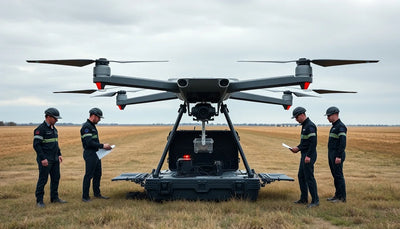
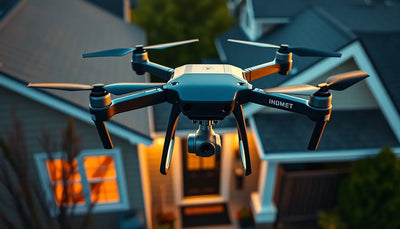
Matternet Expands Part 135 Network with Beeline UAS for Bay Area Delivery
Matternet has added Beeline UAS as an FAA Part 135 operator for BVLOS drone deliveries in the Bay Area and Los Angeles. The partnership expands Matternet's multi-operator model and signals growing commercial delivery infrastructure.

On July 15, 2026, Matternet announced an operational partnership with Beeline UAS, adding the California-based company to its FAA Part 135 drone delivery operator network. Matternet, based in Mountain View, is currently the only holder of an FAA Type Certificate for a drone delivery aircraft. The agreement will support expanded beyond-visual-line-of-sight (BVLOS) operations in the Bay Area and Los Angeles, two of the most densely populated and logistically complex regions for drone delivery in the United States.
This move deepens Matternet's multi-operator model, a strategy that separates aircraft manufacturing from flight operations. By certifying third-party operators under its Part 135 umbrella, Matternet can scale delivery capacity without owning every vehicle or hiring every pilot. For commercial drone buyers and fleet operators, this partnership signals maturing infrastructure and a clearer path to profitable, compliant delivery operations.
Part 135 network expansion and operator implications
The FAA's Part 135 certification is the key regulatory gateway for commercial drone delivery beyond visual line of sight in the United States. Matternet's Type Certificate for its aircraft allows it to operate or authorize operators like Beeline UAS to fly under its approved maintenance and operational framework. This reduces the regulatory burden for individual operators, who no longer need to obtain their own type certificate—a process that can take years and millions of dollars.
Industrial drone procurement
Source a brand-new industrial drone for this mission.
Discuss mission fit, aircraft model, quantities, configuration, pickup, and lifecycle support with Reboot Hub.

For fleet operators considering entering the drone delivery space, the Matternet-Beeline partnership illustrates a viable model: align with an established manufacturer who holds the Type Certificate and pursue a Part 135 letter of authorization as a sub-operator. This approach can lower the barrier to entry significantly. However, operators must still comply with the manufacturer's maintenance program, flight procedures, and training requirements. That means investing in Matternet-approved repair services and genuine OEM spare parts, rather than relying on third-party or aftermarket components.
The practical implication for repair customers and fleet managers is clear: if you operate a Matternet aircraft under a Part 135 arrangement, your maintenance and parts supply chain is locked to Matternet's specifications. There is no room for non-certified repairs or generic parts. This reinforces the value of using manufacturer-authorized repair facilities—similar to how professional DJI repair services ensure compliance with warranty and safety standards for DJI platforms. Operators who plan to scale delivery operations should factor in the cost and availability of OEM-pulled parts and certified technicians from day one.
What this means for drone buyers
For buyers evaluating drone delivery aircraft, the Matternet-Beeline partnership confirms that regulatory certification is a major competitive differentiator. A Type Certificate is rare: Matternet holds one, and most other delivery drone manufacturers do not yet have FAA approval for their aircraft as certified products. This limits buyer options if the goal is to operate under Part 135 for revenue-generating BVLOS flights.
Reboot Hub analysis: Drone buyers—whether they are small logistics companies, pharmacy chains, or last-mile couriers—should consider two paths. The first is purchasing a certified aircraft directly from a manufacturer like Matternet and either operating it under their own Part 135 or partnering with an existing certificate holder. The second is buying a pre-owned DJI drone or another uncertified platform and operating under the more restrictive Part 107 waiver process, which still allows some BVLOS operations but with tighter limitations. As the delivery market grows, the value of Type-Certified aircraft is likely to increase, potentially affecting the resale value of uncertified drones in the second-hand market.
If you already own a fleet of Matternet aircraft and are considering upgrades or expansions, now is a good time to review your maintenance and trade-in options. A drone trade-in guide can help you assess the residual value of older units and plan for fleet refreshes using inspected pre-owned drones that still meet manufacturer standards.
Beeline UAS and Bay Area growth
Beeline UAS is described in the source as a new Part 135 partner focused on Bay Area and Los Angeles BVLOS operations. While specific routes and launch dates are not yet known, the geography is significant. The Bay Area presents dense urban environments, challenging airspace near San Francisco International and Oakland airports, and a tech-savvy consumer base that expects fast delivery. Los Angeles adds sprawl, congestion, and complex weather patterns. Operating BVLOS in these regions requires robust detect-and-avoid capabilities, reliable communications, and meticulous compliance with FAA NOTAMs and airspace restrictions.
For the broader commercial drone industry, this expansion is a signal that BVLOS delivery is no longer a test program. It is becoming a routine operational capability, albeit still limited to certified aircraft and approved operators. The presence of a second operator like Beeline UAS under Matternet's umbrella suggests that the manufacturer is confident in its production capacity and support network. It also implies that the FAA is comfortable with multiple operators flying the same aircraft type under a shared certificate management structure.
Operators located outside California should watch this development closely. If the Matternet-Beeline model proves successful, similar partnerships could emerge in other metropolitan areas—Chicago, New York, Dallas, or Seattle. That would open new opportunities for drone service providers who want to enter the delivery market without building an aircraft from scratch.
Impact on fleet planning and maintenance
Fleet managers responsible for Matternet aircraft under the Beeline UAS partnership will need to align their maintenance schedules with Matternet's approved procedures. This includes routine inspections, battery management, propeller replacement intervals, and avionics updates. The cost of compliance is non-negotiable: any deviation could jeopardize the Part 135 certificate.
Reboot Hub analysis: The maintenance implications extend to spare parts inventory. Because Matternet holds a Type Certificate, parts for its aircraft are likely to be proprietary and subject to strict traceability requirements. Operators cannot substitute generic components. This makes the supply chain for genuine OEM spare parts a critical factor in fleet uptime. For drone repair customers who work with other platforms—such as Matternet's competitors or DJI-based delivery systems—the lesson is similar: always use manufacturer-approved parts to avoid grounding aircraft or invalidating insurance.
The second-hand market for Matternet aircraft may also be affected. As the operator network expands, demand for pre-owned Matternet drones could rise from new operators looking for cost-effective entry. However, because these aircraft are Type-Certified, any transfer of ownership must be accompanied by a maintenance history and possibly a re-approval from Matternet. Buyers of used Matternet units should verify that the aircraft's logbooks are complete and that the manufacturer accepts it for continued Part 135 operations. This dynamic is analogous to the market for pre-owned DJI drones, where comprehensive service records and genuine parts significantly affect resale value.
How does the Matternet-Beeline partnership affect smaller drone delivery operators?
Small operators that lack a Type Certificate or Part 135 approval can now consider partnering with Matternet or similar certificate holders to offer delivery services under a existing operational framework. This reduces the regulatory hurdle but requires adherence to the manufacturer's maintenance and training standards, which can increase operating costs. Smaller operators should evaluate whether the volume of delivery contracts justifies the investment in certified hardware and approved repair services.
Should I buy a Matternet drone for delivery operations, or stick with a DJI platform under Part 107?
That depends on your business goals. If you need full BVLOS capability for revenue-generating delivery at scale, a Type-Certified aircraft like Matternet's is currently the only option for Part 135 operations. DJI drones can perform deliveries under Part 107 waivers, but those waivers are often more restrictive in terms of route, altitude, and visual observer requirements. For low-volume or pilot-proximate deliveries, a pre-owned DJI drone may be more cost-effective. For high-volume, fully autonomous operations, investing in a certified platform is increasingly necessary.
Will this partnership affect the availability of Matternet spare parts?
Reboot Hub analysis: With more operators flying Matternet aircraft, demand for OEM parts is likely to increase. Matternet will need to scale its supply chain to support Beeline UAS and future partners. Delays in part availability could become a bottleneck for fleet uptime. Operators should maintain a buffer stock of high-wear items such as propellers, batteries, and avionics modules. Those seeking pre-owned Matternet drones should also confirm that parts are still supported by the manufacturer before purchase.
Sources consulted
- DRONELIFE - primary source
Additional official documentation was not available at publication time.
Reboot Hub Editorial adds buyer, repair, resale, and operational analysis for drone owners. If you spot an error, contact us for correction review through our editorial policy.