Lightweight 4K Drone Gets 40% Off, No License Required – What Buyers Need to Know
DJI’s ultra-light 4K drone now costs 40% less and doesn’t require a pilot license. The discount lowers the barrier for new buyers, but what does it mean for the pre-owned market and repair demand? We break down the implications.

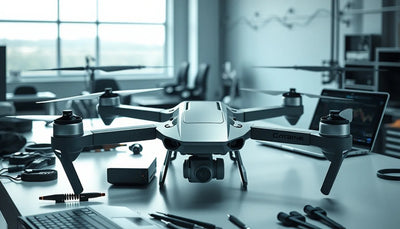
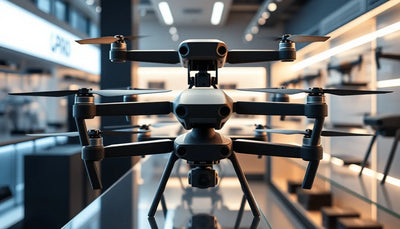
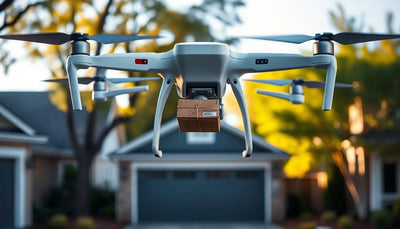
DJI has placed a dramatic 40% discount on one of its lightest drones, a model that weighs less than a typical smartphone yet records 4K video and does not require a pilot license to operate. The deal, reported by Gizmodo, immediately changes the calculus for anyone considering a first drone purchase and sends ripple effects through the used drone market, repair ecosystem, and fleet planning conversations.
While specific model names and technical specifications were not disclosed in the report, the combination of sub-250-gram weight, 4K capability, and a 40% price cut makes this an unusually aggressive move by DJI. For commercial operators and buyers accustomed to evaluating pre-owned DJI drones as a value entry point, the discount creates a fresh set of trade-offs between new and second-hand equipment.
What this means for drone buyers
The most direct impact is on price. A drone that already sat below the licensing threshold in many regions — typically 250 grams — now costs significantly less, making it one of the most affordable 4K aerial platforms available. For a hobbyist or content creator who hesitated at the previous price, this discount removes that barrier. For a small business considering aerial photography or light inspection work, the math shifts toward buying new rather than sourcing pre-owned DJI drones.
DJI buying context
Match product news to hardware you can actually deploy.
Check inspected DJI aircraft, repair support, and trade-in timing before deciding whether to upgrade, repair, or wait.

Additionally, the absence of a license requirement reduces administrative friction. In many jurisdictions, the pilot does not need to register, pass a written exam, or carry insurance beyond basic personal liability. That means someone with no prior experience can legally fly the drone for recreational or even commercial purposes, depending on local regulations, without waiting for certification.
One operator-facing takeaway: buyers should assess whether this discount makes a new unit more cost-effective than a comparable pre-owned model. For those with older gear gathering dust, now is a good time to consult a drone trade-in guide to see if upgrading into this discounted new model makes financial sense.
Impact on the pre-owned DJI market
When a manufacturer drops the price of a current-generation drone by 40%, the secondary market feels the pressure. Sellers of lightly used versions of the same model — or even slightly older sub-250g drones — will need to adjust their asking prices downward to remain competitive. Buyers who were hunting for a bargain on a pre-owned DJI drones may now find that the new discounted price is within reach, especially if they factor in warranty protection and the absence of wear-and-tear concerns.
For fleet operators, the discount may accelerate turnover. If a commercial operator runs a mixed fleet that includes older lightweight drones, selling those units into the second-hand market and purchasing the new discounted model could improve fleet reliability and reduce maintenance overhead. However, the sudden drop in used valuations means trade-in values may be lower than anticipated. Operators should check current market rates before listing older gear.
The broader implication is that DJI’s pricing strategy can reshape the balance between new and pre-owned supply. A 40% discount effectively floods the new inventory channel and depresses used pricing for that weight class. Buyers and sellers alike must stay current with retail pricing to avoid overpaying for used equipment that is no longer the value leader.
Repair and spare parts considerations
Even a brand-new drone with a generous discount faces the same operational realities as any other: crashes, component wear, and the need for occasional repairs. The lightweight design that makes this model so convenient also means its airframe and gimbal are more delicate than larger, more robust platforms. Repair costs relative to the purchase price become a critical calculation.
Because the drone is new, genuine OEM spare parts may be scarce at first, but as the installed base grows, the demand for replacement arms, motors, camera modules, and propellers will rise. For owners who intend to fly their new drone often — especially in less forgiving environments like coastal areas or dusty job sites — the availability of OEM-pulled parts and a reliable service partner matters. That is why operators should plan ahead and identify a provider that offers professional DJI repair services before they need it, rather than scrambling after a crash.
From a fleet perspective, a discounted lightweight drone can be a useful tool for low-risk missions such as roof inspections, real estate fly-arounds, or event coverage. But if the drone suffers a hard landing, the cost of a full gimbal replacement could approach a significant percentage of the discounted purchase price. Operators may choose to treat these units as disposable for certain tasks, but for owners who value longevity, investing in genuine OEM spare parts and having a repair plan is the smarter path.
Who should consider this model
This drone is clearly aimed at three overlapping groups: beginners who want 4K quality without licensing hurdles; content creators who need an ultra-portable backup or travel camera; and budget-conscious enterprises that need a simple aerial platform for occasional use. It is not a replacement for heavy-lift platforms like the Matrice series, nor does it offer the redundancy or sensor payloads that inspection or mapping fleets require.
For someone buying their first drone, the 40% discount reduces the financial risk of entry. Combined with the low weight and license-free operation, it is one of the least intimidating ways to start flying. For those moving up from a basic toy drone, the step to 4K video will be dramatic. For vacationers and outdoor enthusiasts, the fact that it weighs less than a phone means it can slip into a jacket pocket or small bag without sacrificing camera quality.
On the commercial side, solo real estate agents, wedding photographers, and small construction firms can use this model for quick aerial shots without investing in heavier, more expensive equipment. However, for any buyer considering a long-term investment, the pre-owned route still offers value if the discount does not cover the exact feature set needed. Comparing the new discounted price with a pristine pre-owned DJI drones unit that includes batteries and accessories should be a standard step in the buying process.
Does the 40% discount affect the warranty?
The source report does not specify warranty terms. Typically, DJI offers a standard manufacturer warranty on new purchases, and the discount should not alter that coverage. Buyers should confirm with the retailer before purchasing.
Is a pilot license really not needed for this drone?
The article states that no pilot license is needed, which aligns with regulations in many countries for drones under 250 grams. However, local rules vary. Operators should verify their jurisdiction’s requirements for weight, registration, and flight zones.
Should I buy new at the discounted price or look for a pre-owned model?
If the discount brings the new price close to or below the used market price, buying new gives you a full warranty, fresh battery, and no unknown wear. For budget-minded buyers who can wait, the discount may also push pre-owned prices lower, creating a second window of value.