Hydrogen-Powered Unmanned Helicopter Research Advances in China
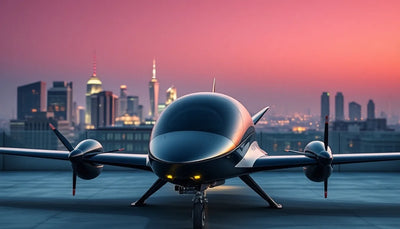
Dalian University of Technology has highlighted hydrogen-powered unmanned helicopter research as a development path for the low-altitude economy. The announcement signals growing institutional interest in fuel-cell propulsion for longer-endurance commercial drone operations.

Quick answer
Dalian University of Technology has reported progress on hydrogen-powered unmanned helicopter technology intended to support low-altitude economy development in China.
- The university framed the work as an innovation supporting the low-altitude economy
- The technology centers on hydrogen propulsion for an unmanned helicopter platform
- The announcement signals institutional research interest in fuel-cell drone endurance
- No commercial launch, pricing, or operational specifications were disclosed
Evidence: DJI ROMO official robot vacuum page · DJI Support ROMO beginner guide
Market context
Turn market news into a buy, repair, or trade-in decision.
Compare pre-owned availability, resale timing, and repair economics before the market moves again.

Dalian University of Technology has publicly highlighted its hydrogen-powered unmanned helicopter research as a contribution to China’s low-altitude economy development. The university announcement, reported by Dalian University of Technology News, frames the project as an institutional innovation effort rather than a commercial product launch or regulatory filing.
The development matters for commercial drone operators because hydrogen fuel-cell propulsion is one of the most closely watched pathways for extending flight endurance beyond what current lithium-battery platforms typically achieve. While the source does not disclose flight times, payload figures, or production timelines, the fact that a major technical university is promoting the work suggests that fuel-cell unmanned rotorcraft are moving from laboratory concepts toward broader industrial discussion.
What the announcement actually says
According to the Dalian University of Technology News report, the university’s hydrogen-powered unmanned helicopter technology is being positioned as an enabler for low-altitude economy applications. The term “low-altitude economy” refers to commercial activity conducted by drones and other aircraft operating in lower airspace, including logistics, inspection, mapping, and emergency response.
The source does not provide verified technical specifications, endurance figures, hydrogen storage details, or named commercial partners. Reboot Hub analysis is therefore limited to what the announcement signals: that a Chinese research institution is investing in hydrogen propulsion for unmanned helicopters and considers the technology relevant to broader commercial airspace development. Operators should treat this as an early-stage research signal, not as evidence of an available product or an imminent supply-chain shift.
Why hydrogen propulsion matters for commercial drone operations
Hydrogen fuel cells generate electricity through a chemical reaction between hydrogen and oxygen, with water vapor as the primary emission. For unmanned aircraft, the main operational appeal is the potential to combine longer flight duration with faster refueling compared with battery swapping or lengthy recharging cycles. That profile could be valuable for pipeline inspection, coastal monitoring, agricultural survey, and logistics routes where current battery-electric platforms require frequent landings.
At the same time, hydrogen introduces infrastructure complexity. Compressed or liquid hydrogen storage, refueling safety protocols, fuel-cell stack maintenance, and cold-weather performance all differ significantly from battery-electric drone operations. The Dalian University of Technology announcement does not address these operational questions, and no verified specification data was available for this article. Fleet managers evaluating future propulsion options should monitor university and industry research programs like this one, but should not yet factor hydrogen rotorcraft into near-term procurement planning.
What this means for drone owners and the market
For most commercial operators and individual buyers today, hydrogen-powered unmanned helicopters remain a research-stage topic rather than a purchasing decision. The pre-owned DJI market, for example, continues to be driven by battery-electric platforms with established repair networks, predictable spare parts availability, and mature resale channels. A university research announcement does not change the immediate value proposition of inspected pre-owned DJI drones or genuine OEM spare parts for existing fleets. For owners evaluating service and lifecycle risk, Drone Wiki explains the relevant repair, parts, resale, or operational path.
The more realistic market implication is longer-term. If hydrogen propulsion matures for unmanned rotorcraft, early adoption will likely occur in specialized enterprise and government programs where endurance requirements justify new ground infrastructure. That could eventually create a secondary market for specialized fuel-cell components and maintenance expertise, but it would not immediately displace battery-electric platforms in commercial inspection, mapping, or public safety work. For readers tracking the broader commercial UAV landscape, the Drone Wiki provides reference material on propulsion types and platform categories as the market evolves.
What should a buyer or fleet manager do differently after reading this? Keep current procurement and repair decisions grounded in available platforms and verified performance data. Treat hydrogen unmanned helicopter news as a signal to watch, not a reason to delay a battery-electric purchase or postpone scheduled maintenance on an existing fleet.
Reading the low-altitude economy signal carefully
China’s low-altitude economy has become a recurring theme in government and institutional communications, covering drone delivery, urban air mobility, agricultural aviation, and supporting infrastructure. The Dalian University of Technology announcement fits within that broader policy narrative, but the source does not include specific government funding figures, regulatory approvals, or commercial deployment targets.
For international readers, the relevant takeaway is that hydrogen propulsion research is being publicly associated with commercial drone development in China. That may influence future export dynamics, component supply chains, and competitive positioning if the research translates into industrial programs. However, without verified specifications, partnership disclosures, or certification milestones, Reboot Hub cannot assess how close this particular project is to operational deployment. Operators should watch for follow-up announcements that include concrete performance data or named industrial collaborators.
FAQ
Frequently asked questions
Is the hydrogen-powered unmanned helicopter commercially available?
No. The Dalian University of Technology announcement describes research-stage technology and does not indicate a commercial product launch, pricing, or availability.
Should drone buyers wait for hydrogen platforms before purchasing?
No. Battery-electric platforms, including inspected pre-owned DJI drones, remain the practical choice for most commercial and individual use cases today. Hydrogen rotorcraft are still in early research and infrastructure development.
What should fleet operators monitor after this announcement?
Fleet operators should watch for follow-up reports that include verified endurance data, hydrogen storage specifications, certification progress, and named industrial partners. Those details would signal whether the research is moving toward operational deployment.
Which sources support this update?
The visible evidence links identify DJI ROMO official robot vacuum page and DJI Support ROMO beginner guide; each source is used only for the claim it directly supports.
What remains subject to change?
Retail pricing, availability, product bundles and regulatory timelines can change. Readers should verify the latest terms with the named retailer, manufacturer or regulator before acting.
How should buyers or operators use this analysis?
Use the verified facts as a starting point, then compare mission fit, lifecycle support, maintenance needs and current procurement terms before making a purchase or fleet decision.
Sources consulted
- Source material - primary source
- DJI ROMO official robot vacuum page - official product page
- DJI Support ROMO beginner guide - official support guide
Reboot Hub Editorial adds buyer, repair, resale, and operational analysis for drone owners. If you spot an error, contact us for correction review through our editorial policy.