How Automated DJI Drones Are Reshaping Public Safety in Celaya
Celaya, Mexico is deploying automated DJI drones for public safety. The shift toward remote, dock-based operations changes how fleets are bought, maintained, and eventually resold. Drone operators should understand the implications for repair and pre-owned markets.

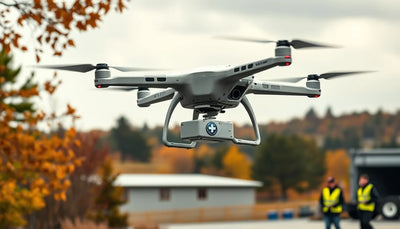
The public safety sector has long relied on manned patrols and fixed cameras, but a growing number of agencies are turning to automated drone systems to extend their reach. In Celaya, Mexico, local authorities have begun integrating automated DJI drones into everyday emergency response and surveillance operations. This move, reported by DroneDJ, represents a notable shift in how drone technology is applied to law enforcement and public safety. For commercial operators, fleet managers, and even those active in the pre-owned DJI market, the Celaya deployment offers lessons about the future of drone operations, maintenance, and equipment lifecycle management.
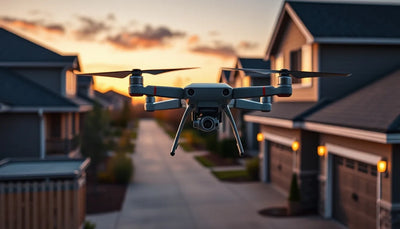
Automated drones, often paired with docking stations that allow remote takeoff, landing, and charging, reduce the need for on-site pilots and enable persistent aerial monitoring. The Celaya initiative highlights a trend that is gaining momentum globally: agencies are moving from manual, pilot-dependent flights to semi-autonomous or fully autonomous systems. While the specifics of the DJI models used in Celaya have not been detailed, the underlying shift is clear. Automation is no longer a niche capability; it is becoming a central requirement for public safety drone programs.
Understanding the shift toward automated public safety drones
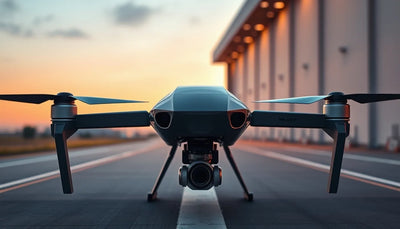
The Celaya deployment is part of a broader pattern across Latin America and other regions where DJI’s automated drone solutions are being adopted by police and emergency services. Automated systems typically include a ground-based docking station that houses the drone, provides battery charging, and communicates with a remote command center. The drone can be scheduled to fly routine patrols or launched on demand for incidents, all without a pilot physically present at the launch site.
Industrial drone procurement
Source a brand-new industrial drone for this mission.
Discuss mission fit, aircraft model, quantities, configuration, pickup, and lifecycle support with Reboot Hub.

This approach offers several operational advantages. Response times can be faster because drones are pre-positioned in strategic locations. Data streams directly to command centers, allowing real-time situational awareness. The reduced need for trained pilots on standby can also lower personnel costs. However, these benefits come with new challenges. Automated systems require robust infrastructure, including reliable internet connectivity, weather-hardened docking stations, and software that can safely handle unexpected airspace events.
For the drone industry, the Celaya example underscores that automation is not just a product feature—it is a deployment model that reshapes procurement decisions. Fleets that were built around manual operations may need to be supplemented or replaced with dock-compatible drones. This has ripple effects across the supply chain, from new drone sales to the trade-in and resale of older, non-automated units.
Operational benefits and challenges for fleet managers
Fleet managers evaluating automation for their own operations should consider both the promise and the practical hurdles. The Celaya project likely required significant upfront investment in hardware, software integration, and training. But the long-term payoff can be substantial. Automated drones can fly multiple missions per day without fatigue, and the data they collect can be integrated with existing dispatch systems, improving decision-making speed.
Yet automation also introduces new failure points. A docking station malfunction can ground a drone until a technician arrives. Battery health monitoring becomes more critical because drones may cycle through multiple flights without manual inspection. Communication links must be reliable; any drop in connectivity could abort a mission. Fleet managers must plan for these contingencies, often by maintaining backup manual drones or hybrid operational protocols.
From a repair perspective, automated systems demand different expertise. Technicians need to be familiar not only with airframe and motor repairs but also with dock electronics, charging contacts, and software calibration. This is where the value of professional DJI repair services becomes evident. Agencies that invest in automation should also invest in service partnerships that can diagnose and fix both drone and dock components quickly, minimizing downtime.
Another consideration is the impact on the used drone market. As public safety agencies upgrade to automated systems, they may sell or trade in older manual drones. This influx can create opportunities for buyers seeking pre-owned DJI drones that still have substantial flight life left. However, buyers should be aware that older models may not support automatic docking and may lack the software features needed for integration with modern command centers.
What this means for drone buyers
The Celaya case offers a clear signal to anyone purchasing drones for commercial or government use: automation is becoming a default expectation, not an extra. When evaluating a new drone purchase, buyers should consider whether the model is part of a dock-compatible ecosystem. Even if automation is not immediately needed, buying a platform that can later be paired with a docking station protects the investment and ensures future flexibility.
For buyers in the pre-owned market, the trend toward automation means that manual-only drones may depreciate faster as agencies and enterprises trade them in for automated systems. This can be an advantage for price-conscious buyers who do not need automation. A well-maintained, pre-owned DJI drone from a past generation can still deliver excellent performance for tasks like inspection, mapping, or cinematography. The key is to verify the drone’s condition, flight count, and battery health before purchasing.
Reboot Hub’s pre-owned DJI drones inventory reflects this dynamic: automated-ready models like the Matrice 300 or Matrice 350 tend to hold value longer, while older drones like the Mavic 2 Enterprise are often available at attractive prices for operators who do not require dock integration. Buyers should also consider that automated systems often require specific firmware versions and software subscriptions. A drone purchased second-hand may need a firmware update or activation to work with a DJI Dock, so checking compatibility before purchase is essential.
Fleet managers planning a migration to automation should also explore trade-in programs. Trading in older drones can offset the cost of new, automated-ready equipment. Reboot Hub’s drone trade-in guide provides a practical overview of how to value and exchange equipment, helping operators make informed decisions. Whether buying new or pre-owned, the takeaway is clear: automation is reshaping the drone market, and procurement strategies must adapt.
Implications for the pre-owned DJI market and repair ecosystem
The Celaya deployment is part of a larger wave of public safety drone automation that will influence the secondary market for years. As agencies upgrade to dock-compatible fleets, the supply of used manual drones increases. This benefits budget-constrained operators, training schools, and hobbyists who can acquire capable hardware at lower prices. However, it also raises questions about long-term support. DJI may phase out firmware updates for older, non-automated models, which could affect reliability over time.
For repair shops, the shift creates a dual opportunity. On one hand, there is continued demand for repairs on older drones that remain in service. On the other hand, there is growing need for expertise in automated systems. Docking stations have their own moving parts, such as opening lids, charging pins, and environmental sensors, all of which can fail and require professional DJI repair services. Repair technicians must stay current with training on these new systems.
The pre-owned market itself may segment into two tiers: automation-ready drones (typically newer, higher priced, and in demand for commercial fleets) and legacy manual drones (more affordable, suitable for non-critical missions or beginners). Buyers should assess their needs honestly. A drone bought for occasional aerial photography does not need a docking station. But if the same drone might later be used in a fleet environment, choosing an automation-capable model from the start is wise.
Another factor is battery compatibility. Automated docking stations often require specific battery models that support high cycle counts and can communicate charge levels to the dock. Pre-owned drones may come with older batteries that lack these features. When purchasing a used drone intended for future automation, buyers should factor in the cost of new batteries. The same consideration applies to repair: a drone that has been repaired with non-OEM parts may not integrate properly with an automated dock. Using genuine OEM spare parts during repair is critical to maintaining docking compatibility.
Reboot Hub analysis: In summary, Celaya’s adoption of automated DJI drones is a microcosm of a global trend. Public safety agencies are leading the charge, but commercial operators in surveying, agriculture, logistics, and security are likely to follow. The implications for buyers, fleet managers, and repair customers are profound. Automation changes not only how drones fly, but also how they are bought, sold, maintained, and eventually retired.
What is an automated drone system?
An automated drone system typically includes a drone, a ground-based docking station, and software that enables remote operation without a pilot at the launch site. The dock allows the drone to take off, land, charge, and transfer data autonomously. Systems like DJI Dock have become popular for public safety and enterprise applications where persistent aerial coverage is needed.
How does the rise of automation affect the resale value of older drones?
Automation tends to accelerate depreciation of older, manual-only drones because many agencies and enterprises are upgrading to dock-compatible fleets. This increases supply in the pre-owned market, lowering prices for buyers. However, drones that are automation-ready or can be upgraded often retain higher resale value. Buyers should check compatibility before purchasing a used drone if future automation is a possibility.
Should I upgrade my current drone fleet to support automation?
If your operations require persistent aerial monitoring, faster response times, or reduced pilot workload, upgrading to an automated system may be worthwhile. However, it involves significant investment in docking stations, compatible drones, and infrastructure. A cost-benefit analysis considering mission frequency, personnel costs, and potential trade-in value of existing drones is recommended.
Sources consulted
- DJI Enterprise Celaya public safety case study - official DJI Enterprise case study
- DJI Dock 3 official product page - official product page
- DJI Dock official product page - official product page
Reboot Hub Editorial adds buyer, repair, resale, and operational analysis for drone owners. If you spot an error, contact us for correction review through our editorial policy.
This article is market commentary for drone operators and buyers, not investment advice. Reboot Hub does not provide financial advice or recommend securities transactions.