Hayward Approves Drone First Responder Program: What It Means for Fleets
Hayward's eight new DFR drones promise faster 911 response but renew privacy debates. For commercial fleet operators and pre-owned buyers, this signals growing demand for quick-deployment UAVs and a maturing public safety drone market.

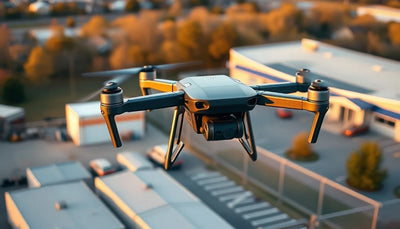
Hayward, California, has approved an expanded Drone as First Responder (DFR) program, deploying eight additional drones to respond to 911 calls. The program, reported by DroneXL.co on June 23, 2026, aims to provide faster situational awareness for police before officers arrive on scene. While the technology promises quicker incident assessment, it also revives familiar debates around privacy, public protest, and the line between reactive drone use and proactive surveillance.
For the commercial UAV sector, this development is not just a local policing story. It signals a broader market trend: law enforcement agencies are scaling DFR programs, which has direct implications for drone manufacturers, fleet operators, and the second-hand drone market. Whether you operate a commercial inspection fleet or manage a public safety drone program, understanding Hayward's move helps you anticipate hardware demand, repair cycles, and pre-owned inventory trends.
DFR Programs Drive Fleet Upgrades and Spare Parts Demand

Hayward's program, as described in the source, places drones ahead of officers by using eight new units to answer 911 calls. This model relies on aircraft that can launch quickly, stay aloft for extended periods, and carry high-resolution cameras with zoom capabilities. For drone manufacturers and parts suppliers, the implication is clear: demand for durable airframes, rapid-charging batteries, and reliable gimbal systems will continue to rise.
Industrial drone procurement
Source a brand-new industrial drone for this mission.
Discuss mission fit, aircraft model, quantities, configuration, pickup, and lifecycle support with Reboot Hub.
Commercial fleet operators who contract with public safety agencies should prepare for increased wear on their equipment. Frequent launch-and-recover cycles accelerate battery degradation and motor bearing wear. Propeller replacements become more common. Having a stock of genuine OEM spare parts on hand can reduce downtime. When a police department expands its DFR fleet, neighboring agencies often follow suit, creating a regional spike in demand for professional DJI repair services to keep those units mission-ready.
What this means for drone buyers

For anyone considering a new or pre-owned drone purchase, Hayward's DFR expansion reinforces the value of platforms that offer quick deployment and robust sensor payloads. Buyers who support law enforcement contracts should prioritize models with integrated thermal or zoom cameras, reliable obstacle avoidance, and redundant communication links. These features are not just nice-to-haves—they are becoming baseline requirements for public safety drone operations.
At the same time, police agencies that upgrade their fleets often sell off older, still-capable drones. The market for pre-owned DJI drones may see an influx of units with moderate flight hours and well-documented maintenance records. Buyers can find excellent value in these inspected pre-owned aircraft, especially if they are willing to invest in a thorough checkout and firmware update. Using a drone trade-in guide can help you time your upgrade cycle to align with surplus availability, potentially lowering your equipment costs significantly.
Privacy and Policy Concerns Shape Market Adoption

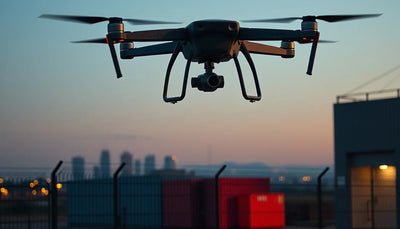
The source acknowledges that the DFR model raises "familiar questions about privacy, protests, and how far reactive drone use can stretch before it starts looking proactive." These concerns are not abstract. They directly affect how municipalities procure drones, what training requirements are imposed, and which operating zones are restricted. For commercial operators, this means that a program like Hayward's can lead to new local ordinances—such as no-fly zones over residential areas during non-emergency hours, or mandatory Remote ID broadcasting.
Fleet managers should monitor the policy debate in their own regions. If public pressure limits DFR flight patterns, it could reduce the total addressable market for certain drone models. However, it could also create demand for quieter, less conspicuous UAVs that are harder to spot from the ground. When buying pre-owned equipment, consider whether the drone's noise profile and camera resolution align with potential future rules. Drones that are perceived as overly intrusive may lose resale value in jurisdictions with stricter privacy laws.
Pre-owned Market and Repair Services Respond to Police Upgrades

As Hayward deploys eight new drones, it is reasonable to expect that older aircraft in its fleet will be cycled out. Police departments typically rotate hardware every two to three years, especially when switching to a DFR model that requires different payloads or flight controllers. These retired units often enter the pre-owned market with relatively low flight hours and comprehensive maintenance logs.
For buyers, this is an opportunity to acquire robust airframes at a discount. However, police-surplus drones may have custom firmware, non-standard mounting hardware, or sensor calibrations tuned for law enforcement use. It is wise to have such units inspected and re-certified by a qualified service center. Reputable providers of professional DJI repair services can perform firmware resets, gimbal recalibration, and component replacements using genuine OEM spare parts. This ensures the drone meets civilian operational standards and retains its resale value.
Beyond single-unit sales, the shift toward DFR programs creates a steady demand for repair parts. Batteries, charging hubs, propellers, and landing gear wear out faster in quick-response environments. Operators who maintain a stock of OEM-pulled parts can avoid extended grounding. The overall trend suggests a maturing ecosystem where both new and pre-owned drones, along with professional repair support, will play essential roles in public safety aviation.
What is a Drone as First Responder program?
A Drone as First Responder (DFR) program dispatches a drone to the scene of a 911 call ahead of ground units. The drone provides real-time video and situational awareness, helping officers assess threats, locate suspects, or coordinate responses before arriving. Hayward's program uses eight new drones for this purpose, as reported in June 2026.
How does this affect commercial drone operators?
Commercial operators may see increased demand for drones with quick-launch capabilities and high-resolution sensors, especially if they contract with public safety agencies. The expansion of DFR programs also influences local regulations, spare parts supply, and the availability of pre-owned police-surplus drones for other commercial uses.
What should I consider if buying a used police drone?
Check for custom firmware, verify airframe and battery flight hours, and have the unit inspected by a professional repair service. Police-surplus drones can offer great value if they are re-calibrated and fitted with genuine OEM spare parts. Using a drone trade-in guide can help you time your purchase around agency upgrade cycles.