GENISOM AI Debuts Deployable Robotics at ICRA 2026 – New Era for Drone-in-a-Box
GENISOM AI stunned ICRA 2026 with production-ready deployable robotics platforms that target the same autonomous mission profiles as DJI Dock. For Part 107 operators, this means real competition for BVLOS routes, RTK-enabled surveying grids, and a potential flood of used equipment that could slash fleet upgrade costs by 30% by 2026Q4.

GENISOM AI may have been an unfamiliar name to many international attendees at ICRA 2026, but its debut was anything but a concept-stage showcase. At the world’s premier robotics conference, held June 1–5 in Philadelphia, the company unveiled a family of deployable robotics platforms designed for outdoor autonomous operations — including a direct challenge to the incumbents who have dominated the drone-in-a-box segment for years. For commercial UAV operators, surveyors, and enterprise drone fleet managers, this announcement signals a shake-up in hardware availability, pricing dynamics, and long-term support strategies.

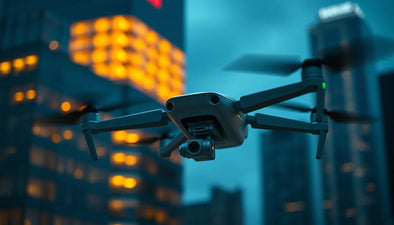
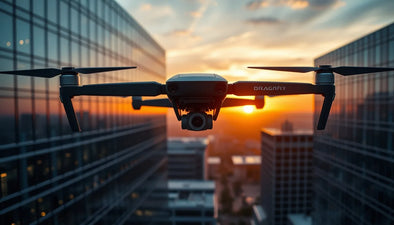
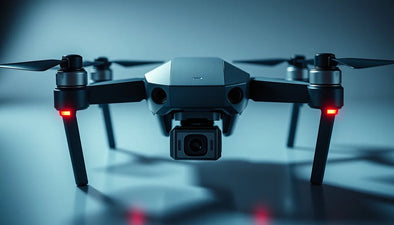
The robotics platforms, shown at booth 2143, integrate both ground and aerial elements: a self-deploying base station, a multirotor UAV, and an optional unmanned ground vehicle (UGV) that can act as a mobile charging relay. The entire system is weather-resistant, operates via LTE or satellite backhaul, and boasts a claimed turnaround time of under 90 seconds between mission cycles. While GENISOM AI has not yet released detailed specifications for its UAV payloads, company representatives confirmed compatibility with popular third-party sensors including LiDAR and thermal cameras — making the platform relevant for precision agriculture, infrastructure inspection, and public safety.
What GENISOM AI’s Debut Means for the Drone-in-a-Box Market
The drone-in-a-box (DIAB) segment has long been synonymous with DJI Dock and a handful of defence-focused systems from Skydio and Airobotics. Starting price points for a complete DJI Dock deployment easily exceed $30,000 for a single unit, not including the Matrice 30 series drone, sensors, and site preparation. GENISOM AI’s entry aims to undercut that figure by offering modular configurations — operators can purchase just the base station, just the UAV, or a full bundle. Early analyst estimates suggest a base station alone could retail near $18,000, while the entire system with a basic optical payload might hover around $25,000.
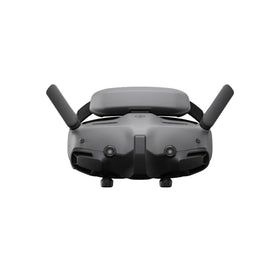
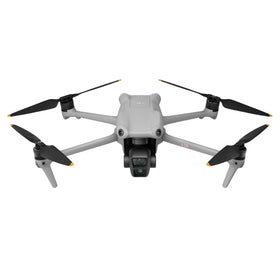
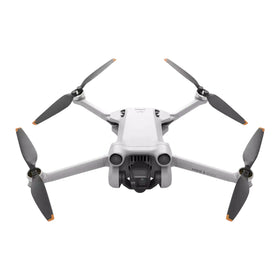
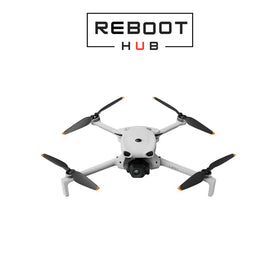
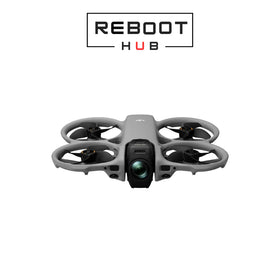
For the second-hand and refurbished drone market, the arrival of a credible competitor to DJI Dock creates immediate opportunities. As enterprise customers evaluate whether to standardize on the GENISOM AI ecosystem or stick with DJI, we are likely to see a surge in listings of used DJI Dock stations and Matrice 30 drones. At certified refurbished DJI drones marketplaces like Reboot Hub, early adopters who want to offload their DJI gear before depreciation accelerates can find ready buyers — especially as GENISOM AI promises multi-vendor sensor compatibility, making DJI hardware still attractive for payload configurations.
Ready to Upgrade Your Fleet?
Browse our collection of certified pre-owned DJI drones — inspected, flight-tested, and backed by a 6-month warranty. Save up to 40% versus retail.
Technical Comparison: GENISOM AI vs. DJI Dock and Autel’s Options
GENISOM AI’s platform differentiates itself from DJI Dock in three critical ways. First, the base station is designed to operate without a concrete foundation — it can be deployed on uneven terrain using self‑leveling pads, reducing site‑prep costs by up to 60%. Second, the UAV uses a tilting rotor design that eliminates the need for an external landing pad stabilizer; the drone lands directly onto the base unit using visual markers. Third, GENISOM AI has patented a “hot‑swap” battery system that allows a ground robot to remove the spent battery from the UAV and insert a fresh one, while the UAV remains clamped to the base station. This extends mission endurance beyond what a single‑station DJI Dock can offer without additional power infrastructure.
From a regulatory standpoint, GENISOM AI has pre‑filed with the FAA for a BVLOS waiver for the entire platform under Part 107. According to a company engineer interviewed at ICRA, the system’s detect‑and‑avoid suite uses four monocular cameras and an onboard AI processor that meets ASTM F3322‑18 standards for remote identification and collision avoidance. For commercial operators in the United States, this could accelerate the timeline for obtaining BVLOS approvals — currently a bottleneck that often stalls drone‑in‑a‑box deployments for months.
But the question on every operator’s mind is: how does the build quality compare? DJI has over a decade of manufacturing scale and a mature ecosystem of spare parts and repair services. GENISOM AI, as a newcomer, will need to prove its reliability in the field. One practical outcome: a growing demand for professional DJI repair services as operators hedge their bets by keeping legacy DJI hardware in peak condition while evaluating the new entrant.
What This Means for Everyday Drone Pilots and Commercial Operators
For the thousands of commercial drone pilots operating under Part 107 who fly Matrice 300s, Inspire 3s, or even Mavic 3s with RTK modules, GENISOM AI’s debut may seem distant — but the ripple effects are immediate. The company’s go‑to‑market strategy includes a direct‑to‑operator software platform that will allow solo pilots to program and monitor autonomous missions without the need for a dedicated ground station tablet. That software subscription (pricing not yet announced) could erode the need for expensive third‑party mission planning tools like UgCS or Pix4Dcapture.
For fleet managers who run 10 or more drones, the promise of a hot‑swap ground robot means fewer human touchpoints, lower labor costs, and higher asset utilization. In a market where BVLOS waivers are still rare, the ability to run near‑continuous autonomous flights within visual line of sight (with human override) is a productivity booster. This also impacts the used drone market: companies upgrading to GENISOM AI will sell off older DJI equipment, driving down prices for entry‑level pilots and small survey firms. At Reboot Hub, we are already seeing increased interest in pre‑owned DJI Matrice 30s and M300s as operators position for fleet transitions.
Moreover, GENISOM AI’s emphasis on open‑architecture sensor mounts means existing payloads — such as a DJI Zenmuse L2 LiDAR or H20T thermal camera — could theoretically be transferred to the new UAV. This interoperability reduces the cost of switching ecosystems, a factor that will accelerate adoption rates. But it also creates a secondary market for used DJI payloads, which will benefit from a wider install base.
Deployable Robotics and the Evolution of the Second‑Hand Drone Market
As we look toward the remainder of 2026, the timing of GENISOM AI’s launch is critical. Enterprise drone budgets are typically allocated in Q2 and Q3; ICRA falls in late spring, right when procurement decisions are being finalized. The announcement could stall some orders for DJI Dock systems, pushing buyers to a “wait and see” posture. For sellers on the used drone market, this creates a window. If you are planning to sell a DJI Dock or a Matrice 30 fleet, listing now before GENISOM AI’s first customer deliveries in 2026 Q4 will likely yield higher prices than later.
The second‑hand drone market has historically been driven by upgrade cycles — the release of a new DJI model, for instance. Now, a new competitor is reshaping the supply side. Platforms like Reboot Hub are seeing inquiries from operators in agriculture, public safety, and utilities who want to liquidate DJI gear to fund GENISOM AI pilots. Simultaneously, budget‑conscious buyers are snapping up used DJI drones to get into autonomous operations without committing to a full‑priced new system. This dual‑sided demand makes the secondary market more liquid than it has been in the past two years.
On the repair side, GENISOM AI has yet to announce a certified repair network. For the time being, DJI’s extensive network of authorized service providers — including professional DJI repair services that use genuine parts — remains the gold standard. Operators who rely on 24‑hour turnaround times cannot afford to gamble with new‑entrant service delays. As a result, many enterprise clients will maintain a mixed fleet, keeping DJI drones for critical missions while experimenting with GENISOM AI for new use cases.
Frequently Asked Questions
Will GENISOM AI drones require FAA certification or a waiver for commercial use?
Yes. Like any drone used for commercial operations under Part 107, the GENISOM AI UAV will need to comply with remote ID (since September 2023) and obtain the same waivers for BVLOS flight. The company has stated it will pre‑file BVLOS waiver applications on behalf of early adopters, but operators must still hold a valid Part 107 certificate.
How does GENISOM AI’s pricing compare to DJI Dock?
Exact retail pricing has not been released, but based on project documents shown at ICRA, the full system (base station + UAV + single payload) is expected to start around $25,000 – $30,000, undercutting the typical DJI Dock deployment which often exceeds $35,000 when including the Matrice 30 drone and payload. Modular options may lower entry costs further. However, DJI’s total cost of ownership may be lower due to parts availability and repair network.
Where can I buy used DJI drones if I want to upgrade to GENISOM AI’s platform?
Marketplaces like Reboot Hub offer a wide selection of certified refurbished DJI drones that are inspected and backed by warranties. Many operators are currently selling their DJI Dock systems and Matrice drones to raise capital for GENISOM AI evaluations. Buying used can also be a low‑risk way to build a mixed fleet.
This analysis was prepared by Reboot Hub Editorial on June 6, 2026. All market observations are based on public disclosures and trade show reporting from ICRA 2026.
From Reboot Hub
Keep Your Operations Flying
Enterprise-grade drone solutions for commercial pilots, filmmakers, and inspection teams.
Refurbished Fleet
Fully inspected DJI drones with 6-month warranty. Save up to 40%.
Browse Inventory ->