FPF Defense Lands Major Investment for AI Kinetic Counter-UAS Interceptors
Former acting Defense Secretary Miller leads FPF Defense as RSE Ventures and Ondas invest in AI-enabled kinetic interceptors to close the cost gap against mass-produced one-way attack drones.

FPF Defense, a company led by former Acting Secretary of Defense Christopher C. Miller, has secured a strategic investment from RSE Ventures and Ondas Holdings (NASDAQ:ONDS) to accelerate development of AI-enabled kinetic interceptors purpose-built to counter low-cost, one-way attack drones. The announcement, made on July 25, 2026, positions West Palm Beach as an emerging defense-tech hub and directly confronts the growing operational and cost asymmetry between mass-produced unmanned aerial systems (UAS) and traditional countermeasures.
For commercial drone operators, fleet managers, and the pre-owned DJI market, this investment signals a broad recalibration of the defense industrial base toward affordable, scalable counter-UAS solutions. The implications extend beyond military procurement into airspace risk management, insurance underwriting, and the residual value of older drone models that may be perceived as less compliant with future airspace security regimes.
What FPF Defense is building and why it matters
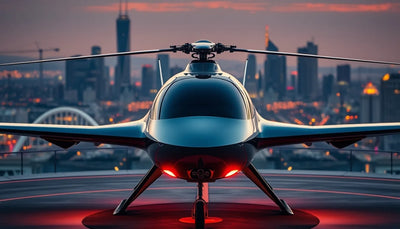
FPF Defense is developing kinetic interceptors that rely on artificial intelligence to track and engage drone swarms. The company’s core thesis is that existing counter-UAS systems—often using expensive missiles or directed-energy weapons—are not cost-effective against a torrent of sub-$1,000 attack drones. By engineering interceptors that are both cheaper to produce and smarter in deployment, FPF aims to close that cost-asymmetry gap.
Fleet readiness
Keep DJI hardware available without overbuying new units.
Use defense and fleet news as a planning signal for repair support, inspected pre-owned aircraft, and replacement timing.

The investment from RSE Ventures and Ondas, a Nasdaq-listed provider of data and drone systems, provides capital and strategic alignment. Ondas brings expertise in autonomous drone operations and data links, while RSE Ventures contributes experience in scaling defense technologies. FPF Defense’s leadership under Christopher C. Miller, who served as Acting Secretary of Defense in 2020–2021, adds a layer of policy and procurement credibility.
From a market perspective, this is not a niche development. The U.S. Department of Defense and allied nations are actively seeking low-cost, high-volume interceptors to protect forward operating bases, critical infrastructure, and large public events. FPF’s approach—AI-guided kinetic kill—directly competes with electronic warfare, jamming, and high-energy laser systems that are still expensive and logistically demanding.
What this means for drone buyers
For buyers of pre-owned DJI drones and operators of mainstream commercial quadcopters, the rise of kinetic counter-UAS interceptors creates a two-sided environment. On one side, increased investment in interceptors could accelerate airspace security regulations that require drones to broadcast remote ID, geofencing compliance, and tamper-proof firmware. Older DJI models that lack these features may become harder to insure or fly in controlled airspace.
On the other side, the cost-asymmetry focus by FPF Defense underscores the fundamental affordability of small drones as both tools and threats. If defense buyers perceive cheap commercial drones as a primary threat vector, they may lobby for tighter import restrictions or licensing requirements on drones that can be weaponized or repurposed for swarming. That could reduce supply and increase prices for used inventory—but only for models that can be proven to be secure and traceable.
Fleet operators should start evaluating their current fleet’s airspace compliance posture now. If your drones rely on older firmware without remote ID or automatic flight restriction updates, consider upgrading through the pre-owned DJI drones market or trading in older units before potential regulatory pressure reduces demand. A proactive fleet refresh will also position your operation to meet future insurance requirements that may demand newer, security-hardened platforms.
Broader defense-tech hub implications for West Palm Beach
The investment anchors West Palm Beach as an emerging defense-tech cluster, similar to how Huntsville, Alabama, has become a center for missile defense, or Cape Canaveral for launch systems. The presence of FPF Defense, supported by local venture capital and a former Pentagon leader, could attract additional counter-UAS startups, engineering talent, and testing facilities to the region.
For commercial operators flying in Florida—particularly near airports, military bases, or large events—this may mean increased coordination with local defense contractors. Airspace managers may begin integrating counter-UAS systems that could interfere with legitimate drone flights. Operators should stay informed about temporary flight restrictions and the possibility of kinetic interceptors being active during training exercises.
Additionally, the investment reflects a broader trend: defense primes are turning to smaller, agile companies for scalable drone-defeat technology. This trickles down to the second-hand market in two ways. First, it signals confidence in the drone threat, which may sustain demand for drones among law enforcement and security firms. Second, it creates a need for affordable, expendable drones for live-fire testing and training—activities that often generate a supply of slightly used airframes that enter the pre-owned market through professional DJI repair services and resale channels.
Market outlook: Cost asymmetry and the commercial drone ecosystem
The core problem FPF Defense is attacking—cost asymmetry—is also the economic engine of the commercial drone market. The same affordability that makes DJI Mavics and Mini-series drones accessible for mapping, inspection, and cinematography also makes them attractive as low-cost threats. That duality will shape regulatory and technological responses for the next decade.
From an investment perspective, Ondas’ involvement is notable. Ondas already operates in the drone data and autonomy space through its subsidiary American Robotics. This investment diversifies Ondas into counter-UAS hardware while remaining in the autonomous systems lane. For public market watchers, the ONDS ticker could gain attention as defense budgets increase for counter-drone systems.
For the pre-owned DJI market, the key risk is regulatory bifurcation. Drones with proven firmware security, remote ID, and geofencing capabilities will command premium resale value. Older models that cannot be updated or certified may become difficult to sell. If you are holding a fleet of DJI Phantom 4 Pro V2.0 or Matrice 200 series units, now is the time to consult our drone trade-in guide to understand current market pricing and plan a transition to compliant, modern platforms.
One practical action for commercial operators: begin documenting your drone’s firmware version, remote ID status, and any modifications. When purchasing pre-owned equipment, verify that the drone can be updated to the latest security standards. This diligence will pay off if airspace authorities require proof of compliance before granting waivers or insurance.
In summary, the FPF Defense investment is not a distant defense contract—it is a signal that the drone threat is being taken seriously at the highest levels of U.S. defense policy. Commercial drone operators, buyers, and repair customers should treat this as a catalyst for reviewing their fleet’s regulatory readiness, market value, and long-term upgrade path.
Will this investment affect the availability of pre-owned DJI drones?
It could, indirectly. If regulations tighten around drone security compliance, older models that cannot be updated may see reduced demand and lower prices. Conversely, demand for newer, compliant pre-owned DJI drones may increase as operators upgrade in anticipation of stricter rules. Monitor local and federal airspace regulations in your area.
How can fleet operators prepare for potential kinetic counter-UAS operations in their area?
Stay in contact with local airport authorities and military liaison offices. Check NOTAMs (Notices to Air Missions) regularly for active counter-UAS testing. Ensure your drones are equipped with remote ID and geofencing systems that can automatically avoid restricted zones. Consider investing in operator training for emergency deconfliction.
What should a buyer look for when purchasing a used drone today, given these developments?
Prioritize drones with verified firmware that supports remote ID and automatic altitude/geofence updates. Request proof of firmware version and serial number. Verify that the drone has not been modified in ways that could void compliance. Using a reputable source for pre-owned DJI drones with inspection records reduces long-term risk.
Sources consulted
- Yahoo Finance market report - primary source
- Ondas Holdings investor relations - company investor information
Reboot Hub Editorial adds buyer, repair, resale, and operational analysis for drone owners. If you spot an error, contact us for correction review through our editorial policy.