Flytrex Adds Rooftop Drone Docks and AI Fleet Positioning in Dallas
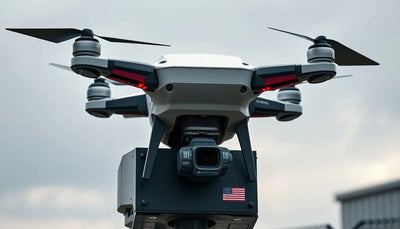
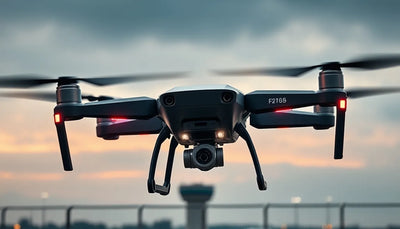
Flytrex has introduced rooftop drone docks and AI-based fleet positioning in Dallas. The company says the combined system cuts delivery costs by 60% and customer delivery times by half, with drones prepositioned at restaurants for faster dispatch.

Quick answer
Flytrex has introduced rooftop drone docking stations and AI-based fleet positioning in Dallas, reporting that the combined system can cut delivery costs by 60% and reduce customer delivery times by half.
- Rooftop docks preposition drones at restaurants for faster dispatch.
- AI fleet positioning optimizes where drones wait between orders.
- Flytrex says delivery costs drop by 60% and times by half.
- The announcement signals growing commercial infrastructure investment in drone logistics.
Evidence: DRONELIFE
Industrial drone procurement
Source a brand-new industrial drone for this mission.
Discuss mission fit, aircraft model, quantities, configuration, pickup, and lifecycle support with Reboot Hub.

Verified facts
What the available evidence confirms
| Metric | Reported Change |
|---|---|
| Delivery cost | Reduced by 60% |
| Customer delivery time | Reduced by half |
| Deployment method | Rooftop docking stations at restaurants |
| Fleet optimization | AI-based positioning |
Flytrex has introduced a rooftop docking system and AI-based fleet positioning for drone delivery in Dallas, according to reporting from DRONELIFE. The company says prepositioning drones at restaurants can cut delivery costs by 60% and reduce customer delivery times by half. The announcement represents a meaningful shift in how drone delivery operators are thinking about ground infrastructure and fleet orchestration, not just aircraft capability.
The development matters for commercial UAV buyers and fleet operators because it moves the conversation away from single-drone performance and toward system-level economics. Rooftop docks and AI positioning are infrastructure decisions, and they carry direct implications for how delivery networks are capitalized, maintained, and scaled across urban markets.
What Flytrex announced in Dallas
According to the DRONELIFE report, Flytrex has rolled out rooftop docking stations that allow drones to be staged directly at restaurant locations. The AI-based fleet positioning layer determines where drones should wait between orders, reducing the distance and time required to reach a customer after a delivery request is placed. The combined system, Flytrex says, cuts delivery costs by 60% and shortens customer delivery times by half.
The Dallas deployment is notable because it anchors the announcement in a real urban operating environment. Rooftop infrastructure in dense commercial districts presents different regulatory, safety, and maintenance considerations than ground-based launch sites in suburban or exurban areas. For fleet planners, the Dallas context suggests that drone delivery providers are beginning to treat rooftop real estate as a core operational asset rather than an afterthought.
What this means for enterprise operators
For commercial operators running any kind of distributed drone service, the Flytrex model points toward a future where fleet availability is managed as much by where aircraft are staged as by how they fly. A drone waiting on a rooftop dock near a high-volume restaurant is operationally different from a drone stored at a central depot. The reported 60% cost reduction and halved delivery times are not claims about better batteries or faster motors; they are claims about better positioning and shorter effective routes.
Enterprise fleet managers should be watching this closely because infrastructure-heavy models change procurement math. If rooftop docks become standard for last-mile delivery, operators will need to evaluate dock compatibility, maintenance access, power requirements, and weather exposure alongside aircraft specifications. Reboot Hub analysis suggests that the pre-owned DJI market may feel secondary effects as well: when delivery networks invest in dedicated dock-compatible platforms, the resale and repair ecosystem for general-purpose commercial airframes can shift toward inspection, mapping, and security use cases rather than delivery. For teams translating this development into fleet planning, Enterprise drone procurement support helps scope mission fit, unit quantity, maintenance coverage, and lifecycle support.
For buyers and fleet operators, the practical takeaway is to evaluate drone platforms not just on flight performance but on how they integrate with staging infrastructure. A drone that cannot dock, charge, or communicate with a rooftop station may carry hidden operational costs even if its airframe price is attractive. For those managing mixed fleets, Enterprise drone procurement support can help align airframe selection with the infrastructure and maintenance realities of a growing commercial operation.
Why infrastructure is becoming the differentiator
The Flytrex announcement highlights a broader market trend: competitive advantage in drone delivery is shifting from airframe specs to system architecture. Rooftop docks, AI positioning, and prepositioned fleets are all infrastructure plays. They require capital, permitting, and ongoing maintenance, but they also create operational moats that are harder for competitors to replicate than a marginally better flight time.
For the commercial UAV supply chain, this has implications for spare parts and repair demand. Docking stations introduce new mechanical and electrical components: charging contacts, locking mechanisms, environmental seals, and communication modules. Each of these represents a maintenance and replacement cycle that did not exist when drones were hand-launched from open ground. Repair providers and parts suppliers that understand dock-integrated systems may find growing demand as more operators adopt this model.
The pre-owned DJI market is also worth watching. DJI platforms are widely used in commercial inspection, mapping, and security operations, but they are not currently the center of gravity for dock-based delivery networks. As delivery infrastructure matures, the secondary market for general-purpose commercial drones may bifurcate: delivery-specific platforms with dock compatibility on one side, and versatile inspection and mapping airframes on the other. Buyers in the pre-owned market should think carefully about which side of that divide their intended use case sits.
What operators should watch next
The Flytrex announcement is a single company deployment, but it signals where commercial drone logistics is heading. Operators, buyers, and repair customers should monitor whether other delivery providers follow with similar rooftop or curbside staging infrastructure. They should also watch how municipalities respond to rooftop drone activity in dense areas, since permitting and public safety reviews will shape how quickly the model scales.
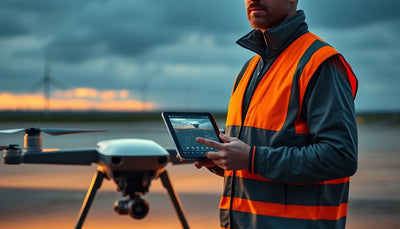
For fleet managers, the immediate action item is to audit current staging and dispatch workflows. If aircraft are returning to a central point between missions, there may be an opportunity to test prepositioning at high-demand locations, even without full rooftop dock infrastructure. The reported economics from Flytrex suggest that reducing deadhead distance and wait time can deliver outsized cost and speed improvements relative to hardware upgrades alone.
Repair and maintenance providers should also note the shift. Docks and AI fleet systems generate data about aircraft health, usage cycles, and environmental exposure. That data can support more predictive maintenance schedules and more accurate resale valuations for pre-owned airframes. As infrastructure matures, the operators who treat maintenance and resale as part of the same lifecycle planning process will likely capture more value from their fleets.
FAQ
Frequently asked questions
What did Flytrex announce in Dallas?
Flytrex introduced rooftop drone docking stations and AI-based fleet positioning for drone delivery in Dallas. The company says the combined system cuts delivery costs by 60% and reduces customer delivery times by half.
How do rooftop drone docks improve delivery economics?
Rooftop docks allow drones to be prepositioned at restaurants, reducing the distance and time needed to reach customers after an order is placed. Flytrex reports this staging approach lowers delivery costs and speeds up service compared to centralized launch points.
What should commercial drone fleet operators do after this announcement?
Fleet operators should evaluate their staging and dispatch workflows and consider whether prepositioning aircraft at high-demand locations could reduce deadhead distance and improve turnaround times. They should also assess whether future drone purchases will need to integrate with docking infrastructure.
Which sources support this update?
The visible evidence links identify DRONELIFE; each source is used only for the claim it directly supports.
What remains subject to change?
Retail pricing, availability, product bundles and regulatory timelines can change. Readers should verify the latest terms with the named retailer, manufacturer or regulator before acting.
How should buyers or operators use this analysis?
Use the verified facts as a starting point, then compare mission fit, lifecycle support, maintenance needs and current procurement terms before making a purchase or fleet decision.
Sources consulted
- DRONELIFE - primary source
Additional official documentation was not available at publication time.
Reboot Hub Editorial adds buyer, repair, resale, and operational analysis for drone owners. If you spot an error, contact us for correction review through our editorial policy.