FCC Targets 9 DJI-Linked Brands in Retroactive Ban Proposal
The FCC opens comment on blocking sales of nine covered UAS brands linked to DJI, including the Sky Rover X1 and Xtra camera line. Analyst Russ says American drone buyers are running out of new options.

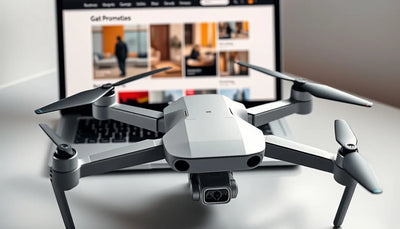
The Federal Communications Commission has opened a formal comment period on a proposal that would block the sale of nine covered unmanned aircraft system (UAS) brands allegedly linked to DJI, and the list directly includes the Sky Rover X1 drone and the Xtra camera line. The development, reported earlier today by DroneXL.co, has prompted Russ from the popular industry channel 51 Drones to publicly say he got his earlier predictions wrong. After arguing that DJI-style drones would continue reaching American buyers through shell companies and rebranding, Russ now acknowledges the FCC is willing to go further than he anticipated. "U.S. buyers are running out of options," he said, pointing to the retroactive nature of the crackdown.
The proposal is not a final rule — it is a notice of proposed rulemaking (NPRM) currently open for public comment. But the inclusion of nine specific brands, rather than general categories, signals that regulators have been mapping the supply chain more carefully than many in the industry assumed. For drone buyers, fleet operators, and the pre-owned market, this is a significant inflection point. The question is no longer whether the bans will expand, but how far and how fast.
The scope of the proposed ban
The FCC’s target list includes nine covered UAS brands that the agency believes are effectively DJI products sold under alternative names to circumvent existing restrictions. Among them, the Sky Rover X1 and the Xtra camera line are explicitly named as being in the crosshairs. This matters because Sky Rover and Xtra have been popular entry points for American consumers who wanted DJI-level capability without directly buying from DJI — a workaround that many in the industry considered defensible.
Operator checklist
Turn policy news into a safer fleet decision.
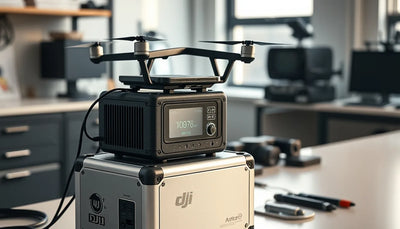
Before changing aircraft, compare repair paths, available DJI inventory, and trade-in timing against the rule change.

According to DroneXL.co’s reporting, the proposal is retroactive in nature, meaning it could apply to units already in the supply chain or in use. Russ from 51 Drones, who previously downplayed the risk of such retroactive enforcement, now says the FCC is demonstrating an unusually aggressive posture. "This is a big deal because it shows they are looking at the entire ecosystem," he told DroneXL.
For commercial operators who have built their fleets around Sky Rover or Xtra cameras, the proposal creates immediate uncertainty. Even if the rule is not finalized for months, the threat of blocked sales and potential enforcement actions can freeze procurement decisions. The pre-owned DJI market may benefit from this uncertainty as buyers shift away from fringe brands and back toward established models that can still be serviced and supported.
What this means for drone buyers
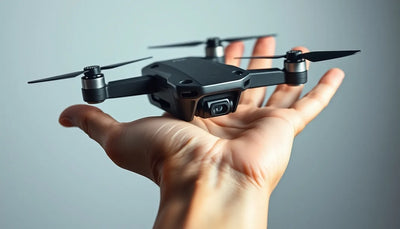
The most immediate impact is a narrowing of new-drone options under $1,000, a price bracket where Sky Rover and Xtra have been strong competitors to mainstream DJI models. If the FCC finalizes this rule, American buyers will no longer be able to purchase those brands from U.S. retailers. That leaves DJI itself — still not banned outright, but subject to Department of Defense restrictions and pending legislation — and a handful of non-Chinese alternatives that often cost significantly more or lack equivalent camera capabilities.
For fleet operators managing multiple aircraft, the compliance burden also rises. Operators who have deployed Sky Rover drones for aerial inspection or survey work will need to evaluate whether their equipment remains authorized for use under evolving federal rules. The FCC’s proposal does not directly ban operation of existing units — only sales — but it signals that the regulatory net is tightening. Any operator relying on covered brands should begin contingency planning now.
One actionable step: consider transitioning to pre-owned DJI drones from a trusted source. Pre-owned units from fully supported product lines offer a known compliance status and access to professional repair using genuine OEM spare parts, which is increasingly important as new alternatives become scarce. The second-hand market for DJI products is already seeing increased demand, and this proposal will likely accelerate that trend.
Implications for the pre-owned and repair markets
When the supply of new drones from certain brands is cut off, the pre-owned market becomes the primary channel for those who still need the hardware. That dynamic is already playing out with older DJI models affected by earlier bans, and it will now extend to Sky Rover, Xtra, and the other seven covered brands. We can expect to see a spike in listings for these products on secondary markets, but buyers should be cautious: retroactive sales bans can complicate resale legality, and warranties or support from the original manufacturer may vanish.
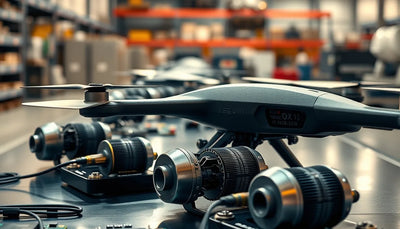
Repair services also face a shift. Independent repair shops that have invested in parts and training for Sky Rover or Xtra cameras may see diminished demand as those fleets age out or become uneconomical to maintain. Conversely, professional DJI repair services that use genuine OEM parts will become more critical as the overall pool of supported drones shifts back toward DJI’s core lineup. Fleet managers should prioritize repair partners who can source and install OEM components and who understand the evolving regulatory landscape.
The pre-owned DJI market itself is poised to benefit. DJI products have a well-documented parts supply, a large installed base of service providers, and a relatively clear regulatory path for domestic ownership. As new options shrink, the value of a well-maintained pre-owned DJI drone — particularly models like the Mavic 3 Enterprise or Matrice 350 RTK — will likely hold or appreciate. Operators considering fleet expansion should consult a drone trade-in guide to understand how to liquidate affected brands while reinvesting in compliant equipment.
What operators should do now
The FCC comment period is open now, and industry stakeholders — including commercial operators, repair centers, and second-hand dealers — should submit comments to the docket. This is not only a legal formality; substantive feedback from end users can influence the scope of the final rule. Operators who use Sky Rover or Xtra equipment should document their use cases and explain the operational impact of a retroactive sales ban.
Beyond advocacy, practical steps include auditing your current fleet for any of the nine covered brands. If you operate any of these products, check their model numbers against the FCC’s published list (available via the DroneXL.co report). Consider whether you have adequate spare parts inventory, and if not, begin sourcing while the units are still legally available. For those looking to upgrade or diversify, now is the time to evaluate pre-owned DJI drones that offer a more stable regulatory footing.
Finally, do not assume that a brand being sold by a U.S. retailer today will be available next quarter. The FCC’s willingness to go after nine brands simultaneously, including the relatively niche Sky Rover and Xtra lines, suggests that no alternative-channel product is safe. Building flexibility into your fleet procurement plan — prioritizing drones with strong repair ecosystems and clear compliance history — is the single most important action you can take this year.
Which brands are included in the FCC's proposed ban?
According to DroneXL.co, the proposal targets nine covered UAS brands that the FCC believes are linked to DJI. The Sky Rover X1 and Xtra camera line are explicitly named as being on the hit list. The full list can be found in the FCC’s NPRM docket.
Does this ban affect drones I already own?
The current proposal targets new sales, not existing ownership or operation. However, the retroactive language in the notice has raised concerns that enforcement could eventually extend to units already in the field. Operators should monitor the comment period and final rule carefully.
What should I do if I own a Sky Rover or Xtra drone?
Start by documenting your fleet and use cases for potential FCC feedback. Assess your spare parts needs now while those items are still legally available. Consider transitioning to a proven, fully supported platform such as pre-owned DJI drones from a trusted source that offers professional repair with genuine parts.
Sources consulted
- WSJ Exposes Chinese Parts Inside America's Humanoid Robots, And Congress Is Already Runnin - primary source
- FCC Filing – DroneXL.co - primary reporting source
- DroneXL.co - primary reporting source
- Defense.gov official source - official government source
Reboot Hub Editorial adds buyer, repair, resale, and operational analysis for drone owners. If you spot an error, contact us for correction review through our editorial policy.