FCC's Broad 'Military-Grade' Drone Definition Could Catch DJI Neo 2
The FCC is proposing a military-grade drone definition broad enough to sweep in thermal, LiDAR, and dock-equipped models already on the market, including the LiDAR sensor in a 151-gram DJI Neo 2. Commercial operators and pre-owned buyers should watch the September 2 comment deadline.

Quick answer
The FCC is proposing a broad 'military-grade' drone definition that could restrict sales of thermal, LiDAR, and dock-equipped models already on the market, including the LiDAR sensor in a 151-gram DJI Neo 2.
- The proposal covers seven categories of drone capabilities, according to Pilot Institute's Greg Reverdiau.
- A LiDAR sensor in a 151-gram DJI Neo 2 could fall under the proposed definition.
- Public comments are due before September 2.
- DroneXL.co reported the breakdown of the seven categories and the filing process.
Evidence: DroneXL.co
Operator checklist
Turn policy news into a safer fleet decision.
Before changing aircraft, compare repair paths, available DJI inventory, and trade-in timing against the rule change.

The Federal Communications Commission is weighing a definition of "military-grade" drones that could reach far beyond battlefield hardware. According to reporting from DroneXL.co, the proposal is broad enough to capture thermal, LiDAR, and dock-equipped models already sold to commercial and consumer buyers in the United States, including the LiDAR sensor fitted to a 151-gram DJI Neo 2. Pilot Institute's Greg Reverdiau has broken down the seven capability categories under discussion and is urging operators to file comments before the September 2 deadline.
The development matters because it sits at the intersection of consumer hardware, enterprise fleet planning, and the pre-owned DJI market. A regulatory reclassification would not simply affect future imports. It could change how existing models are sold, resold, repaired, and insured, especially when those models carry sensors that were previously treated as standard commercial accessories.
What the FCC proposal actually covers
DroneXL.co reports that the FCC's proposed definition spans seven categories of drone capability. While the full technical text is still being parsed by industry analysts, the categories described by Reverdiau include functions and payloads that have become routine in commercial drone work: thermal imaging, LiDAR mapping, and dock-based autonomous operation. The concern is not that these capabilities are new. The concern is that the proposed definition may treat them as military-grade by default, regardless of the airframe's size, weight, or intended use.
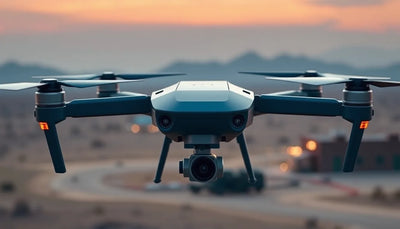
The DJI Neo 2 example is instructive. At 151 grams, the aircraft sits firmly in the consumer and prosumer weight class. Yet a LiDAR sensor option would place it inside the proposed framework, according to the source reporting. That means a pilot flying mapping missions for a construction firm, a surveyor documenting a roof, or a small business owner inspecting a property could suddenly be operating equipment that regulators describe in defense terms. For fleet managers, that language shift carries procurement, insurance, and resale consequences even before any formal enforcement action occurs.
Reboot Hub analysis: the practical risk is not immediate confiscation or a sudden sales freeze. It is the slower, messier process of reclassification, where ambiguous definitions create hesitation among insurers, lenders, and enterprise buyers. When a regulatory category becomes uncertain, commercial counterparties tend to price that uncertainty into their decisions.
Why thermal, LiDAR, and dock-equipped models are the flashpoint
Thermal and LiDAR payloads were once specialized tools reserved for public safety, utilities, and defense-adjacent work. Today they are standard options on drones used for agriculture, building inspection, search and rescue, and infrastructure monitoring. Dock-equipped models, which allow a drone to land, charge, and redeploy without human handling, are increasingly common in perimeter security and logistics pilots. The FCC proposal, as reported by DroneXL.co, does not appear to distinguish between a military operator and a commercial surveyor when evaluating these capabilities.
That is the core issue Reverdiau and other industry voices are raising. A definition built around capability rather than end user or deployment context will inevitably catch civilian hardware. The DJI Neo 2's LiDAR option is a compact, low-cost sensor aimed at mapping workflows, not munitions guidance. But under a broad capability test, the sensor type matters more than the airframe or the operator's business license.
For repair shops and parts suppliers, this creates a second-order problem. If a model or sensor is reclassified, the downstream market for OEM-pulled parts, replacement sensors, and pre-owned units becomes harder to underwrite. A repair customer asking for a LiDAR module replacement may find that the part is still legal to own but harder to source through normal channels. That friction shows up in longer lead times, higher prices, and more conservative inventory decisions.
What this means for drone buyers
Buyers evaluating a new or pre-owned drone with thermal, LiDAR, or dock capabilities should treat the FCC proposal as a live regulatory risk, not a distant policy debate. The September 2 comment deadline means the current definition is still open to revision, but the direction of the conversation is clear enough to affect purchasing decisions made in the next several weeks. A fleet manager planning a LiDAR-equipped purchase for late 2026 should at minimum understand which of the seven proposed categories their intended aircraft falls into.
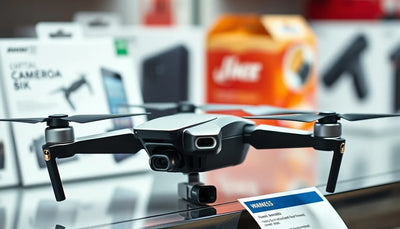
For individual buyers, the immediate question is simpler: does the drone I am about to buy carry a payload that could be reclassified? If the answer is yes, the resale value of that aircraft may become less predictable. Pre-owned DJI models with LiDAR or thermal options could see wider price spreads between sellers who are aware of the proposal and buyers who are not. That is not a reason to avoid capable hardware. It is a reason to price regulatory uncertainty into the purchase decision and to keep documentation of the aircraft's commercial use case. Buyers considering a pristine pre-owned DJI Neo 2 or similar LiDAR-capable model may want to review how the proposed categories apply before committing, since the Pristine Pre Owned Dji Neo 2 sits directly inside the sensor category under discussion. For buyers comparing ownership options, Pristine Pre-Owned DJI Neo 2 provides a practical next step for model, condition, and replacement timing.
Operators should also consider the insurance angle. Underwriters often follow federal definitions when setting policy terms. If the FCC adopts a broad military-grade classification, insurers may ask new questions about LiDAR and thermal payloads, even on sub-250-gram aircraft. A pilot who can document that their drone is used for mapping, inspection, or agricultural work will be in a stronger position than one who cannot articulate a clear commercial purpose.
What operators should do before September 2
The most concrete action available to U.S. operators is filing a public comment before the September 2 deadline. DroneXL.co's reporting, based on Reverdiau's breakdown, includes guidance on how to submit comments and which of the seven categories deserve the most attention from commercial users. The comment process is the only formal channel for pushing back on a definition that currently treats a 151-gram consumer drone's LiDAR sensor the same way it might treat a fixed-wing military surveillance platform.
Fleet managers should also audit their current inventory against the seven reported categories. That audit does not need to be elaborate. It means listing which aircraft carry thermal, LiDAR, or dock capabilities, noting the commercial purpose of each, and flagging any model that could become harder to resell or insure if the definition is adopted as written. For repair customers, the audit should extend to spare parts. A LiDAR module or thermal camera sitting on a shelf is not just inventory; it is inventory whose market status may change.
The pre-owned market will absorb this news unevenly. Sellers with LiDAR-equipped models may see more buyer questions about regulatory status. Buyers may start asking for proof of original commercial use or sensor documentation. None of that is required today, but it is the kind of behavior that emerges when a regulatory definition creates ambiguity around hardware that was previously treated as ordinary.
FAQ
Frequently asked questions
What is the FCC proposing for military-grade drones?
The FCC is proposing a definition of military-grade drones that could cover thermal, LiDAR, and dock-equipped models already on the commercial market, according to DroneXL.co and Pilot Institute's Greg Reverdiau.
Could the DJI Neo 2 be affected by the FCC proposal?
Yes. The source reporting indicates that the LiDAR sensor option on the 151-gram DJI Neo 2 could fall under the proposed military-grade definition, even though the aircraft itself is a compact consumer and prosumer model.
What should drone operators do before September 2?
Operators should review the seven proposed capability categories, audit their current fleet for thermal, LiDAR, or dock-equipped models, and consider filing a public comment before the September 2 deadline.
Which sources support this update?
The visible evidence links identify DroneXL.co; each source is used only for the claim it directly supports.
What remains subject to change?
Retail pricing, availability, product bundles and regulatory timelines can change. Readers should verify the latest terms with the named retailer, manufacturer or regulator before acting.
How should buyers or operators use this analysis?
Use the verified facts as a starting point, then compare mission fit, lifecycle support, maintenance needs and current procurement terms before making a purchase or fleet decision.
Sources consulted
- DroneXL.co - primary source
- FCC Covered List - official regulator source
Reboot Hub Editorial adds buyer, repair, resale, and operational analysis for drone owners. If you spot an error, contact us for correction review through our editorial policy.