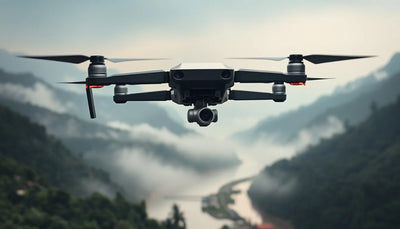
FCC Opens Comment Period on Proposed Blocking of 9 DJI-Linked Brands
The FCC invites public comment on a plan to block sales of nine DJI-linked brands, shrinking purchase options for U.S. operators. Fleet managers and repair customers are already turning to pre-owned DJI drones to secure equipment.

The Federal Communications Commission has formally opened a comment period on a proposal to block the sale of nine drone brands linked to DJI. The move, widely interpreted as an escalation of national security scrutiny on Chinese-made unmanned aircraft systems (UAS), could eliminate a significant portion of new-drone inventory available to U.S. commercial operators. For buyers, fleet managers, and repair customers who depend on DJI hardware, the regulatory front is narrowing — and the window to secure fresh inventory may be closing.
Reporting from DroneXL notes that industry analyst Russ warns U.S. buyers are “running out of options” as the FCC signals its intention to restrict sales under Section 2 of the Communications Act. The comment period gives stakeholders a brief opportunity to weigh in before the agency decides whether to ban the sale of nine distinct brands that share ownership, supply chains, or licensing ties to Shenzhen-based DJI. While the comment docket offers a procedural window, the practical effect for drone operators is immediate: every month of uncertainty reshapes purchasing timelines and fleet replacement cycles.
The nine brands and the scope of the FCC proposal
Although the FCC’s public notice does not name every brand in the proposal, the agency’s investigation targets products that rely on DJI technology, manufacturing, or software. Reports indicate the list includes well-known sub-brands and OEM partners that supply parts and pre-built drones to the U.S. market. The nine linked brands cover consumer, enterprise, and industrial drone categories — from compact camera drones to heavy-lift platforms used in agriculture and inspection.
Operator checklist
Turn policy news into a safer fleet decision.
Before changing aircraft, compare repair paths, available DJI inventory, and trade-in timing against the rule change.

The FCC’s authority under Section 2 allows it to block equipment that it determines poses an unacceptable risk to communications infrastructure. In recent years, the agency has designated several DJI models as “covered” equipment, effectively barring their use with federal funds. This latest proposal extends prohibition to the point of sale: if implemented, no entity within U.S. jurisdiction could legally import or distribute new units from those nine brands. The comment period is the formal step before a final ruling.
For commercial drone buyers, the distinction matters. Even if a brand is not labeled DJI, its supply chain may still be wrapped into DJI’s ecosystem. That means a “safe” brand today could be blocked tomorrow. The proposal creates a chilling effect across the entire secondary market for new drone inventory, pressuring distributors to pause orders and reassess their sourcing.
What this means for drone buyers
The immediate takeaway for any U.S.-based drone buyer is that the supply of new DJI-linked drones is finite and possibly shrinking. If you are planning a fleet expansion or replacing a damaged unit in the next six to twelve months, the FCC comment period is the first signal that you may not be able to purchase a new unit of your preferred model by late 2026.
Fleet operators who rely on DJI’s Matrice or Mavic Enterprise lines should begin scenario planning now. Ordering backup units, expanding parts inventories, and securing service contracts while the new-market channel is still open is a pragmatic hedge. The pre-owned DJI market is already seeing increased interest as buyers who cannot wait for an uncertain regulatory outcome turn to inspected, pre-owned DJI drones. Pre-owned units offer a faster path to fleet continuity because they are already in-country and not subject to new import prohibitions.
For repair customers, the stakes are equally high. If a component becomes blocked at the port, genuine OEM spare parts become harder to source. Many repair shops — including Reboot Hub’s professional DJI repair services — already stock OEM-pulled parts from retired fleet units, but demand is expected to rise. Repair customers should consider proactive maintenance and part replacement now, rather than waiting for a failure after the supply window closes.
Impact on the pre-owned DJI market and repair ecosystem
Reboot Hub analysis: Ban proposals historically accelerate the pre-owned market. When new supply lines are threatened, buyers shift to used equipment that already cleared customs. The pre-owned DJI drone segment is likely to see both price appreciation and reduced inventory as fleet operators hold onto existing assets longer.
For a repair specialist, the regulatory squeeze also underscores the value of OEM-pulled components. When new replacement parts from DJI are blocked, the only source for genuine components becomes the teardown of pre-owned airframes. This is not a theoretical risk — during earlier DJI restrictions in 2020–2022, repair turnarounds doubled in some regions because parts could not clear customs. A well-prepared repair shop that maintains a stock of pulled motors, gimbals, and logic boards can keep customer drones flying even if import channels are severed.
Fleet managers should also look at trade-in cycles. If you are holding a fleet of older DJI models that are still in good condition, trading them up now — while the new-market window still exists — could be more advantageous than waiting until after a ban takes effect. The drone trade-in guide offers a framework for evaluating residual value in a tightening regulatory environment.
Next steps and how to participate in the FCC comment period
The FCC is accepting public comments for a period of 30 days from the date of publication in the Federal Register. Any person or organization — drone operator, repair shop, trade association, or individual buyer — can submit a formal comment through the FCC’s Electronic Comment Filing System (ECFS). The docket number is expected to be published alongside the notice. Industry groups like the Small UAV Coalition and AUVSI typically file detailed comments, but individual stories from commercial operators carry weight.
If you rely on DJI equipment for your business, consider filing a brief comment that explains: how a ban would affect your operations, whether you have alternative suppliers, and the economic cost of switching ecosystems. The FCC is required to consider the public interest, and concrete operating impacts can influence the final decision or delay implementation.
Separate from the official comment period, drone buyers should revisit their procurement timelines. New orders placed now may still clear before a potential ban takes effect, but lead times from distributors are extending. For any model that appears on the suspected brand list, the safest procurement route today is via inspected pre-owned inventory that is already on U.S. soil. Reboot Hub’s pre-owned DJI drones are individually inspected, tested, and backed by parts availability — a buffer against regulatory supply shocks.
Repair shops should also prepare. If you operate a fleet that uses DJI platforms, confirm that your repair partner stocks genuine OEM spare parts and has a plan for sourcing components if new imports are blocked. Professional DJI repair services that rely on pulled OEM parts can continue servicing aircraft even after a sales ban takes effect, because the parts are sourced from pre-owned units already in the country.
What should I do if I need a new DJI drone for a project starting in three months?
Order now from a domestic distributor that can confirm inventory is physically in the United States. If new units are unavailable, consider an inspected pre-owned DJI drone from a reputable source. Pre-owned units are not subject to import bans and can be delivered immediately.
Will the FCC proposal affect the repair of DJI drones I already own?
Not directly, but it could limit the availability of new OEM spare parts. If a ban blocks the import of new components, repair turnaround times may increase. Using a repair shop that stocks OEM-pulled parts from retired pre-owned drones can mitigate this risk.
How do I find the FCC docket number to file a comment?
The docket number will be listed in the Federal Register notice published in the coming days. You can search for “FCC DJI 2026” on the FCC’s ECFS website once the notice is live. Submitting a comment is free and can be done by any individual or business.
Sources consulted
Additional official documentation was not available at publication time.
Reboot Hub Editorial adds buyer, repair, resale, and operational analysis for drone owners. If you spot an error, contact us for correction review through our editorial policy.
This article is market commentary for drone operators and buyers, not investment advice. Reboot Hub does not provide financial advice or recommend securities transactions.