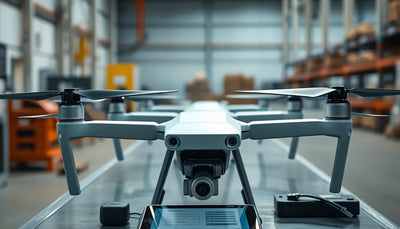
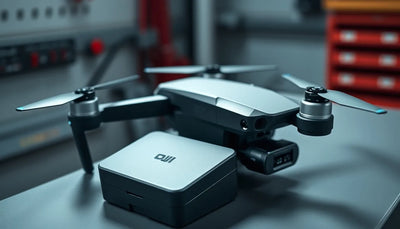
FCC Moves to Ban Rebranded DJI Drones Sold Under Other Names
The FCC is moving to ban rebranded DJI drones sold under other names, closing a loophole that allowed national security concerns to be bypassed. This action could disrupt supply chains, affect pre-owned values, and change fleet purchasing strategies. Operators should understand the risks.

On July 22, 2026, reports surfaced that the U.S. Federal Communications Commission is taking formal steps to ban rebranded DJI drones—aircraft originally manufactured by DJI but sold under different company names. According to Technology Org, the FCC move targets a practice that has allowed certain non-DJI brand labels to circumvent earlier restrictions aimed at DJI hardware. For fleet operators, repair customers, and buyers in the pre-owned DJI market, this development signals a significant shift in regulatory enforcement that could alter supply chains and asset value calculations.
Background of the FCC’s latest action
The FCC has previously designated DJI as a national security concern, leading to restrictions on the sale and operation of new DJI drones on public spectrum in the United States. However, some manufacturers have repackaged DJI hardware under their own brand names—effectively “white-labeling” the aircraft—and continued to sell them in the U.S. market. The reported FCC move directly addresses this loophole. The commission intends to block the authorization of any device that is “substantially similar” to a product from a covered entity, even if sold under a different brand. This means that a drone built on DJI’s platforms—regardless of the label on the box—may soon be ineligible for new FCC certification and import.
While the exact timeline and scope of the ban have not been detailed in the source reports, the announcement is consistent with the FCC’s broader pattern of tightening restrictions on Chinese-made telecommunications and drone hardware. For commercial operators, the key takeaway is that buying a rebranded DJI drone as a workaround to FCC rules is no longer a viable strategy.
Operator checklist
Turn policy news into a safer fleet decision.
Before changing aircraft, compare repair paths, available DJI inventory, and trade-in timing against the rule change.

What this means for drone buyers
For any operator currently evaluating a non-DJI brand drone that is known or suspected to be a DJI design underneath, the FCC action creates immediate due diligence obligations. Buyers should verify whether the model they are considering has received FCC authorization based on its own merits or via a DJI-linked grant. If the authorization is tied to a DJI filing, that approval could be revoked or not renewed. This uncertainty directly affects new purchases, but also the resale value of existing units that fall into this category.
Fleet managers should review their current inventory for any rebranded DJI drones. If such aircraft are identified, long-term operability on licensed spectrum may become constrained. Additionally, the availability of replacement parts and firmware updates—already limited for non-DJI branded units—could shrink further. When planning future procurement, sticking with direct DJI models or fully independent alternatives may reduce regulatory risk. For those looking to acquire pre-owned DJI drones from trusted sources, sourcing from a reputable supplier that verifies original certification remains prudent. Many operators turn to pre-owned DJI drones that carry clear FCC markings and traceable provenance.
Impact on the pre-owned and repair markets
Reboot Hub analysis: The second-hand drone market is likely to feel the ripple effects quickly. Rebranded DJI drones that were previously considered a bargain may drop in value as their future compliance becomes unclear. Sellers may need to disclose the original manufacturer and FCC grant history to maintain buyer confidence. Conversely, certified pre-owned DJI drones that were sold directly under the DJI brand could see stable or even increased demand, as operators seek hardware with transparent regulatory status.
Repair services also face new challenges. Many rebranded DJI drones use identical internal components, but sourcing genuine OEM spare parts for these units has traditionally been difficult because the parts are often routed through unofficial supply chains. With FCC scrutiny increasing, genuine repair paths may become even more critical. Operators who depend on third-party repair shops should confirm that the shop uses OEM-pulled parts and follows DJI service procedures to avoid creating a non-compliant aircraft.
Another consideration for fleet owners is the trade-in value of rebranded drones. If you are planning to upgrade or consolidate equipment, it may be wise to move those units sooner rather than later. Consulting a drone trade-in guide can help you compare offers and understand how regulatory news influences pricing.
Steps operators should take now
Based on the FCC’s reported intent, drone buyers and fleet managers should consider the following practical actions:
- Audit your fleet – Identify any drones that are not branded as DJI but are known or suspected to contain DJI internal designs. Check the FCC ID on the device; if the grantee code corresponds to DJI or a known DJI-owned entity, the risk is higher.
- Review procurement contracts – If your organization has purchase agreements for rebranded DJI drones, consult legal counsel about force majeure or regulatory change clauses. The ability to cancel or renegotiate orders may depend on the wording.
- Plan for spectrum limitations – Even if existing units remain authorized, future firmware updates or re-certification requirements could restrict operation on certain frequencies. Ensure your operational plans account for potential loss of 5.8 GHz or other bands.
- Prioritize transparent supply chains – For new acquisitions, favor drones with clear, independent FCC authorizations. Document the certification status of every aircraft in your fleet.
- Evaluate repair and support readiness – Ensure your repair provider can service DJI-based hardware using genuine OEM parts and maintain proper documentation. This becomes especially important if original manufacturer support for rebranded units wanes.
The bottom line: the FCC is closing a loophole, and the window for buying rebranded DJI drones without regulatory ambiguity is closing. Operators who act proactively will avoid costly surprises.
Will my existing rebranded DJI drone be illegal to use?
At this stage, the FCC’s reported action focuses on new authorizations and imports, not immediate retroactive bans on devices already in the field. However, if the manufacturer loses its FCC equipment authorization, future operation could become restricted. Monitoring FCC public notices for changes to specific grants is recommended.
How can I tell if my drone is a rebranded DJI model?
Check the FCC ID label on the drone body or in the battery compartment. If the first three characters (the grantee code) match a known DJI entity—such as SS3 for DJI—or if the design appears identical to a DJI model listed on the FCC database, it is likely rebranded. Cross-reference with the manufacturer’s stated origin and independent teardown reports.
Should I sell my rebranded DJI drone now?
Market pricing for these units may soften as buyers become aware of the regulatory risk. If you plan to sell, doing so before public clarification of the FCC’s plan might secure a higher price. Using a reputable marketplace or trade-in program that accepts pre-owned DJI drones can provide a clearer exit path.
Sources consulted
- FCC Covered List - official regulator source
Additional official documentation was not available at publication time.
Reboot Hub Editorial adds buyer, repair, resale, and operational analysis for drone owners. If you spot an error, contact us for correction review through our editorial policy.