FCC Approval Moves 2-in-1 Pocket Drone Gimbal Camera Closer to Market
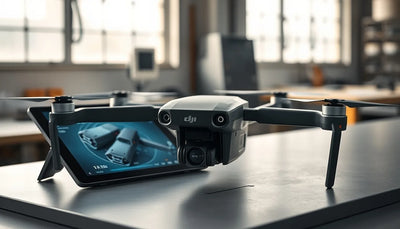
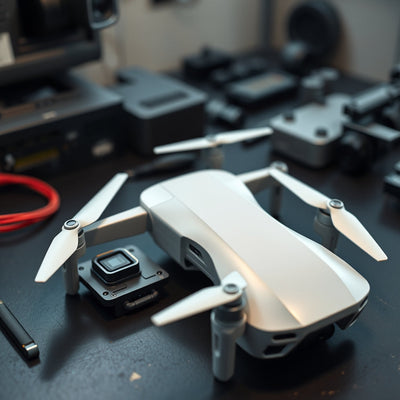
A new 2-in-1 device that functions as both a pocket drone and a handheld gimbal camera has received FCC approval, according to a TechRadar report. The filing signals regulatory progress toward a commercial launch and a fresh form factor for compact aerial imaging.

Quick answer
A 2-in-1 device that doubles as a pocket drone and handheld gimbal camera has received FCC approval, according to TechRadar.
- The device combines pocket drone flight with handheld gimbal camera use.
- FCC approval is a regulatory milestone before a possible US market launch.
- TechRadar framed the product as a potential DJI Pocket alternative with flight capability.
- No launch date, pricing, or technical specifications were included in the source report.
Evidence: FAA UAS official guidance
Operator checklist
Turn policy news into a safer fleet decision.
Before changing aircraft, compare repair paths, available DJI inventory, and trade-in timing against the rule change.

TechRadar reports that the world's first 2-in-1 device designed to function as both a pocket drone and a handheld gimbal camera has received approval from the United States Federal Communications Commission. The development, published through Google News's DJI feed, positions the unnamed product as a potential competitor to DJI's pocket gimbal camera line while adding a flight capability that current DJI handheld models do not offer.
For commercial operators, fleet buyers, and repair-focused readers, the FCC filing matters less for what it reveals about the product's specifications and more for what it signals about the regulatory pathway. A device that crosses categories between a handheld camera and an aerial platform must satisfy equipment authorization requirements that are not identical to those for a conventional consumer drone. The approval suggests the manufacturer has cleared at least one significant compliance hurdle on the road to a possible United States launch.
The regulatory milestone and what the source actually confirms
According to the TechRadar report, the FCC approval marks a concrete regulatory step for a product category that has not previously existed in this exact form. The source describes the device as the world's first 2-in-1 drone that doubles as a pocket gimbal camera, and the framing invites comparison to a hypothetical DJI Pocket 4 with flight capability. That comparison is the source's editorial framing rather than a statement from DJI, and Reboot Hub analysis should treat it as such.
The report does not include the manufacturer's name, the product's model designation, pricing, launch timing, camera specifications, flight time, transmission range, or weight. Those omissions are significant for commercial readers because they mean the FCC approval cannot yet be evaluated against operational requirements such as Part 107 weight thresholds, payload considerations, or fleet integration needs. What the source does establish is that a regulatory filing has occurred and that the product concept is advanced enough to enter the FCC equipment authorization process.
Why a pocket drone gimbal hybrid changes the compact imaging conversation
The core commercial question raised by the TechRadar report is whether a single device can credibly serve two distinct use cases. A pocket gimbal camera is primarily a ground-based stabilization tool for handheld video capture. A pocket drone is an aerial platform with different power, safety, and regulatory obligations. Combining them in one body could appeal to solo content creators, inspection technicians, real estate media producers, and field documentation teams who currently carry separate tools.
From a market trends perspective, the filing suggests manufacturers are still searching for differentiation in the sub-250-gram consumer and light commercial segment. DJI's product line has largely kept handheld gimbal cameras and compact drones as separate categories, with the Osmo Pocket series on the ground and the Mini series in the air. A credible hybrid would test whether buyers value consolidation over specialization. Reboot Hub analysis views that test as commercially meaningful because it could influence how quickly older compact drones and handheld gimbals lose resale value if a capable combined device reaches the market.
What this means for drone owners and the market
For current DJI owners, the FCC approval does not change the operational status of any existing aircraft, and it does not introduce new compliance obligations. Pilots should not expect immediate product availability, and no procurement decision should be made on the basis of a single regulatory filing. The practical takeaway is to monitor whether the manufacturer follows the FCC approval with a formal product announcement, pricing, and specification disclosures that would allow a meaningful comparison against current DJI compact drones and handheld gimbal cameras.
For fleet managers and repair customers, the more durable signal is that the compact aerial imaging segment continues to attract new entrants and form factors. That trend historically pressures pricing on older models and increases the supply of pre-owned DJI drones as operators rotate equipment. Readers evaluating the pre-owned market can use resources like the Drone Wiki to understand how existing DJI models hold their value and what repair and parts considerations apply when a new product category begins to shift buyer attention. The sensible operator-facing action is to delay any fleet expansion tied to this product until verified specifications and launch details exist. For owners evaluating service and lifecycle risk, Drone Wiki explains the relevant repair, parts, resale, or operational path.
The second-hand market impact is indirect but worth watching. If a hybrid pocket drone gimbal proves capable and affordable, it could accelerate trade-ins of first-generation DJI Mini models and Osmo Pocket units among solo operators and content teams. That would expand the inspected pre-owned inventory available to budget-conscious buyers while also increasing demand for genuine OEM spare parts as older units change hands. None of that is guaranteed by an FCC filing, but the filing is the first observable step in a sequence that historically leads to product launches and market adjustment.
What to watch next
The next meaningful signal will be a formal product announcement with confirmed specifications, pricing, and regional availability. Until that occurs, the FCC approval should be treated as a regulatory checkpoint rather than a market event. Commercial readers should also watch whether the manufacturer pursues additional certifications in the European Union, United Kingdom, or other major markets, since a United States FCC approval alone does not establish global availability.
For repair shops and parts suppliers, the relevant question is whether a hybrid device introduces proprietary components that complicate serviceability. A combined gimbal and flight system could concentrate wear and failure risk in a single module, which would affect repair economics differently than separate handheld and aerial products. That remains source-limited analysis because the TechRadar report provides no teardown, parts, or serviceability information.
FAQ
Frequently asked questions
Does FCC approval mean the 2-in-1 drone is available to buy?
No. The TechRadar report confirms only that the device received FCC approval. There is no launch date, pricing, or retail availability information in the source.
Is this product made by DJI?
The source does not identify the manufacturer. TechRadar framed the device as a potential competitor to a DJI Pocket-style camera with flight capability, but no DJI involvement is confirmed.
Should fleet operators wait for this device before buying compact drones?
No procurement decision should hinge on an FCC filing alone. Operators should wait for confirmed specifications, pricing, and availability before comparing the product against existing DJI compact drones or handheld gimbal cameras.
Which sources support this update?
The visible evidence links identify FAA UAS official guidance; each source is used only for the claim it directly supports.
What remains subject to change?
Retail pricing, availability, product bundles and regulatory timelines can change. Readers should verify the latest terms with the named retailer, manufacturer or regulator before acting.
How should buyers or operators use this analysis?
Use the verified facts as a starting point, then compare mission fit, lifecycle support, maintenance needs and current procurement terms before making a purchase or fleet decision.
Sources consulted
- FAA UAS official guidance - official regulator source
- FCC Covered List - official regulator source
Reboot Hub Editorial adds buyer, repair, resale, and operational analysis for drone owners. If you spot an error, contact us for correction review through our editorial policy.