DoorDash Air Reveals Purpose-Built Drone for Restaurant Delivery
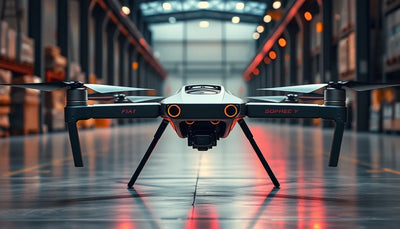
DoorDash has unveiled DoorDash Air, a purpose-built six-propeller delivery drone with restaurant loading infrastructure and marketplace integration. The company will pilot the system in Northern California. The announcement signals a new phase in commercial drone delivery competition and infrastructure investment.

Quick answer
DoorDash unveiled DoorDash Air, a purpose-built six-propeller delivery drone with restaurant loading infrastructure and marketplace integration, with pilots planned in Northern California.
- DoorDash Air combines a new six-propeller aircraft with restaurant loading infrastructure
- The system integrates with DoorDash's existing delivery marketplace
- Pilots will begin in Northern California
- The announcement was reported by DRONELIFE on September 30, 2026
Evidence: DRONELIFE
Market context
Turn market news into a buy, repair, or trade-in decision.
Compare pre-owned availability, resale timing, and repair economics before the market moves again.

DoorDash has officially entered the in-house drone delivery hardware race. According to reporting by DRONELIFE, the company unveiled DoorDash Air, a purpose-built delivery drone and supporting system for restaurant deliveries. The announcement, published on September 30, 2026, provides new details about the aircraft and the infrastructure behind DoorDash's in-house drone program.
The DoorDash Air system combines a new six-propeller aircraft with restaurant loading infrastructure and the company's existing delivery marketplace. DoorDash plans to begin piloting the system in Northern California. For commercial drone operators, fleet buyers, and repair-focused businesses, the announcement is a meaningful signal about where delivery drone investment is heading in the United States.
What DoorDash Air includes
DRONELIFE reports that DoorDash Air is built around a six-propeller aircraft designed specifically for restaurant deliveries. The system also includes restaurant loading infrastructure, which suggests a more integrated approach than simply deploying standalone drones. By pairing the aircraft with dedicated loading hardware at restaurant locations, DoorDash appears to be addressing one of the persistent operational challenges in drone delivery: consistent, reliable handoff between restaurant staff and the aircraft.
The integration with DoorDash's existing delivery marketplace is another important detail. DoorDash already operates a large network of restaurant partners and delivery demand. Adding drone delivery as an in-house capability means the company can route orders through its own platform rather than relying on third-party drone operators. For commercial drone service providers, this raises questions about how the delivery drone market will be divided between platform-owned fleets and independent operators.
Northern California pilot and what it signals
DoorDash will begin piloting DoorDash Air in Northern California, according to the DRONELIFE report. The choice of region is consistent with the broader commercial drone delivery landscape in the United States, where several companies have concentrated early testing and operational activity in California and nearby states. Northern California offers a combination of dense suburban demand, restaurant density, and regulatory familiarity that makes it a logical starting point.
The pilot phase matters for fleet operators and drone buyers because it represents real-world validation. Pilot programs generate operational data on aircraft reliability, battery performance, weather tolerance, and maintenance needs. Those data points eventually influence procurement decisions across the industry. While DoorDash has not published technical specifications in this announcement, the move from concept to pilot indicates that the company is committing resources to drone delivery as a long-term operational capability rather than a marketing experiment.
What this means for drone owners and the market
The DoorDash Air announcement is part of a broader commercial delivery drone trend that has been building for several years. Large platform companies are increasingly bringing drone hardware and operations in-house, which could reshape demand for third-party drone services. For independent commercial operators, the implication is that delivery work may consolidate around a smaller number of large platform operators rather than spreading across many small service providers. That does not eliminate opportunity, but it shifts where the opportunity sits.
For drone buyers and repair customers, the announcement reinforces the importance of understanding the commercial drone supply chain. Purpose-built delivery aircraft like the DoorDash Air system require specialized spare parts, maintenance workflows, and repair infrastructure. As more of these aircraft enter service, the market for professional repair and genuine OEM spare parts will expand. Reboot Hub analysis suggests that operators who already maintain enterprise or commercial fleets should watch how delivery drone maintenance models develop, because those models often influence parts availability and service standards across adjacent segments. For readers tracking the pre-owned DJI market, the delivery drone trend is less about direct competition and more about the overall maturation of commercial drone operations, which tends to increase demand for reliable inspection, repair, and parts sourcing across all fleet types. Our Drone Wiki provides additional context on commercial drone categories and maintenance considerations. For owners evaluating service and lifecycle risk, Drone Wiki explains the relevant repair, parts, resale, or operational path.
One practical takeaway for fleet managers and procurement teams is to monitor pilot program outcomes closely. Early operational data from Northern California could reveal whether purpose-built delivery drones achieve the reliability and cost targets that platform companies need. If they do, expect accelerated investment in delivery drone infrastructure and a corresponding increase in demand for trained maintenance personnel and OEM-pulled parts. If they do not, the market may remain fragmented longer than current enthusiasm suggests.
The competitive landscape for delivery drones
DoorDash is not alone in pursuing drone delivery. The commercial drone delivery space includes established players and newer entrants, each with different approaches to aircraft design, infrastructure, and market integration. What distinguishes the DoorDash Air announcement is the combination of a purpose-built aircraft with an existing high-volume marketplace. That pairing could give DoorDash a faster path to meaningful delivery volume than companies that must build both demand and hardware from scratch.
For commercial operators and drone buyers, the competitive landscape matters because it influences which platforms and aircraft become standard. Standardization affects parts availability, repair costs, and resale value. Aircraft that achieve scale tend to have more mature supply chains for batteries, propellers, motors, and structural components. Aircraft that remain niche often face longer repair lead times and higher parts costs. The DoorDash Air pilot will be an early test of whether a marketplace-integrated, purpose-built delivery drone can reach meaningful operational scale.
FAQ
Frequently asked questions
What is DoorDash Air?
DoorDash Air is DoorDash's purpose-built drone delivery system, combining a six-propeller aircraft with restaurant loading infrastructure and integration into the company's existing delivery marketplace, as reported by DRONELIFE.
Where will DoorDash Air be piloted?
DoorDash plans to begin piloting DoorDash Air in Northern California, according to the DRONELIFE report published on September 30, 2026.
Why does the DoorDash Air launch matter for drone buyers and operators?
The launch signals growing investment in purpose-built commercial delivery drones, which could influence parts availability, repair demand, and the competitive structure of the commercial drone services market over time.
Which sources support this update?
The visible evidence links identify DRONELIFE; each source is used only for the claim it directly supports.
What remains subject to change?
Retail pricing, availability, product bundles and regulatory timelines can change. Readers should verify the latest terms with the named retailer, manufacturer or regulator before acting.
How should buyers or operators use this analysis?
Use the verified facts as a starting point, then compare mission fit, lifecycle support, maintenance needs and current procurement terms before making a purchase or fleet decision.
Sources consulted
- DRONELIFE - primary source
Additional official documentation was not available at publication time.
Reboot Hub Editorial adds buyer, repair, resale, and operational analysis for drone owners. If you spot an error, contact us for correction review through our editorial policy.