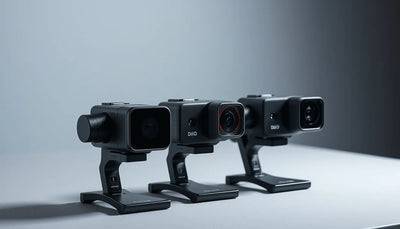
DJI Pocket 4P Color Grading Workflow Published for D-Log and D-Log 2
A new DroneXL.co report details a published DJI Osmo Pocket 4P color grading workflow for D-Log and D-Log 2 footage in DaVinci Resolve. The settings guidance matters for commercial operators who need consistent, gradeable footage across compact camera fleets.

Quick answer
DroneXL.co published a DJI Osmo Pocket 4P color grading guide covering D-Log and D-Log 2 workflows in DaVinci Resolve.
- The report details camera settings and DaVinci Resolve grading steps for DJI Osmo Pocket 4P footage.
- It covers both D-Log and D-Log 2 color profiles.
- The workflow is attributed to Mihail Svilenov.
- The material is relevant to operators standardizing compact camera post-production.
Evidence: DroneXL.co
DJI buying context
Match product news to hardware you can actually deploy.
Check inspected DJI aircraft, repair support, and trade-in timing before deciding whether to upgrade, repair, or wait.

Verified facts
What the available evidence confirms
| Profile | Workflow coverage |
|---|---|
| D-Log | Camera settings and DaVinci Resolve grading steps covered |
| D-Log 2 | Camera settings and DaVinci Resolve grading steps covered |
A newly published workflow from DroneXL.co documents how Mihail Svilenov approaches color grading on the DJI Osmo Pocket 4P, with specific attention to D-Log and D-Log 2 footage processed in DaVinci Resolve. The report, published on August 28, 2026, outlines camera settings and grading steps intended to help operators avoid common mistakes when handling log-format material from the compact gimbal camera.
For commercial operators who run mixed fleets of larger drones and compact handheld cameras, the relevance is straightforward: log footage that is not graded consistently creates color mismatches across deliverables, slows post-production, and makes it harder to hand off projects between editors. A documented Pocket 4P workflow gives teams a reference point for matching compact camera output to their broader production pipeline.
What the published workflow covers
According to the DroneXL.co report, Svilenov shares his exact DJI Osmo Pocket 4P camera settings alongside a DaVinci Resolve color grading workflow for both D-Log and D-Log 2 footage. The guide is framed around correcting common grading errors rather than offering generic advice, which makes it more useful for operators who already shoot in log but have struggled with consistent results.
The practical implication is that teams using the Pocket 4P as a secondary or B-camera can adopt a documented starting point instead of building a grading pipeline from scratch. That reduces the trial-and-error period that often accompanies new compact camera deployments, particularly when footage needs to intercut with drone material from DJI airframes that also record in log profiles.
Why log grading consistency matters commercially
Log profiles preserve dynamic range but require deliberate grading to look correct in final delivery. When a production team treats log footage inconsistently, the result is visible color shifts between shots, mismatched skin tones, and extra correction time in post. For operators billing by project or managing tight turnaround schedules, that inconsistency translates directly into cost.
The DroneXL.co report highlights a workflow that addresses this problem at the camera-setting level before footage ever reaches the edit suite. For fleet managers and solo operators alike, standardizing on a documented Pocket 4P setup means fewer surprises when reviewing footage after a shoot. The same logic applies to pre-owned DJI equipment: a camera that has been used with consistent settings is easier to evaluate and integrate into an existing workflow than one with unknown configuration history.
What this means for drone owners and the market
DJI's ecosystem spans aerial drones and handheld gimbal cameras, and many commercial operators already use both. A published grading workflow for the Osmo Pocket 4P reinforces the value of treating compact cameras as part of the same production asset base as drones, rather than as separate consumer gadgets. For buyers considering inspected pre-owned DJI equipment, documented workflows also make it easier to assess whether a compact camera will fit into an existing post-production chain. Teams that rely on consistent color across drone and ground footage can use resources like the Drone Wiki to compare workflow notes and maintenance context across DJI models before committing to new or pre-owned hardware.
The second-hand market impact is subtle but real. Compact cameras like the Pocket 4P hold value better when buyers can find clear guidance on how to use them professionally. A published, source-attributed grading workflow lowers the knowledge barrier for operators considering a pre-owned unit, which supports more informed purchasing decisions and reduces the risk of buyer regret tied to post-production difficulties. For owners evaluating service and lifecycle risk, Drone Wiki explains the relevant repair, parts, resale, or operational path.
What operators should do differently
The immediate takeaway for a buyer, pilot, or fleet manager is to treat camera settings documentation as part of equipment onboarding. If a team adds a DJI Osmo Pocket 4P to its kit, the first step should be aligning its log profile and camera settings with the documented workflow before shooting paid work. Waiting until footage is in the edit suite to discover grading inconsistencies is the most expensive way to learn that lesson.
For repair customers and pre-owned buyers, the same principle applies in reverse. When evaluating a used Pocket 4P or any DJI camera, ask whether the seller can provide information about how the device was configured and used. A unit that has been maintained with consistent settings and regular firmware hygiene is generally a safer purchase than one with unknown operational history. The DroneXL.co report does not address hardware reliability, but its focus on settings discipline supports the broader point that documentation adds commercial value to camera equipment.
FAQ
Frequently asked questions
What is the main development in the DroneXL.co report?
DroneXL.co published a DJI Osmo Pocket 4P color grading guide by Mihail Svilenov covering camera settings and DaVinci Resolve workflows for D-Log and D-Log 2 footage.
Why does this matter for commercial drone operators?
Operators who use compact DJI cameras alongside drones need consistent log grading to avoid color mismatches and extra post-production time across mixed-footage projects.
Should pre-owned DJI Pocket 4P buyers care about this workflow?
Yes, because documented settings and workflow guidance make it easier to evaluate how a used camera will fit into an existing production pipeline before purchase.
Which sources support this update?
The visible evidence links identify DroneXL.co; each source is used only for the claim it directly supports.
What remains subject to change?
Retail pricing, availability, product bundles and regulatory timelines can change. Readers should verify the latest terms with the named retailer, manufacturer or regulator before acting.
How should buyers or operators use this analysis?
Use the verified facts as a starting point, then compare mission fit, lifecycle support, maintenance needs and current procurement terms before making a purchase or fleet decision.
Sources consulted
- DroneXL.co - primary source
Additional official documentation was not available at publication time.
Reboot Hub Editorial adds buyer, repair, resale, and operational analysis for drone owners. If you spot an error, contact us for correction review through our editorial policy.