DJI Osmo Pocket 4 Accessory Demand Signals Shift in Creator Hardware Spending
DroneXL's latest field report details which DJI Osmo Pocket 4 accessories working creators actually deploy. The accessory mix reveals changing spending patterns for handheld imaging gear, with direct implications for pre-owned DJI hardware and repair economics.

Quick answer
DroneXL published a field report on the DJI Osmo Pocket 4 accessories working creators actually use, covering protection, ND filters, microphones, batteries, and car rigs.
- The report identifies protection, ND filters, microphones, batteries, and car rigs as the accessory categories in active use.
- The accessory mix reflects how handheld creator tools increasingly mirror drone workflow spending patterns.
- The findings are attributed to DroneXL as the primary reporting source, with no independent official DJI confirmation available.
Verified facts
DJI buying context
Match product news to hardware you can actually deploy.
Check inspected DJI aircraft, repair support, and trade-in timing before deciding whether to upgrade, repair, or wait.

What the available evidence confirms
| Accessory category | Reported practical role |
|---|---|
| Protection | Shielding the Osmo Pocket 4 body and lens during transport and field use |
| ND filters | Managing exposure in bright conditions for handheld video capture |
| Microphones | Improving audio capture quality for creator workflows |
| Batteries | Extending shooting sessions and reducing downtime |
| Car rigs | Enabling vehicle-mounted capture scenarios |
DroneXL has published a field-focused report on the DJI Osmo Pocket 4 accessories that working creators actually reach for in daily use. The report, which serves as the primary source for this analysis, identifies five accessory categories as the practical core: protection, ND filters, microphones, batteries, and car rigs. The list is notable less for novelty than for what it signals about how handheld creator hardware is now being purchased, maintained, and kept operational over time.
The accessory pattern matters because it mirrors a broader shift in the creator imaging market. Where earlier handheld gimbal generations often sold as standalone gadgets, the Osmo Pocket 4 accessory conversation documented by DroneXL suggests buyers are treating these devices as part of a modular production kit. That has direct consequences for how operators budget, how repair demand develops, and how pre-owned DJI hardware retains value when accessories are bundled or missing.
What the accessory report actually documents
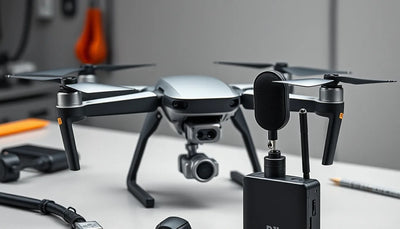
According to DroneXL's reporting, the accessories in active use fall into five functional groups. Protection covers physical shielding for the Osmo Pocket 4 body and lens during transport and field work. ND filters address exposure control in bright conditions, a recurring need for handheld video capture outdoors. Microphones are being added to improve audio quality, which remains a weak point for compact gimbal cameras used without external recording gear. Batteries extend shooting sessions and reduce downtime between takes. Car rigs enable vehicle-mounted capture, a use case that has grown as automotive and travel content has expanded.
None of these categories is surprising on its own. What is commercially relevant is the combined picture: creators are not treating the Osmo Pocket 4 as a closed, self-contained product. They are building a support ecosystem around it. That behavior has historically been more visible in the drone market, where ND filters, spare batteries, and transport cases are standard procurement items for serious operators. DroneXL's report suggests handheld creator tools are now following the same spending logic.
Why accessory behavior shapes repair and resale economics
Accessory attachment changes the lifecycle economics of a device. When buyers invest in filters, microphones, battery sets, and mounting hardware, they are signaling an intent to keep the core unit in service longer. That tends to increase demand for maintenance and repair rather than immediate replacement. For the pre-owned DJI market, the implication is that units sold with original accessories or compatible third-party kits may command stronger buyer interest than bare devices, even if the core camera body is identical. For owners evaluating service and lifecycle risk, Drone Wiki explains the relevant repair, parts, resale, or operational path.
Reboot Hub analysis: There is also a parts dimension. Protection accessories reduce physical damage, but they do not eliminate wear on gimbals, lens assemblies, or battery contacts. As more Osmo Pocket 4 units accumulate field hours with attached filters and external microphones, the repair channel is likely to see a steady flow of mechanical and connection-related service requests. Operators who rely on these tools for paid work will need access to genuine OEM spare parts and professional DJI repair capacity, especially for gimbal calibration and lens alignment issues that third-party fixes often cannot address reliably.
What this means for drone owners and the market
Drone operators should read this report as a signal about accessory standardization across DJI's broader creator ecosystem. The same procurement discipline that leads a drone fleet manager to stock ND filters and spare batteries is now visible in the handheld segment. For buyers evaluating pre-owned DJI hardware, the practical takeaway is to assess accessory compatibility and included items as part of the purchase decision, not as an afterthought. A unit that arrives with protection, filters, and power accessories in place is operationally ready sooner and carries fewer hidden setup costs. For those managing mixed fleets of drones and handheld cameras, the Drone Wiki at Drone Wiki provides reference material for understanding how DJI product lines and support considerations intersect across form factors.
The market implication is broader than one camera model. If accessory attachment rates rise across the handheld creator category, the revenue mix for DJI and its retail partners shifts toward consumables and add-ons. That is a familiar dynamic from the drone market, where batteries, propellers, and filters generate recurring revenue long after the initial airframe sale. For repair providers and pre-owned sellers, the same dynamic creates opportunities: units that are well accessorized are easier to resell, and accessory-related wear generates predictable service demand.
What buyers and operators should do differently
The most actionable takeaway from DroneXL's report is to treat accessory readiness as a core part of any DJI hardware evaluation. Buyers considering a pre-owned Osmo Pocket 4 or similar creator tool should ask what protection, power, and audio accessories are included, and whether the unit shows signs of heavy accessory use such as worn mounting points or filter thread damage. Fleet managers who operate both drones and handheld cameras should consider standardizing filter and power accessory procurement across device types where compatibility allows, reducing the number of separate accessory ecosystems they maintain.
Repair customers should also note that accessory-related failures are often easier to prevent than to fix. A damaged filter thread, a worn battery door, or a strained gimbal from an improperly balanced car rig can turn a working camera into a service case. Investing in the protection and mounting accessories that DroneXL identifies as standard practice among working creators is, in effect, a form of preventive maintenance. When failures do occur, seeking professional DJI repair with genuine OEM parts remains the safer path for preserving resale value and operational reliability.
FAQ
Frequently asked questions
What accessories does the DroneXL report identify for the DJI Osmo Pocket 4?
DroneXL identifies protection, ND filters, microphones, batteries, and car rigs as the accessory categories working creators actually use with the Osmo Pocket 4.
Why does accessory behavior matter for the pre-owned DJI market?
Accessory investment signals longer intended service life and can make pre-owned units more attractive to buyers when protection, power, and audio accessories are included with the sale.
Should drone operators care about handheld accessory trends?
Yes, because the accessory standardization visible in the Osmo Pocket 4 market mirrors the procurement patterns already common in drone fleets, and mixed-fleet operators can apply the same planning logic across device types.
Which sources support this update?
The article distinguishes reported information from analysis and does not present an unverified source as official confirmation.
What remains subject to change?
Retail pricing, availability, product bundles and regulatory timelines can change. Readers should verify the latest terms with the named retailer, manufacturer or regulator before acting.
How should buyers or operators use this analysis?
Use the verified facts as a starting point, then compare mission fit, lifecycle support, maintenance needs and current procurement terms before making a purchase or fleet decision.
Sources consulted
Additional official documentation was not available at publication time.
Reboot Hub Editorial adds buyer, repair, resale, and operational analysis for drone owners. If you spot an error, contact us for correction review through our editorial policy.