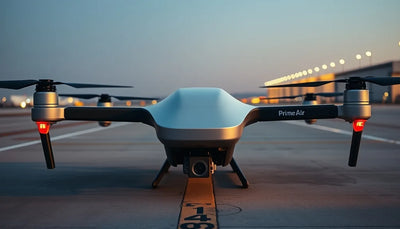
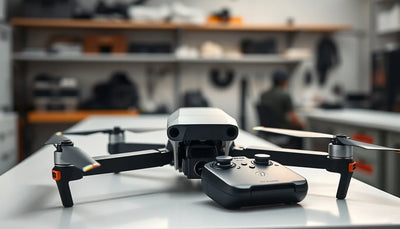
DJI Mini 4K Drone Price Hits Record Low – Impact on Buyers
The DJI Mini series 4K UHD model has dropped to an all-time low price, turning a budget purchase into a serious aerial tool. We analyze what this means for new buyers, fleet operators, and the pre-owned DJI drone market.

DJI’s entry-level Mini drone equipped with a 4K UHD camera has reached a new low price, a development that blurs the line between casual spending and serious aerial production. According to coverage by Kotaku, the price drop effectively turns what would be earbud-level money into the foundation of a capable drone setup. For commercial UAV analysts and fleet operators, this event signals more than a temporary sale. It reshapes the calculus for new buyers, pre-owned inventory valuation, and repair service demand across the Mini product line.
As of late July 2026, the record low pricing represents a strategic pricing move from DJI or a response to market saturation at the sub‑250g tier. While the exact dollar figure varies by region, the core message is consistent: the barrier to entry for a stabilized 4K aerial platform has never been lower. This article examines the news from a commercial lens, focusing on what it means for drone buyers, fleet managers, repair shops, and the second‑hand market for DJI hardware.
What the record low price means for the product line
The DJI Mini series has long been the entry point for pilots seeking portable, sub‑250g performance without sacrificing video quality. The 4K UHD variant, in particular, offered a step up from earlier 2.7K models while maintaining the compact foldable design. The new price point, described as a record low according to the Kotaku report, effectively repositions the Mini 4K as an impulse purchase for content creators and a low‑risk entry for small business operators who need occasional aerial footage.
DJI buying context
Match product news to hardware you can actually deploy.
Check inspected DJI aircraft, repair support, and trade-in timing before deciding whether to upgrade, repair, or wait.

From a product lifecycle standpoint, a sustained price cut of this magnitude often indicates inventory clearance ahead of a refresh, increased competition in the lightweight drone segment, or a deliberate move to capture first‑time users who will later upgrade to higher‑margin models. For fleet operators evaluating expansion, the pricing invites a re‑examination of total cost of ownership. At this new low, the Mini 4K may compete with used units from older generations, potentially compressing pre‑owned values across the Mini ecosystem.
It is important to note that no official DJI statement accompanies the Kotaku report. The coverage attributes the record low to retail channel activity rather than a manufacturer‑announced permanent reduction. This distinction matters because temporary pricing can create short‑term buying windows but does not guarantee future availability at the same level.
What this means for drone buyers
For someone evaluating their first drone purchase or adding a lightweight backup unit to a fleet, the current price makes the Mini 4K one of the strongest value propositions in the market. The combination of 4K UHD video, three‑axis mechanical stabilization, and sub‑250g weight (avoiding many registration requirements in key markets) means the drone can serve as a daily tool for real estate photography, event coverage, or farm monitoring without a significant capital outlay.
However, buyers should consider the total ecosystem cost. Accessories such as additional batteries, ND filters, and a charging hub can add 30–40% to the initial investment. The low body price may also influence trade‑in decisions: if you own an older Mini model, now might be the time to explore a drone trade‑in while new unit pricing is favorable and pre‑owned demand for older models remains soft.
Fleet managers should run a cost‑benefit analysis comparing the Mini 4K against the Mini 3 Pro or even the Mini 4 Pro. The latter models offer obstacle sensing and advanced intelligent flight modes, but the Mini 4K at its new low may allow deploying multiple units for the cost of one premium model. For tasks requiring simple overhead shots and 4K output, the price gap widens the operational viability of a multi‑unit fleet.
Implications for the pre‑owned DJI market and repair services
Whenever a new product hits a historic low, the pre‑owned market adjusts. Sellers of used Mini drones—especially prior model years without the full 4K UHD capability—will face downward pricing pressure. Buyers on the second‑hand market now have a stronger reference point: why pay $X for a used Mini 2 when a new Mini 4K costs only slightly more? This dynamic typically depresses resale values for predecessor models and accelerates trade‑in activity.
For those already operating pre‑owned DJI drones, the record low price may reduce the appeal of selling privately. Instead, holding the unit and using it as a secondary aircraft becomes more rational. Repair services, meanwhile, could see a slight uptick in demand as operators decide to fix minor issues rather than replace units that are still functionally adequate. Professional DJI repair services that use genuine OEM parts become especially relevant when a full replacement is no longer the only affordable route.
Parts availability for the Mini 4K is another consideration. As the drone gains market share due to its new price, the installed base grows, which typically improves spare‑part supply and lowers per‑unit repair costs over time. Shops that stock OEM‑pulled parts for DJI Mini variants may find increased demand for gimbal assemblies, camera modules, and shell components from this specific model.
Long‑term market trends and operator strategy
The record low price of the DJI Mini 4K fits a broader pattern in the consumer drone market: rapid feature equalization at lower price points. Two years ago, 4K UHD with mechanical stabilization was a mid‑tier offering. Today it is entry‑level. This compression pushes fleet operators to rethink asset lifecycles. A drone that was a three‑year investment now feels like a rapidly depreciating consumer electronic. Planning for shorter replacement cycles becomes more important, and financing or lease models may gain traction.
On the operator side, the low price encourages more frequent refreshes. A fleet manager might replace Mini‑class drones every 18–24 months rather than 3–4 years, recouping value through trade‑in programs. The secondary market, in turn, absorbs these lightly used units, creating a tiered ecosystem where pre‑owned DJI drones at inspected condition fill the gap for budget‑conscious buyers who still want genuine hardware.
Regulatory factors also influence strategy. The sub‑250g classification exempts the Mini 4K from certain registration and training requirements in many jurisdictions (check local rules). This regulatory advantage, combined with the new price, makes the drone a low‑friction choice for pilots who fly across borders or need to deploy quickly without paperwork delays.
The Kotaku report is, at its core, a consumer news item. But for the commercial UAV analyst, it maps to real decisions about procurement, fleet composition, and inventory timing. Whether you are adding a single unit or planning a ten‑drone rollout, the price floor has reset. The smart move is to act on this window while supply lasts and factor the new baseline into your long‑term cost calculations.
FAQ
Should I buy the new DJI Mini 4K at this record low price?
If you need a lightweight, 4K‑capable drone and the absence of omnidirectional obstacle avoidance does not limit your mission, this price creates a strong value. Buy now if you have immediate projects. If you can wait, consider whether a potential Mini 5 or a Mini 4 Pro price drop is on the horizon, but no official launch info exists.
How does this affect the value of my pre‑owned Mini drone?
Expect depreciation to accelerate for earlier Mini models without 4K UHD, especially if the record low price persists. If you plan to sell or trade in, timing is critical. Explore a drone trade‑in program while new prices are low to maximize your return before secondary market prices adjust downward.
Is this price drop a sign that DJI is about to release a new Mini model?
It could be. Deep discounts often accompany inventory clearance ahead of a new generation. However, the Kotaku report attributes the price to retail channels rather than an official DJI sale. Until DJI announces a successor, treat this as a buying opportunity rather than a confirmation of a pending launch.
Sources consulted
Additional official documentation was not available at publication time.
Reboot Hub Editorial adds buyer, repair, resale, and operational analysis for drone owners. If you spot an error, contact us for correction review through our editorial policy.