DJI Dock Powers Australia’s BVLOS Expansion in Mining and Agriculture
DJI’s dock technology is enabling broad-area BVLOS flights across Australian mining and agriculture sites, signaling new opportunities and considerations for fleet operators, repair customers, and the pre-owned DJI market.

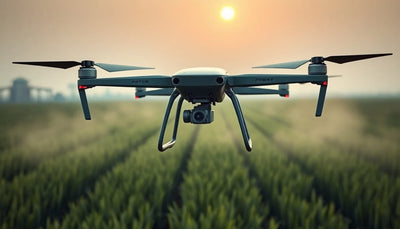
A new deployment of DJI’s dock technology is helping drive the expansion of beyond visual line of sight (BVLOS) drone operations across Australia’s mining and agriculture sectors. According to a report on Yahoo Finance, the DJI Dock is being used to enable broad-area BVLOS flights, allowing operators to cover larger territories with fewer human resources. For fleet operators, repair customers, and those tracking the pre-owned DJI market, this rollout signals a shift in how commercial drones are deployed, maintained, and valued.
Australia has long been a testing ground for BVLOS operations due to its vast distances, relatively clear airspace, and progressive regulatory environment. The integration of DJI Dock into this landscape is notable because it moves beyond pilot demonstrations into real-world commercial use. The report highlights mining and agriculture as the primary beneficiaries, two industries where repetitive, wide-area surveying and monitoring are essential. For anyone involved in drone procurement or fleet management, understanding what this deployment means operationally and economically is now more relevant than ever.
Scale and scope of the Australian BVLOS rollout
According to the source, the DJI Dock is powering a broad-area BVLOS rollout. While exact numbers of docks or operational hours are not provided, the fact that the deployment is described as a rollout rather than a single trial suggests multiple units are now active in the field. Mining and agriculture are listed as the primary use cases, which aligns with DJI’s previous marketing of the Dock for remote, automated inspection and data collection.
DJI buying context
Match product news to hardware you can actually deploy.
Check inspected DJI aircraft, repair support, and trade-in timing before deciding whether to upgrade, repair, or wait.

The practical implication for operators is significant. BVLOS approval in Australia typically requires rigorous safety case submissions, airspace integration, and reliable communications. The DJI Dock, with its ability to provide a physical base for automated charging, data offload, and remote command, addresses several of these requirements in one hardware package. For a miner who needs to survey a pit every two hours or a farmer who monitors crop health weekly, the dock reduces the need for a pilot on site and enables consistent, repeatable flights.
Operational implications for fleet managers
Fleet managers who oversee multiple drone assets will see the largest near-term impact from this rollout. When BVLOS operations become practical at scale, the entire flight operation model changes. Instead of one pilot per flight, a single remote operator can supervise multiple dock-based units. The source does not specify exact ranges or flight radii, but the concept of wide-area coverage implies that each dock station can serve a substantial operating zone.
This shift raises questions about fleet composition. For example, an operator currently running five Matrice 300s with separate pilots and ground crews might find that two dock-based Matrice 350s can cover the same area with fewer people and less logistics. That directly affects decisions about acquiring new equipment versus trading in existing drones. Our drone trade-in guide is one resource that can help operators evaluate the financial trade-offs of upgrading to dock-compatible platforms.
Another operational consideration is maintenance frequency. Docks are designed for remote, low-touch environments, but they still require periodic visits for cleaning, firmware updates, and part replacement. Fleet managers should factor in service intervals for dock units themselves, as well as for the drones they house. The availability of professional DJI repair services becomes more critical when equipment is stationed in remote Australian sites rather than in a central hangar.
What this means for drone buyers
Reboot Hub analysis: For anyone considering a new or pre-owned drone purchase, the Australian BVLOS rollout signals a growing ecosystem that values automation and remote operability. Drones that are compatible with dock-based workflows — such as the DJI Matrice 350 and Matrice 30 series — are likely to retain stronger resale value because they can be deployed in these higher-efficiency operations. Conversely, older models that lack dock compatibility or do not support robust remote command may see faster depreciation as fleet operators upgrade.
Buyers in the pre-owned market should pay close attention to which models are being used in these BVLOS deployments. A drone that has only been used in manual, line-of-sight operations may be perfectly serviceable, but its resale potential could be lower if the industry standard shifts toward dock automation. Our selection of pre-owned DJI drones includes models that fit both traditional and dock-based operations, helping buyers choose according to their long-term plans.
For repair customers, the implication is that docks will drive demand for component-level repairs rather than full unit replacements. When a drone is housed in a dock, it may accrue less physical damage from transport and handling, but it will still require regular battery replacements, gimbal servicing, and sensor cleaning. Operators who invest in dock systems should also secure a supply of OEM-pulled parts for the specific drone model in use. Genuine spare parts will be essential for keeping turnaround times short, especially when the drone is stationed far from a repair center.
Supply chain and repair considerations
The Australian rollout also underscores the importance of a reliable spare parts pipeline. Mining and agriculture sites are often in remote areas where shipping a drone back to a central repair depot can take weeks. Fleet operators using docks will need to stock critical consumables locally — batteries, propellers, air filters, and gimbal cables — to minimize downtime. The source does not specify how DJI is supporting this rollout logistically, but any operator planning to adopt dock-based BVLOS should build a maintenance kit tailored to the specific drone model.
Another repair consideration is the dock unit itself. While docks are generally robust, they contain charging contacts, environmental seals, and data relays that can fail. Fleet managers should plan for occasional dock maintenance as part of their overall operational budget. The availability of trained technicians who can service both the drone and the dock will become a differentiating factor for operators looking to maintain high uptime.
From a market perspective, the increased use of docks may also influence the supply of used drones. As operators upgrade to dock-compatible models, they will likely trade in or sell off older equipment. That influx of pre-owned drones could be an opportunity for buyers on a tighter budget, provided they understand the limitations of those older models in a dock-centric future. Our team tracks these trends to help match buyers with the right equipment for their use case.
Is the DJI Dock currently available for purchase in Australia?
The source indicates that the DJI Dock is being used in a broad-area BVLOS rollout, which implies commercial availability. However, specific purchasing details, pricing, and distribution channels are not mentioned in the report. Interested operators should contact authorized DJI enterprise partners in Australia for current availability and regulatory guidance.
How does BVLOS approval affect the resale value of used DJI drones?
Drones that are certified or commonly used in BVLOS operations tend to hold value better because they are part of a growing automation market. Conversely, manually operated-only models may depreciate faster as fleet operators shift toward dock-compatible fleets. Buyers of pre-owned DJI drones should verify whether a model supports dock operation and remote command features before making a purchase.
What should an operator do to prepare their fleet for dock-based BVLOS?
Operators should first assess whether their current drone models are compatible with DJI Dock, then plan for local spare parts stockpiling and remote maintenance scheduling. Investing in a drone trade-in or upgrade may be necessary to align with dock workflows. Additionally, building a relationship with a professional DJI repair service that can handle both drones and dock hardware will reduce operational risk.
Sources consulted
Additional official documentation was not available at publication time.
Reboot Hub Editorial adds buyer, repair, resale, and operational analysis for drone owners. If you spot an error, contact us for correction review through our editorial policy.