DJI 4K Drone Hits Record Low Price: What Buyers Should Know
A popular DJI 4K drone has dropped to its lowest price ever. We analyze what this means for new buyers, fleet operators, the second-hand market, and repair compatibility decisions.

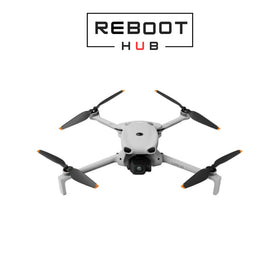
A leading DJI consumer drone known for its 4K camera capability has reached its lowest recorded retail price, according to a prominent tech deal tracker. The price drop presents a clear entry point for new buyers but also carries implications for fleet operators, the second-hand market, and repair strategy. This signal deserves a measured look beyond the immediate discount.

What this means for drone buyers
For a buyer in the market for their first or next camera drone, this price point removes a significant financial barrier. The source news calls it the "lowest price we've seen" on this specific DJI model, which typically suggests a promotional campaign or retailer competition rather than a permanent price cut. Buyers should act if the purchase fits their mission, but temper expectations that this is a new normal.
When you see a record low on a new consumer drone, the question immediately shifts to total cost of ownership. A new drone at a low price is appealing, but the buyer must still plan for spare batteries, propellers, a memory card, and possibly a controller charger. These accessories can add 15-25% to the effective spend. Comparing the all-in cost of a new unit against a certified refurbished drone that already includes a warranty and tested components is a practical step.
For the commercial pilot considering this drone as a secondary or entry-level aircraft, the price drop makes the unit viable for tasks that do not require a heavier lift or enterprise sensor. However, if your operation demands IP rating, extended temperature range, or high-wind landing capability, this consumer model is not a substitute for an enterprise tool like the DJI Dock 3, which the verified product database lists with an operating temperature range of -30 to 50 degrees Celsius and an IP56 rating. Understanding where the consumer drone fits versus where it does not is critical.
Compatibility and repair considerations
A low price on a current DJI consumer model is good news for repair customers and fleet managers who maintain older versions of the same generation. When a model hits promotional pricing, it often means the manufacturer is clearing inventory ahead of a successor or shifting supply chain focus. This has two effects on repair.
DJI buying guide
Match the news to a drone you can actually deploy.
Browse inspected DJI aircraft, genuine-part repair support, and OEM spares before deciding whether to upgrade, repair, or wait.
First, OEM spare parts for the current model may remain available longer because the production line is still active. The verified product database shows that DJI supports enterprise products like the DJI Dock 3, which has a maximum input power of 800 W and a landing wind speed tolerance of 12 m/s, but consumer model parts track their own lifecycle. Buyers of a deeply discounted consumer drone should confirm that the aircraft and its remote controller use the same battery and charger platform as the rest of their fleet, if they already own DJI gear.
Second, if a fleet operator standardizes on one consumer generation, the low price can be a chance to buy a spare unit for parts or for rapid deployment. This is a common strategy among light-commercial operators who need redundancy without enterprise pricing. If you choose this route, verify that the controller is compatible with your existing aircraft firmware, and be ready to source OEM spare parts from a reliable supplier before the model phases out.
Second-hand market implications
A record low on a new model immediately depresses the resale value of used units in that same generation. Owners who bought at full retail price are now competing against a new product at a lower price point, which compresses the second-hand market. For sellers, the message is clear: if you have not listed your used drone yet, your timing window has narrowed. For buyers, the used market may offer even better value if you are willing to accept cosmetic wear and no manufacturer warranty.
However, the used market also brings risk. A second-hand drone purchased outside the retail channel may have undisclosed flight hours, battery degradation, or internal corrosion. A certified refurbished unit, while priced higher than a private sale, includes factory testing and a warranty. Buyers weighing a used purchase against the record low new price should factor in the cost of a professional inspection or battery replacement, which can erase the savings.
For stock-sector watchers, this price signal may indicate that DJI is managing inventory ahead of a product refresh, which could affect used supply volumes in the next quarter. Fleet operators should consider whether their current fleet value is dropping and if a low-priced new unit is worth the depreciation compared to a longer-life enterprise model.
What pilots and buyers should do next
If you are in the market for a 4K-capable DJI drone, the record low price is a valid opportunity, but only if the aircraft fits your use case. Do not buy on price alone. Run a simple compatibility check: does your current ground station support this model? Are spare batteries in stock? Do you need a professional-grade drone for commercial work, or is this a personal creative tool? The answer determines whether the discount is a smart buy or an unnecessary expense.
For fleet managers, the low price may justify purchasing an extra unit for redundancy or training, but do not divert budget from critical spare parts or professional repair services. Maintaining aircraft in flight-ready condition matters more than adding another unit to the hangar. For repair customers, now is the time to stock common spare parts like props and arms for this generation before availability shifts.
Finally, for those who need enterprise-grade reliability, the DJI Dock 3 specs from the verified database — including a maximum operating altitude of 4500 meters and dimensions of 1760 by 745 by 485 millimeters when open — illustrate the gap between consumer and commercial hardware. A discounted consumer drone cannot fill an enterprise mission requirement. Know your mission before you click purchase.
Will the price drop affect the availability of spare parts for this DJI model?
Typically, spare parts remain available for the lifecycle of the generation. However, once a model reaches deep promotional pricing, it often signals an upcoming transition. Stock up on commonly needed OEM spare parts while they are still in active production.
Should I buy a used version of this drone instead of the new low price?
A used unit may cost less, but you assume risk regarding battery health, flight hours, and hidden damage. Compare the total cost of a used unit plus potential repairs against the new low price. A certified refurbished drone offers a middle ground with tested condition and a warranty.
Can I use this consumer drone for commercial inspection work?
It depends on the inspection requirements. The consumer model lacks the environmental sealing, landing wind tolerance, and payload capacity of enterprise drones like the DJI Dock 3. For low-altitude visual inspections in calm conditions, it may suffice. For demanding commercial workflows, an enterprise platform is the correct choice.
From Reboot Hub
Match the news to a drone you can actually deploy.
Browse inspected DJI aircraft, genuine-part repair support, and OEM spares before deciding whether to upgrade, repair, or wait.
Certified DJI drones
Inspected pre-owned aircraft with warranty coverage and clear condition grading.
Browse inventory ->Genuine-part repair
Diagnostics, repair planning, and component replacement for working DJI fleets.
Book a repair ->OEM spare parts
Batteries, propellers, gimbals, and essential DJI components for faster recovery.
Shop parts ->