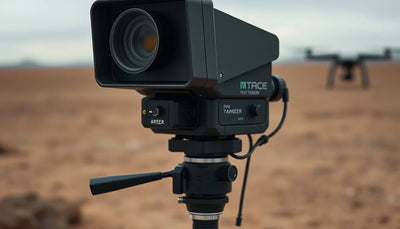
Defense Startups Raid Auto and Fracking Parts to Speed Drone Production
Defense startups are repurposing automotive chips and fracking pipes to deliver weapons faster at lower cost. This supply-chain shift signals potential changes in component availability and pricing for commercial drone operators and buyers.

Defense tech startups are taking a pragmatic approach to weapons production by raiding the automotive and fracking industries for off-the-shelf parts. According to a recent report by Defense News, these companies are using automotive-grade microchips and pipes originally designed for hydraulic fracturing to build military equipment faster and at lower cost. While the immediate focus is on defense hardware, the strategy carries clear implications for the commercial drone market—especially for buyers, fleet operators, and anyone relying on a stable supply of components.
The core insight is straightforward: when traditional military procurement pathways are slow and expensive, innovators turn to high-volume, cost-competitive markets. Automotive chips are built in massive quantities and are already hardened for vibration and temperature extremes. Fracking pipes are designed to handle high pressure and corrosion. Repurposing them for defense applications shortens development cycles and reduces material costs. For drone operators, this signals a broader trend of cross-industry component sharing that could reshape how drones are built, repaired, and sold in the secondary market.
The sourcing shift in defense manufacturing
The report highlights that startups like those in the defense tech space are deliberately avoiding custom military-grade parts. Instead, they are selecting automotive microcontrollers, sensors, and power management chips that meet most operational requirements at a fraction of the cost. Similarly, high-strength pipes from the fracking sector are being used as structural components in launchers and support systems. This approach not only speeds up production but also reduces dependency on specialized supply chains that are often slow to respond.
Fleet readiness
Keep DJI hardware available without overbuying new units.
Use defense and fleet news as a planning signal for repair support, inspected pre-owned aircraft, and replacement timing.

For the drone industry, the lesson is about flexibility. Many enterprise drones already use commercial-grade electronics, but the trend toward automotive parts could further blur the line between consumer, commercial, and defense components. If defense startups can successfully field weapons using these parts, the same reliability standards may soon apply to drones used in critical infrastructure inspection, agriculture, and public safety. Fleet operators should watch for increased availability of components that are already proven in high-stress automotive environments, potentially lowering repair costs and lead times.
However, there is a risk. If defense demand for automotive chips surges, drone manufacturers could face competition for the same parts. This may pressure prices upward or delay production, especially for drones that rely on those specific microcontrollers. The situation is reminiscent of the semiconductor shortages that affected the drone market in previous years, but now with a new buyer entering the arena.
What this means for drone buyers
For anyone purchasing drones—whether new or pre-owned—the immediate implication is that component availability may become less predictable. If defense startups consume a growing share of automotive-grade chips and pipes, the cost of manufacturing new drones could rise. As a result, new drone prices might increase or remain high, making pre-owned DJI drones an increasingly attractive option for budget-conscious operators.
Buyers who delay a purchase may face higher costs or longer wait times for new units. On the other hand, those who act now can secure equipment before potential supply-chain tightness affects pricing. The secondary market for used drones often reflects these dynamics quickly, as fleet operators upgrade or downsize based on new-equipment availability. If new drone supply becomes constrained, pristine pre-owned units could appreciate in value relative to new ones.
Additionally, the defense trend underscores the value of maintaining existing drones through professional repair. Instead of replacing a drone when a component fails, operators can keep it in service by sourcing OEM-pulled parts or using professional DJI repair services. This extends the life of the fleet and reduces exposure to new-equipment price fluctuations.
One practical step for buyers is to evaluate their current fleet age and condition. If components common to automotive and drone applications—like IMUs, ESC controllers, or camera processors—become scarcer, repairing older drones may become more challenging. Having a drone trade-in guide on hand can help operators decide whether to sell older models now and buy pre-owned or new units before supply tightens.
Supply chain lessons for fleet operators
Fleet operators managing multiple drones for enterprise work—construction, mapping, agriculture, or public safety—should take note of the defense startups’ approach. The key lesson is redundancy in supply. Relying on a single source for components or finished drones is risky. By maintaining a mix of new, pre-owned, and repaired equipment, operators can buffer against market disruptions.
The article mentions that startups are using off-the-shelf parts to bypass traditional procurement delays. Commercial drone operators can adopt a similar mindset: keep spare parts in stock, maintain relationships with multiple repair vendors, and consider pre-owned drones as a flexible fleet expansion tool. Pre-owned units often come from earlier production runs when components were more readily available, potentially making them easier to repair with readily available OEM spare parts.
Moreover, the trend toward automotive-grade parts could eventually make drones more standardized. If drone manufacturers follow the defense lead and adopt more common components, repair technicians may find it easier to diagnose and fix issues without waiting for specialty parts. This would reduce downtime and maintenance costs—an advantage for any fleet operator.
But operators must also prepare for the opposite scenario: if defense demand spikes, common parts could become scarce. Fleet managers should assess their dependency on specific component types and consider building a small buffer inventory of critical spare parts. Professional repair services can advise on which parts are most at risk and help prioritize maintenance schedules.
The second-hand drone market amid component shifts
The second-hand drone market is often an early indicator of supply-chain stress. When new drone production is constrained, prices for pre-owned units tend to firm. Conversely, if defense startups drive innovation that lowers production costs long term, new drone prices could eventually drop, putting downward pressure on used values. But the near-term picture, based on the Defense News report, points to increased demand for automotive chips and pipes, which may keep new drone costs elevated.
For sellers of used drones, this is an opportunity. If operators believe new drones will become more expensive or harder to get, they may hold onto their used units or even buy additional pre-owned stock. This could tighten supply in the second-hand market, pushing prices higher. Buyers looking for value should act decisively when they see high-quality pre-owned DJI drones available, as the window of favorable pricing may narrow.
Repair services also play a critical role in this ecosystem. When replacing an entire drone is too costly, operators turn to professional repairs to extend the life of their existing fleet. The availability of genuine OEM spare parts becomes paramount. If new component production shifts to serve defense demand, repairers may need to rely on OEM-pulled parts salvaged from retired or trade-in drones. This circular economy aligns with the defense trend of using existing parts to reduce costs and speed delivery.
Overall, the second-hand market benefits from any scenario that makes new drones less accessible or more expensive. The defense startup story reinforces the value of a strong pre-owned segment, where inspected and certified pre-owned drones offer a cost-effective alternative to new models without sacrificing reliability.
How might this affect the availability of drone spare parts?
If defense startups increase their consumption of automotive-grade chips and pipes that are also used in drones, the supply of those components could tighten. Drone spare parts that rely on common microcontrollers might become harder to source, leading to longer repair times or higher prices for genuine OEM parts. Operators should consider stocking critical spares and using professional repair services that have access to OEM-pulled components.
Should I buy a pre-owned drone now or wait for new models?
Given the potential for new drone prices to rise due to component competition, buying a pre-owned drone now could be a wise move. Pre-owned DJI drones are inspected and often come with seller warranties, offering reliable performance at a lower cost. Waiting for new models may expose you to price increases or delays. If your operation needs a drone soon, consider the pre-owned market as a timely and cost-effective solution.
What repair strategy should I follow given these supply chain trends?
Proactive maintenance is key. Schedule regular inspections and address minor issues before they become major failures. Use professional DJI repair services that use genuine OEM parts to ensure longevity. If part availability becomes uncertain, consider purchasing a backup pre-owned drone to cover downtime. A trade-in can help you upgrade older equipment without losing value, keeping your fleet current and reliable.
Sources consulted
- Defense News - primary source
Additional official documentation was not available at publication time.
Reboot Hub Editorial adds buyer, repair, resale, and operational analysis for drone owners. If you spot an error, contact us for correction review through our editorial policy.